Traffic Rules Analysis: Determining Fault at an Intersection.

Analyzing the Intersection Incident
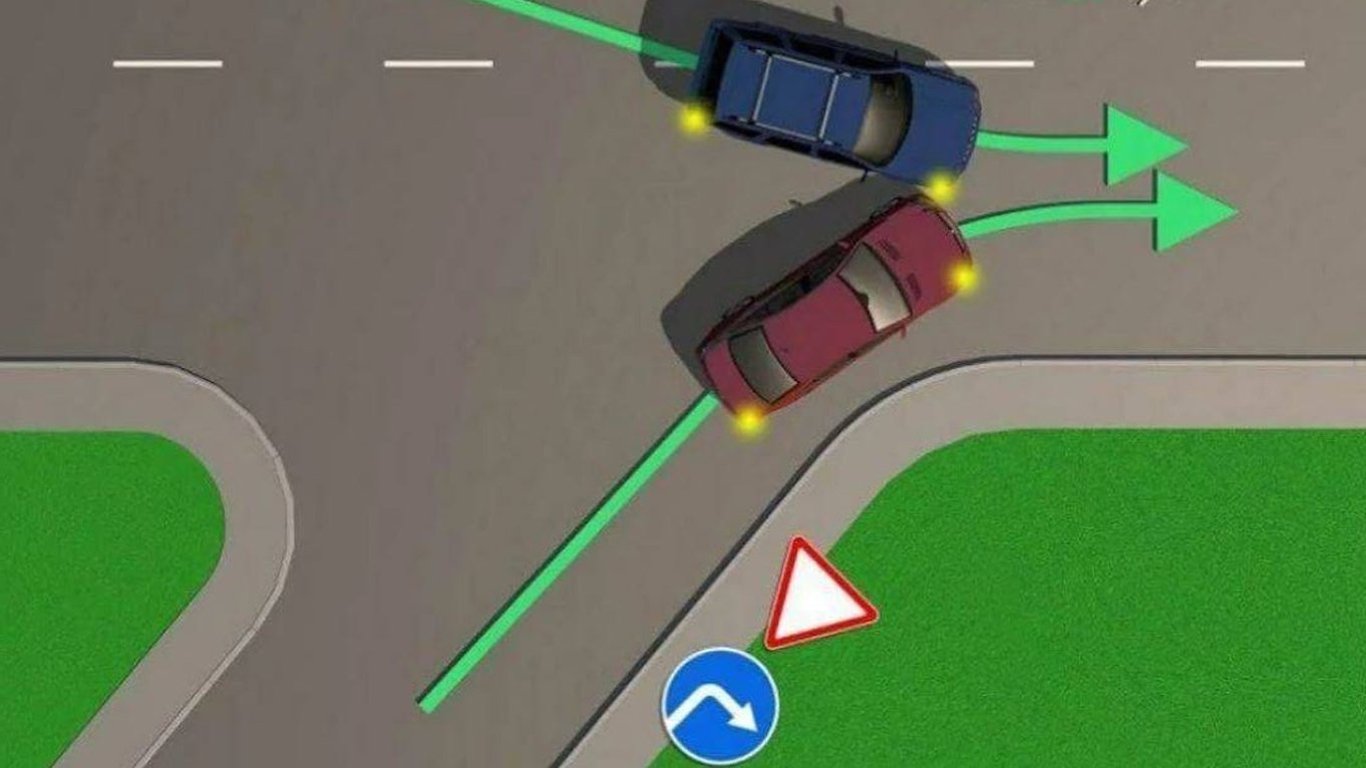
According to Novyny.live: A situation at an intersection involving roads of different priority has sparked debate over traffic violations. The driver of a red car, traveling in its lane, made a right turn while exiting a secondary road, as indicated by the 'Give Way' sign (2.1). Simultaneously, the driver of a blue car was changing lanes into the red car's path.
According to Rule 10.3 of the Traffic Code, a driver changing lanes must yield to vehicles traveling in the same direction. However, Rule 16.11 states that a driver from a secondary road is obligated to yield to vehicles on the main road. This type of scenario is a common point of confusion for drivers worldwide. Therefore, in this specific case, the driver of the red car is at fault for failing to yield while exiting the secondary road.
The Critical Need to Follow Traffic Regulations
This discussion, initiated by the channel Exist.ua, provides drivers an opportunity to better understand traffic rules. The various answers to the question of who violated the rules—the driver of the red or blue car—indicate that the correct answer is the driver of the red car.
This incident underscores the vital importance of adhering to traffic laws, especially at intersections where vehicles from different priority roads interact. Proper understanding and compliance with the rules can prevent accidents and ensure road safety. Drivers should be particularly attentive during maneuvers like lane changes and exiting minor roads to avoid dangerous conflicts.
Read also
- Five Wounded in Overnight Kharkiv Strike, Including Elderly Women
- Over a Dozen Streets in Kharkiv’s Industrialnyi District to Lose Power on June 13
- Odesa Under Nighttime Drone Strike: Two Residential Buildings Hit
- Storms, Hail, and 20 m/s Gusts: Weather Forecast for June 10
- Russian Strike on Zaporizhzhia: 2 Dead, 33 Wounded Including 8 Children
- Nearly 40 Strikes Hit Dnipropetrovsk Region, Leaving Seven Injured