The Welsh Government Changes Rules for Collecting Council Tax Debts: What This Means.

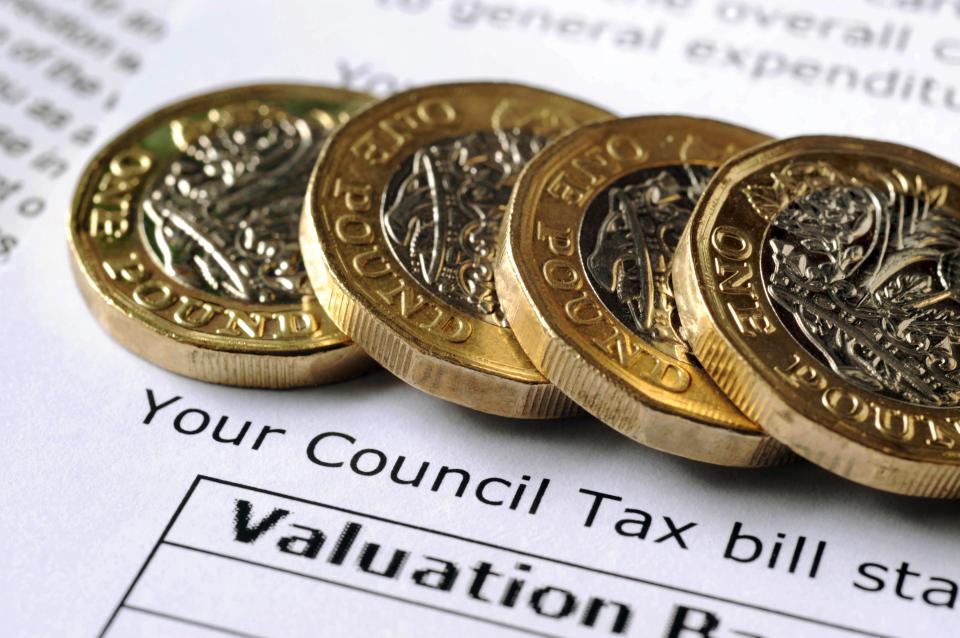
According to The Sun: Millions of households facing financial difficulties will benefit from the new changes to the council tax system.
From now on, households across Wales will have more time to settle their council tax debts following new rules announced by the Welsh Government.
AlamyFamilies are now given 63 days to resolve their debts before enforcement action begins.
Previously, if you missed a monthly payment, you could be forced to pay the full annual amount within three weeks.
If this is not done, within six weeks the case could be taken to court, leading to additional costs and enforcement actions.
Organizations including Martin Lewis and the Money Advice Trust have actively campaigned against this practice, describing it as 'harsh, aggressive, and destructive'.
The new rules will come into effect next April.
Officials stated that the reforms will also introduce clearer rules for reminders and final notices. This will prevent a rapid escalation of debt while allowing councils to take action against households that deliberately avoid payments.
These changes are the result of consultations that received over 250 responses from councils, advisory organizations, and the public.
The majority expressed support for extending the minimum period before enforcement action begins.
The government noted that these proposals will help households in difficulty, preventing them from falling into 'destructive cycles of increasing debt.'
What is Happening in Other Parts of the UK?
Similar council tax collection practices are also in place in England.
Scotland has its own council tax collection rules, while Northern Ireland is implementing a completely different system.
The UK Government launched a similar consultation on council tax in May, but the results are currently unknown.
This consultation included proposals for changes to the methods of collecting tax debts.
According to the plans, councils should wait longer before demanding full payment of bills, and charges incurred by debtors through related orders will be capped.
Finance Secretary Mark Drakeford stated:
'We support councils in preventing the rapid growth of council tax debt by giving households more time to recover from unexpected difficulties, verify their entitlement to support, and return to a normal rhythm.'
Consumer expert Martin Lewis also noted:
'Council tax debt collection is the harshest, most aggressive, and destructive form of debt collection.'
More Potential Changes to Council Tax
The UK Government consultation also considered whether to spread council tax payments over a longer period.
Currently, council tax is paid over ten months. Officials are considering the possibility of extending this period to twelve months to help households manage their finances better.
Separately, it is reported that the government plans to replace the council tax system with a new local property tax.
The Chancellor is also examining plans for a levy on homes worth over £500,000, as reported by The Guardian.
These changes could lead to the creation of a new local levy that replaces council tax, based on property values from the 1990s.
Officials from the Treasury stated that tax reform is currently under consideration, but no decisions have been made yet.
Read also
- Deadline June 30: How to Use Your $1,000 Winter Support Payment for Gas Bills Before It Expires
- Fuel Crisis Worsens in Russia: Gasoline Output Drops by a Quarter
- Conditions and Deadlines for Ukrainians to Opt Out of Centralized Heating
- Starting July 1, 2026, Ukraine Mandates New Fuel Standards: What Drivers Need to Know
- Putin Acknowledges Russia's Fuel Crisis: Long Lines at Gas Stations and Disappearing Gasoline
- Business Electricity Prices Set to Surge 22%: What It Means for Store Costs