India's Sharp Cut in Russian Oil Imports: A Consequence of EU Pressure on the Kremlin.

India's Reduced Imports of Russian Oil
According to UATV: India has significantly reduced its imports of Russian oil, cutting its daily purchases from 1.8 million barrels to 1.3 million barrels. This shift comes amid concerted pressure from the European Union on Russia's oil sector. Notably, India is now sourcing crude from 41 different countries, indicating a strategic diversification of its energy supply. This move is part of a broader global realignment as nations adjust their energy policies in response to geopolitical tensions.
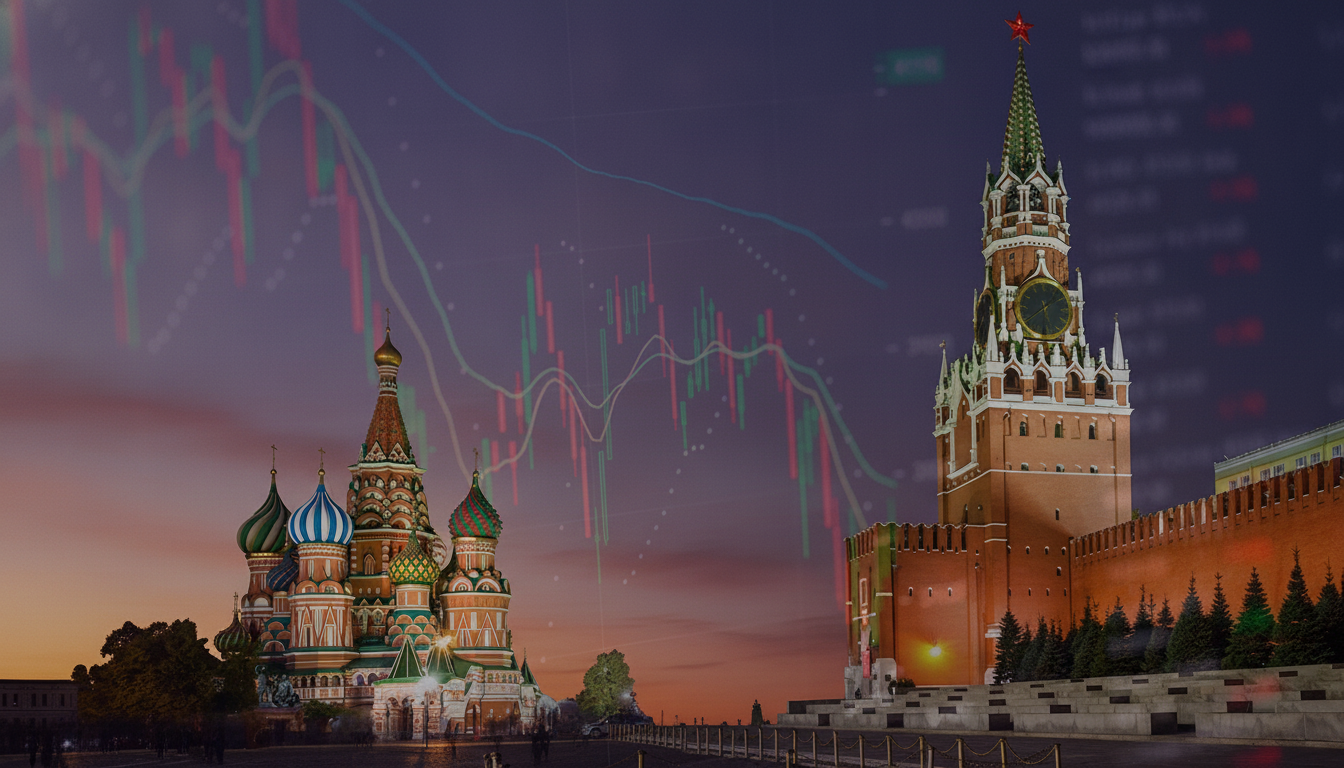
Approximately 140 million barrels of Russian oil are currently stored on tankers at sea. This growing stockpile suggests that demand for Russian crude in other regions may be waning. A key driver of this situation is the EU's active stance, having implemented 20 sanction packages against Russia. Specifically, 14 EU member states have issued warnings to tankers in the Baltic and North Seas about potential restrictions, complicating Russia's export logistics.
France's Role and Ukraine's Response
France has contributed to this pressure by detaining the Grinch, a tanker belonging to Russia's shadow fleet. According to Hardeep Puri, India's reduced purchases are a response to changing market conditions. Bloomberg also reports that the drop in Indian imports has led to a sharp increase in the number of idling tankers. The global oil shipping market is experiencing significant disruption as a result of these sanctions and shifting trade patterns.
Meanwhile, EU officials continue to emphasize the importance of strict sanction enforcement.
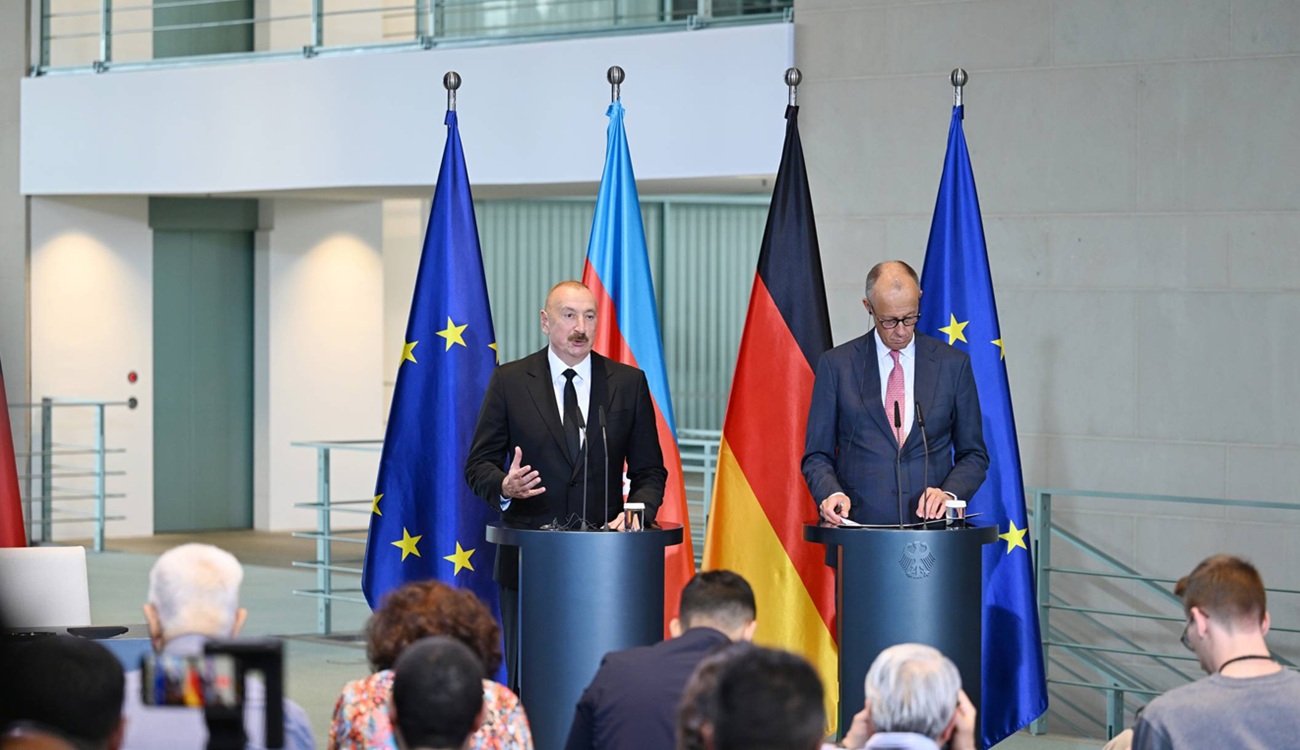
"We continue to apply the measures at full force," stated Paula Pinho.Ukrainian President Volodymyr Zelenskyy expressed hope for more decisive action from European nations, saying,
"We are now receiving good signals from Europe about Europeans' readiness to more actively pressure the aggressor."In a sign of internal strain, the Russian oil company Lukoil has reportedly sought support from the central government in Moscow, highlighting the difficulties facing Russia's oil sector as key importers like India reduce their reliance.
India's decision to cut Russian oil imports signals a potential shift in global energy markets, as countries adapt to the new reality of sanctions against Russia. This could lead to a further reduction in Russia's oil export revenues, with serious consequences for its economy. Furthermore, India's active search for alternative suppliers from a wider pool of nations may reshape the structure of the global energy market in the future.
Read also
- Fedorov Dismissed as Defense Minister: Tensions with Syrskyi Behind the Decision
- Ukraine Overhauls Military Leadership: New Army Chief and Chief of General Staff Appointed by Zelenskyy
- European Allies Caught Off Guard by Ukraine’s Military Leadership Shake-Up
- Ukraine Ready for 'Peace with Dignity,' Zelenskyy Says: What We Know About the Talks
- U.S. Media Hails Drapatyi’s Appointment: What Ukrainian Troops Are Saying
- Ukraine’s Military Leadership Shake-Up: Drapaty Takes Over Armed Forces, Skybyuk Leads General Staff