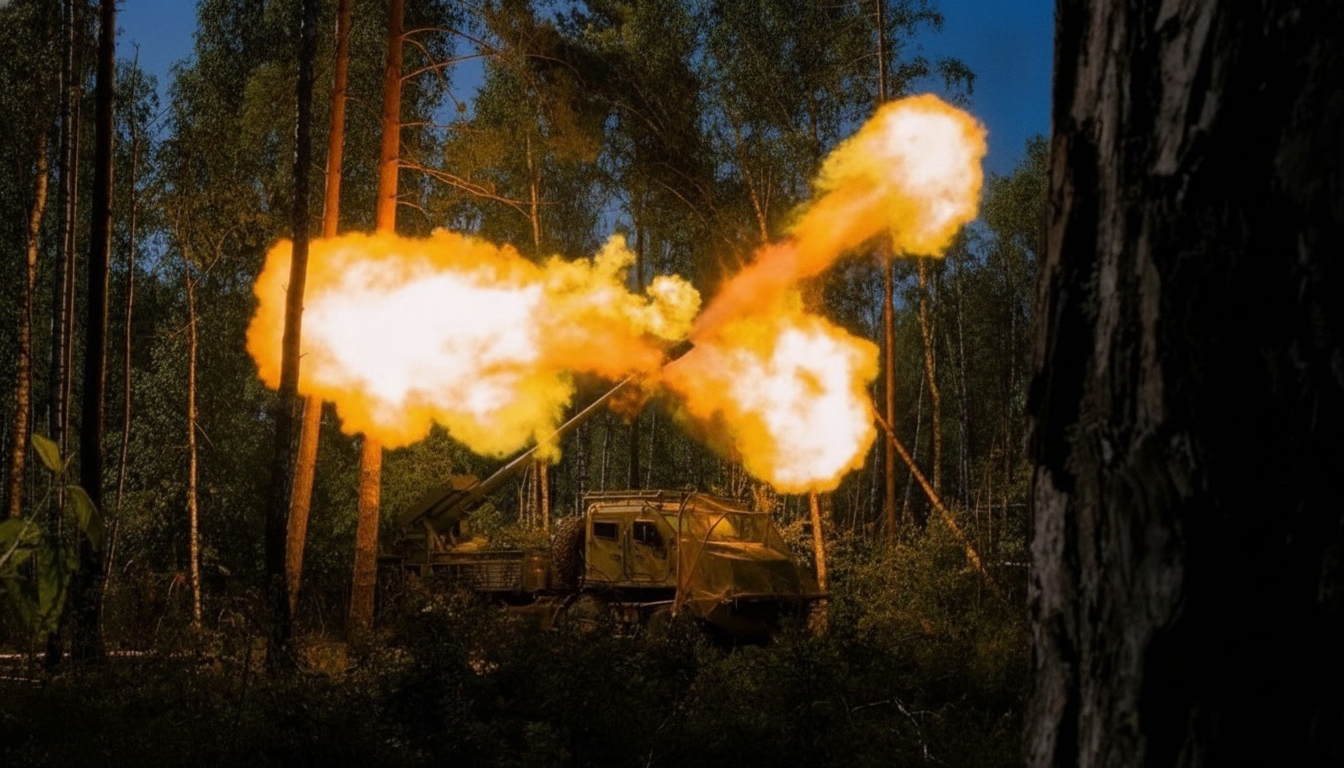
The Black Sea: How Ukraine Is Rewriting the Rules of War at Sea with Drones.

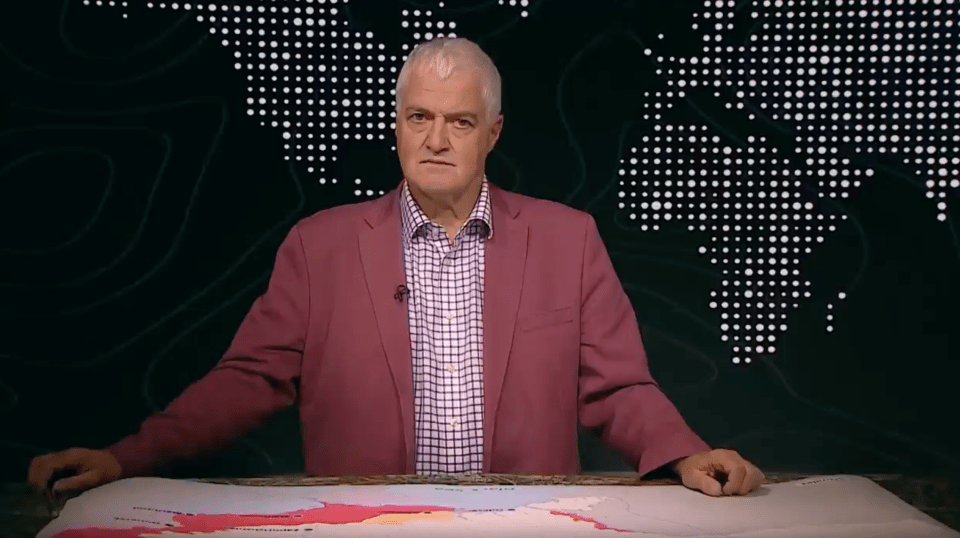
According to The Sun: A critical maritime point can determine the fate of Ukraine as Vladimir Putin and Kyiv's rapidly changing tactics constantly alter the course of the war.
In a new episode of Battle Plans Exposed by The Sun, former intelligence officer Philip Ingram analyzes the diminishing naval power of Russia and explores Ukraine's technological strategies.
Ingram explains the 'cat-and-mouse game' unfolding in the Black Sea The episode shows how Kyiv’s military drones are hunting Putin’s warships in open waters, forcing the Russian fleet into humiliating retreats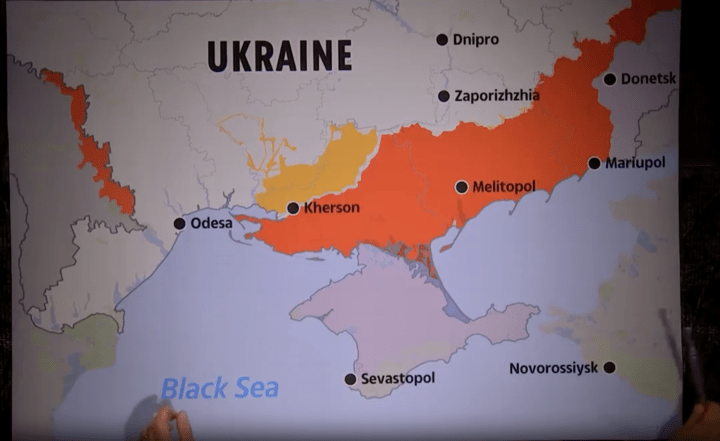 The map shows territories occupied by Russia in red, Crimea in purple, and key ports - from Odesa to Sevastopol - now at the center of the naval war
 East2West
Key Moments in the Battle for the Black Sea
Ingram emphasizes the importance of the battle for the Black Sea in the context of the war.
Despite Russia controlling about two-thirds of Ukraine’s access to the Black Sea, Kyiv demonstrates resilience in maintaining its naval presence.
The Black Sea is a 'vital artery' for Ukraine’s exports, while Moscow views the area as a launchpad for projecting power into the Mediterranean.
“Control of the Black Sea means control of critical trade and energy corridors,” he states.
The 'cat-and-mouse struggle' includes battles for Snake Island as well as drone strikes on key enemy warships.
“This is a high-stakes game, and every move is crucial,” Ingram adds.
The specialist also notes that the Russian Black Sea fleet has been forced to retreat from its main port in Sevastopol due to continuous attacks by Ukrainian drones.
Putin has been compelled to move his vessels to the port of Novorossiysk and to occupied areas of Georgia.
“Before the invasion of Ukraine, the Russian Black Sea fleet had about 74 warships, including surface combatants and submarines,” notes Ingram.
“By March 2024, the fleet was reported to be effectively inactive due to significant losses of vessels.”
To land an additional blow to the pride of the Russian fleet, Moscow was also struck by Ukrainian 'Neptune' missiles, which Ingram calls a 'turning point.'
However, Russia has managed to adapt by using naval drones for the first time.
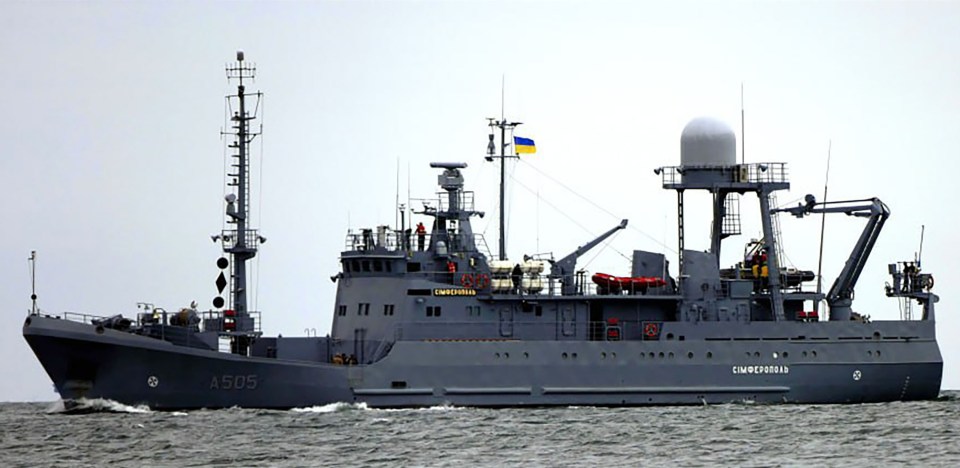
Last month, Moscow sank the reconnaissance vessel 'Simferopol', killing two people aboard in the Danube delta, near Ukraine's western coastline.
“This war is a constantly evolving game of cat-and-mouse, with both sides learning and adapting their combat plans at lightning speed,” Ingram asserts.
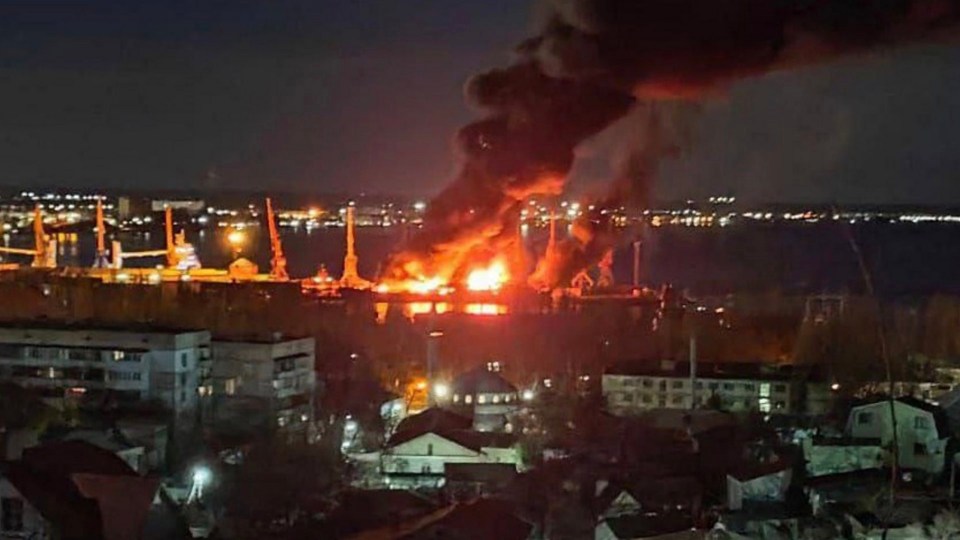
Russia confirmed that one of its military ships was damaged in a Ukrainian attack on a Black Sea port in 2023
 Ukrainian military intelligence used a drone to strike the Russian military ship Buyan-M, armed with deadly Kalibr missiles in the Sea of Azov
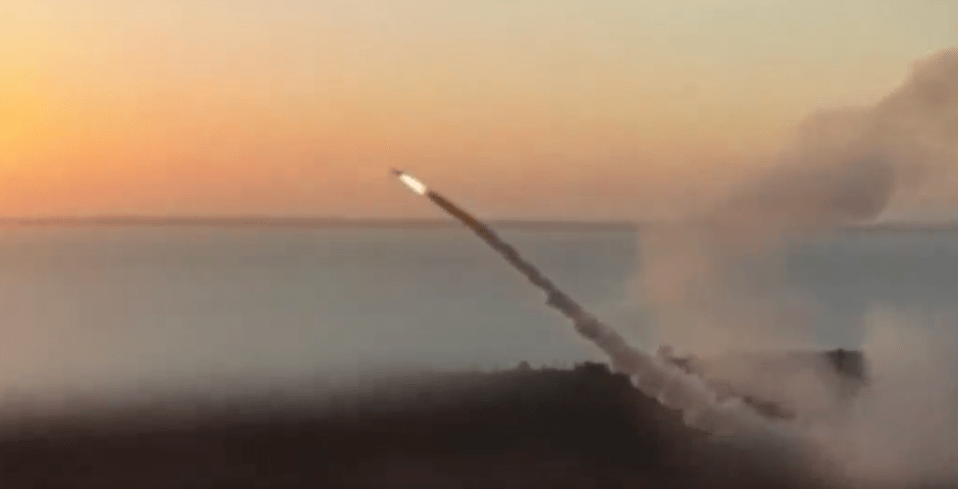 Ukrainian missiles destroy the military ship Askold in Kerch, Crimea
Ingram also discusses the growth of Ukraine's domestic arsenal. The 'Neptune' missile has been adapted into a long-range strike variant.
It is capable of hitting targets up to 1000 km away, striking command points and ammunition depots deep behind enemy lines.
Additionally, the 'Flamingo' has been unveiled - a cruise missile that had remained under wraps until recently.
With a stunning claimed range of 3000 km and a powerful warhead, it has already appeared in combat footage.
If its range is confirmed, Ingram believes that the 'Flamingo' could become Ukraine's most significant indigenous weapon in the war and, unlike Western technology, it is fully under Ukraine's control.
But a true revolution is happening on the water, emphasizes Ingram.
Ukraine's patrol and reconnaissance vessel Simferopol was hit by a sea droneEast2West
The Security Service of Ukraine released unknown footage from the special forces assault on Snake Island
The geopolitical expert explains how Kyiv has created a fleet not made of steel hulls, but of silicon chips and explosives.
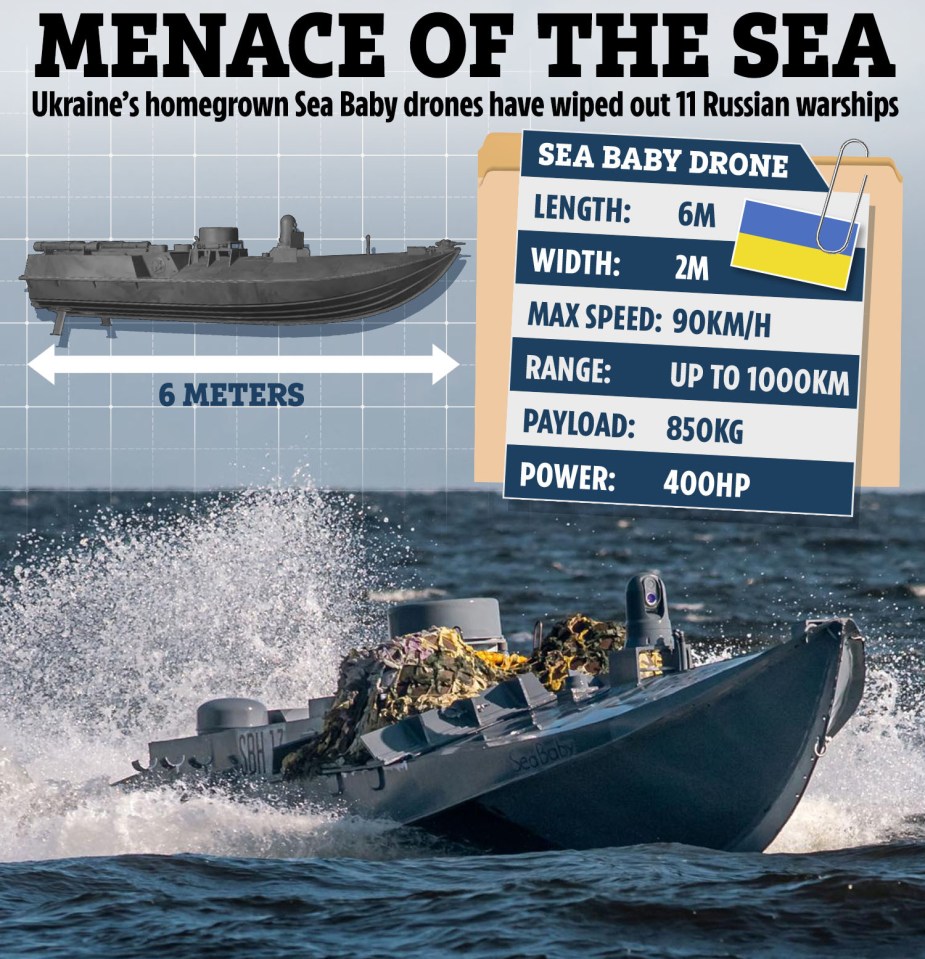
Sea Baby, a heavy drone ship, can carry a warhead weighing 850 kg, sufficient to destroy bridges and sink military vessels in port.
Its smaller, faster sibling, Magura V5, is a silent killer of the Black Sea, designed to attack Russian vessels in swarms.
Together, these drones 'have sunk or damaged over a third of Putin's fleet,' forcing his warships to hide in remote ports, once brimming with confidence.
The episode also examines why the battle for the sea is so important, while also providing insight into the war for the skies.
“The battle for the sea is a shadow war and innovative brutal retribution,” Ingram underscores, pointing out that its outcome could define Ukraine’s fate.
Loss of control over the Black Sea would give Russia “full control over ungoverned parts of the coastline.”
The expert also warns that losing access to the sea would complicate Ukraine’s reconnaissance operations, impeding their efforts to push Russia back.
If Putin wins the war in Ukraine, experts warn that it will have terrible consequences for the rest of Europe and the West, with Vladimir emboldened to pursue his crazy dream of a new Russian empire.
The episode showcases Flamingo in action - Kyiv's most powerful indigenous missile threatening Putin's strongholds far behind the front lines
 Ukrainian drones target a Russian patrol ship in the Black Sea - a pinpoint strike that left the vessel in flames, and the crew destroyed
The latest episode comes after Poland called on NATO to activate Article 4 - one of the response mechanisms to threats - following Russia's 'intentional' nighttime drone attack.
After Ukrainians struck a Russian spy ship in the Black Sea again, Donald Trump and European nations called for active measures against Putin after NATO shot down Russian drones over Polish airspace.
Polish Prime Minister Donald Tusk reported that 19 Russian drones brazenly crossed the border during the attack on western Ukraine.
He also noted that around four drones were shot down by NATO fighters - from Poland, Italy, the Netherlands, the USA - and seven were detected on the ground.
This was the first direct confrontation between NATO and Russia since the start of the war - this aggression is seen as a test of the West's resolve.
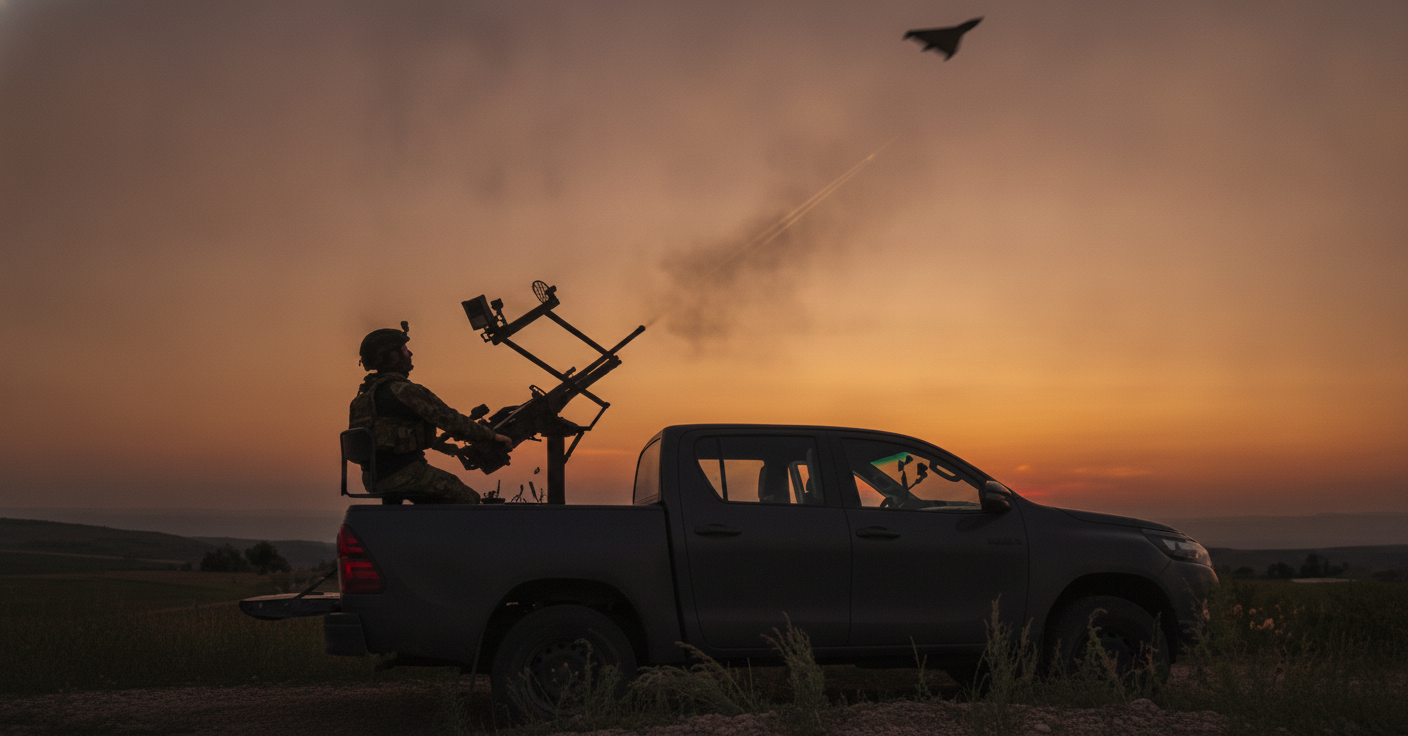
During numerous incidents, NATO has actively responded to Russian drone attacks but had never before entered into open conflict with them.
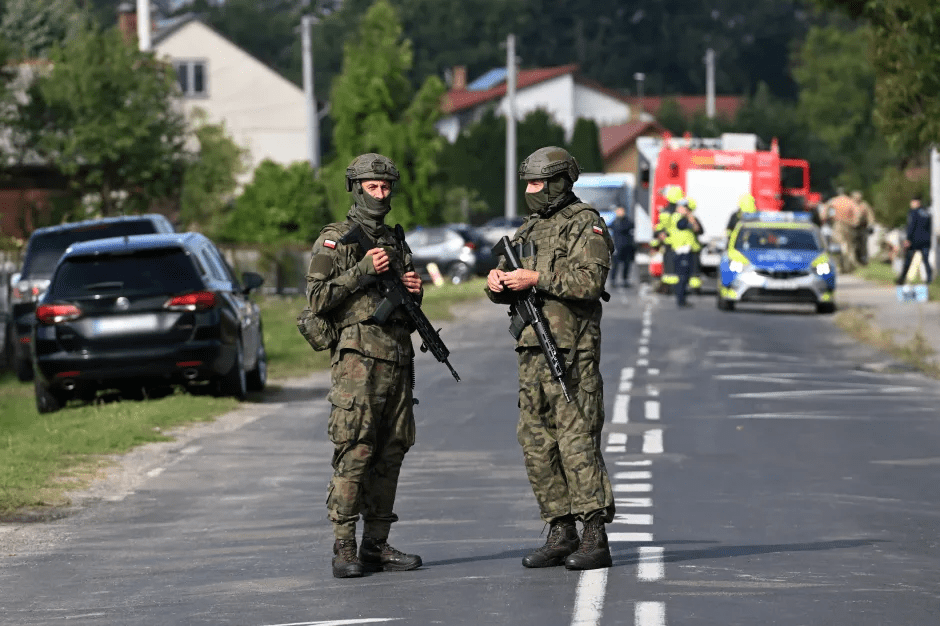
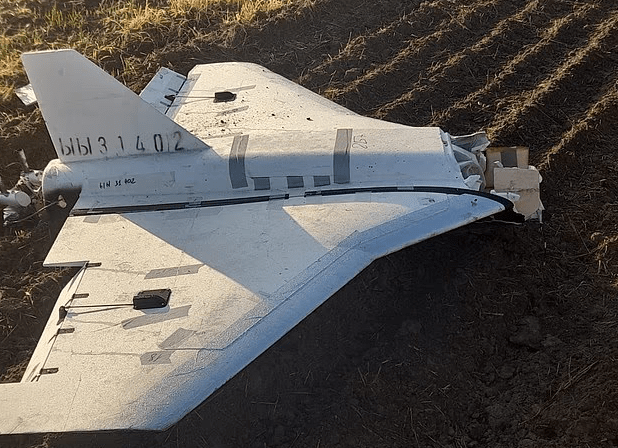 One of the drones likely crashed in Poland
Ukraine must maintain control over the Black Sea as it is a strategic artery for its economy and security. At the same time, Russia's actions in the region raise concerns due to the likelihood of further escalation of the conflict. Episodes of drone attacks and NATO's reaction demonstrate how difficult it is to stay afloat in this tense geopolitical context. Ukraine must adapt its strategy to fight not only for its territory but also for control over key maritime routes that could determine the outcome of the war.
One of the drones likely crashed in Poland
Ukraine must maintain control over the Black Sea as it is a strategic artery for its economy and security. At the same time, Russia's actions in the region raise concerns due to the likelihood of further escalation of the conflict. Episodes of drone attacks and NATO's reaction demonstrate how difficult it is to stay afloat in this tense geopolitical context. Ukraine must adapt its strategy to fight not only for its territory but also for control over key maritime routes that could determine the outcome of the war. Read also
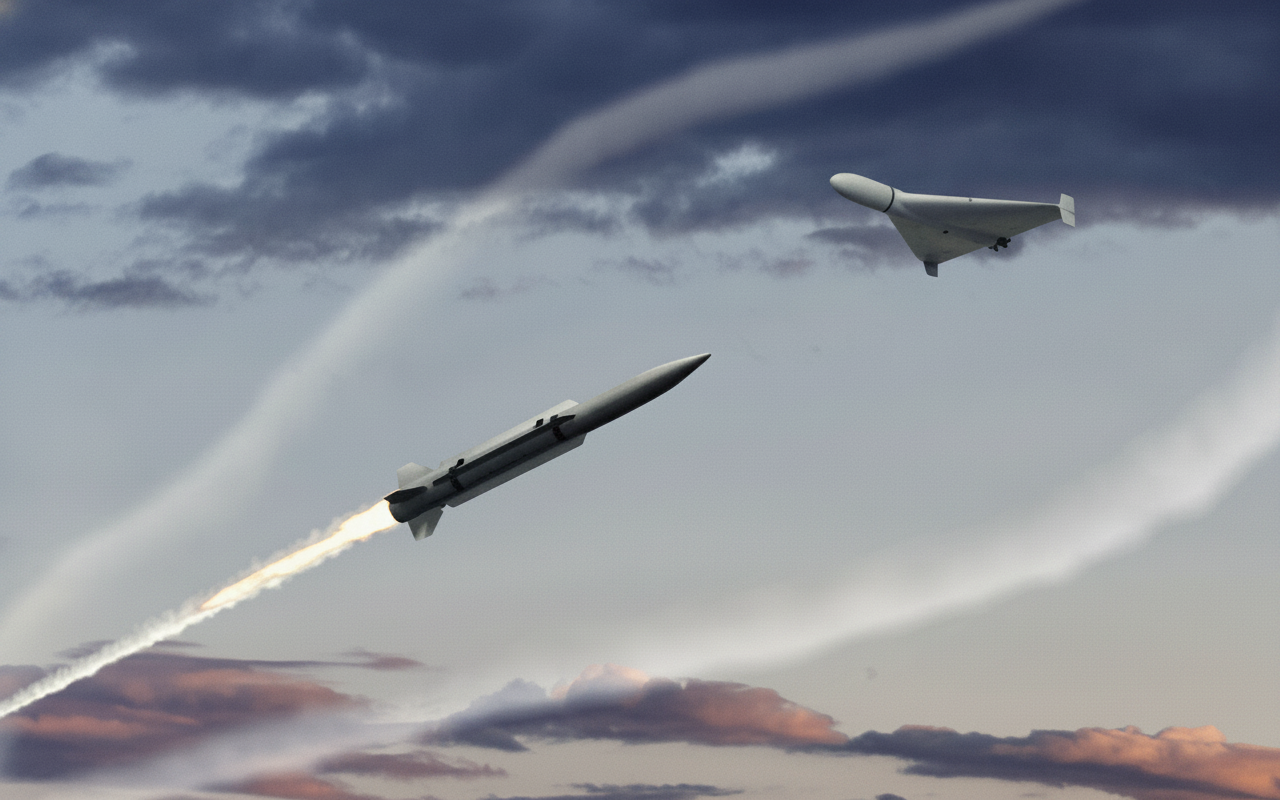
- Russia Deploys New Jet-Powered Drones Capable of Reaching 500 km/h
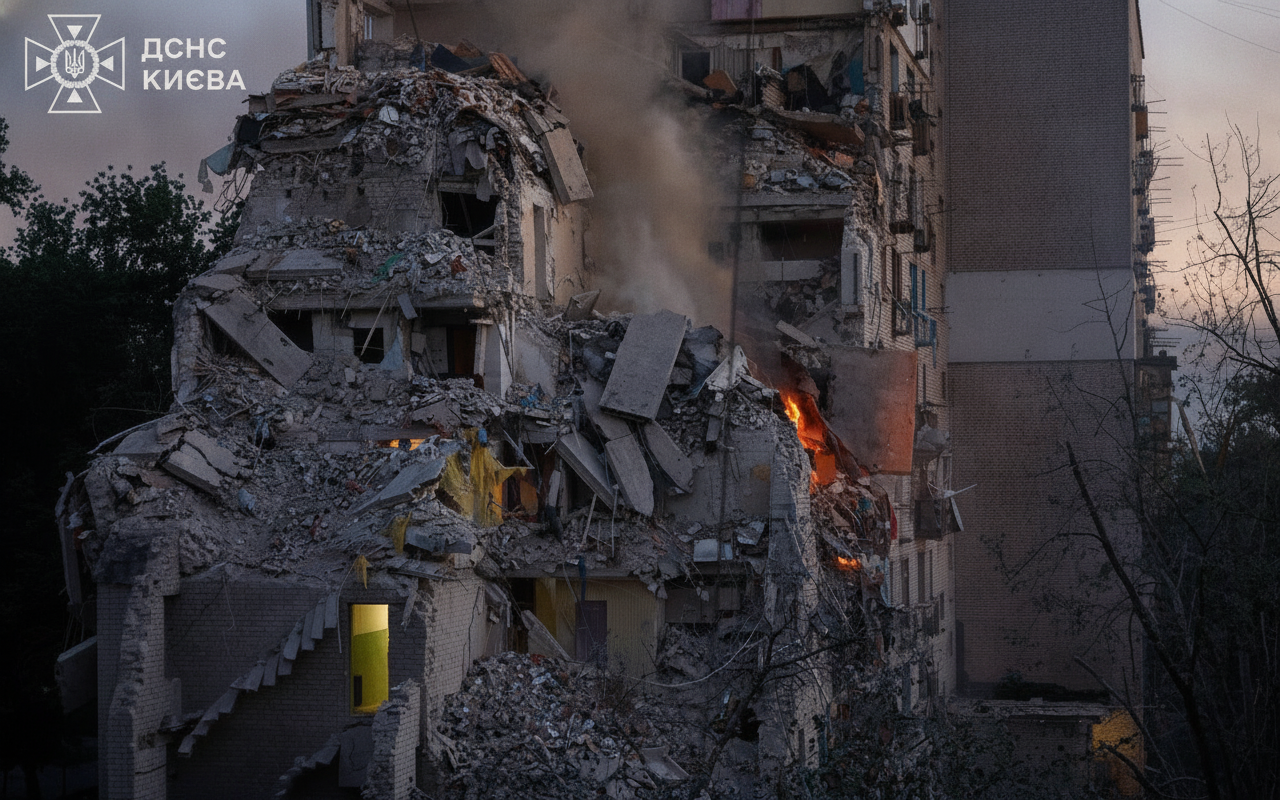
- EU Ambassador Details Aftermath of Devastating July 2 Strike on Kyiv
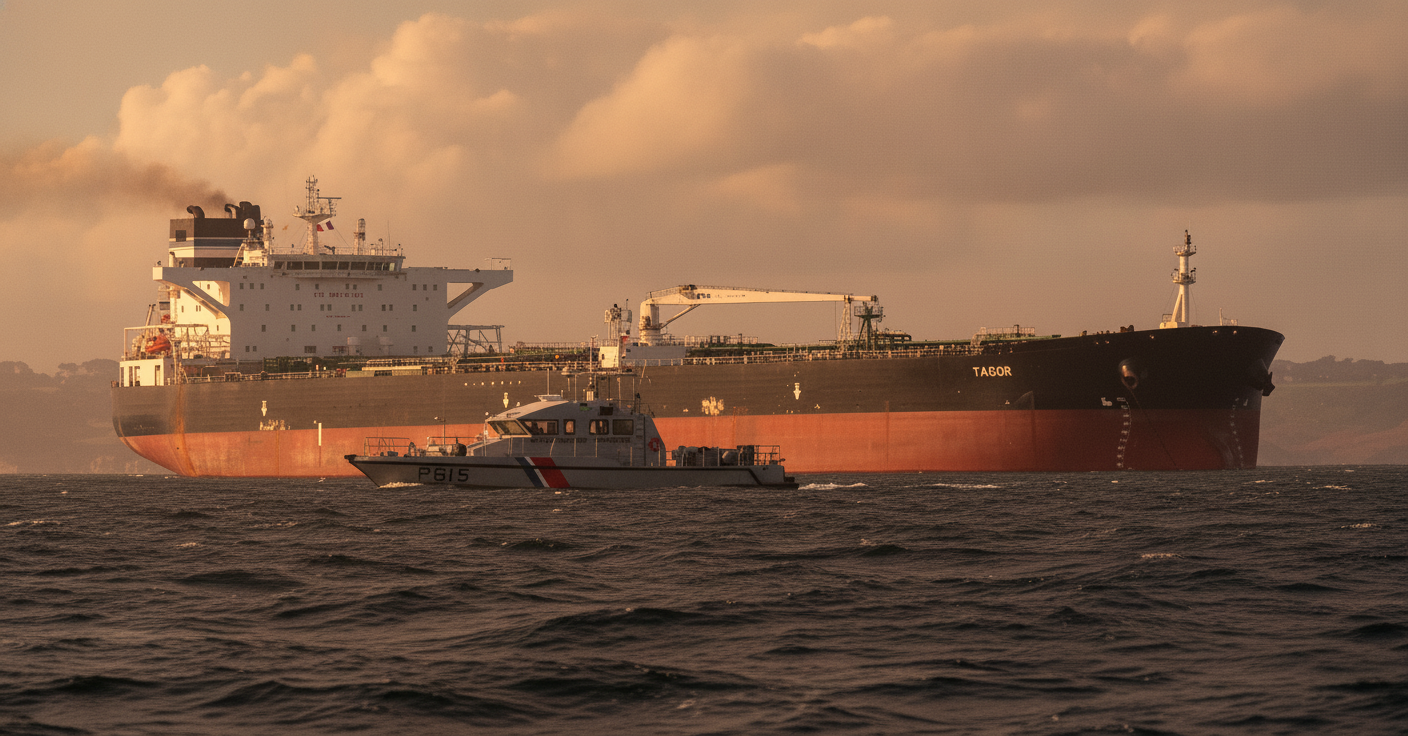
- French Court Fines Tanker Owner €1 Million for Violating International Sanctions
- Ukraine’s General Staff Rejects Russian False Claims of Bus Attack: Key Details
- Russia Is 'Running Out of Steam': Expert Explains Drop in Missile Strikes
- Russian Offensive Slows to 50 Meters Per Day as Moscow Loses Ground