Iran Signals Readiness for Both Talks and Warfare in Response to U.S. Blockade.

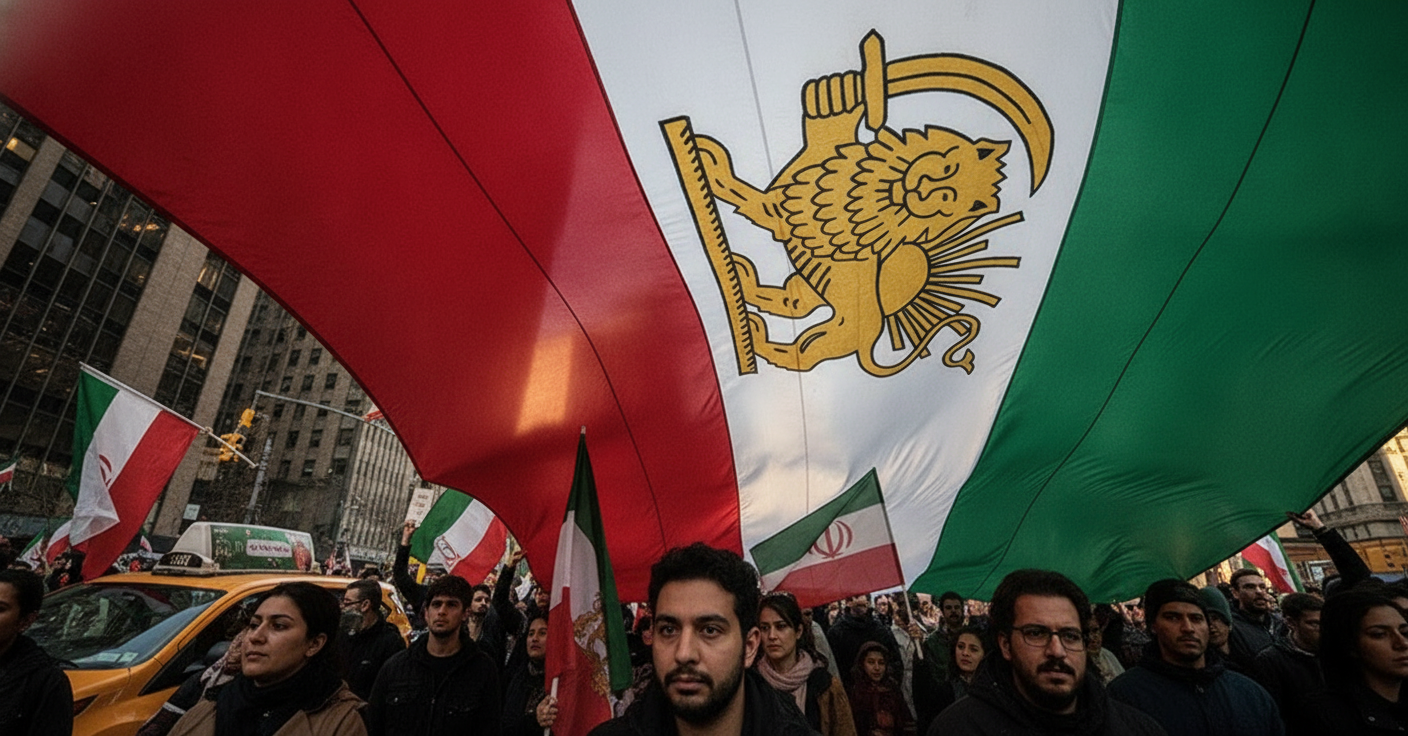
Rising Tensions Between Iran and Israel
According to Espreso.tv: As Israel launched strikes on Iranian territory, Tehran has declared itself prepared for diplomatic negotiations while also being ready to counter a potential U.S. blockade of the Strait of Hormuz. In the midst of escalating hostilities, Mohammad Bagher Kalibaf, Iran’s chief negotiator, made the following statement:
“We are not going to simply fight, nor simply negotiate; rather, we will fight in our spare time and negotiate in our spare time.” - Mohammad Bagher Kalibaf
This remark underscores Iran’s stance amid a complex international standoff.
Regional Developments
On June 8, Israel carried out strikes on military targets inside Iran, following an attack on Tehran the previous day, June 7. Meanwhile, on May 16, the U.S. State Department announced a 45-day extension of the ceasefire between Israel and Lebanon, even though hostilities in the region persist. Notably, on May 28, the Israel Defense Forces conducted a strike in a suburb of Beirut.
In response to the deteriorating situation, Iran warned on June 1 that peaceful negotiations with the United States were no longer viable, signaling the seriousness of its approach to the conflict. Additionally, on June 2, Donald Trump referred to Benjamin Netanyahu as “crazy,” further highlighting strained relations between key players.
Kalibaf emphasized:
“Our goal is an end to the war and stable security, and we have no trust in the opposing side.” - Mohammad Bagher Kalibaf
These words reflect the conflict’s intricate dynamics and Iran’s pursuit of regional stability. The situation remains tense, and the next moves by all parties could significantly shape the course of events.
The growing friction between Iran and Israel, coupled with U.S. involvement in regional security matters, underscores the geopolitical complexity of the Middle East. While Iran continues to express openness to talks, its deep mistrust of the United States and Israel may hinder any peace efforts. At the same time, Israel’s aggressive military actions point to an ongoing active strategy, raising the risk of further escalation.
Read also
- American Blogger Laura Loomer Admits She Fell for Russian Disinformation
- How China Gains From US-Israeli Strikes on Iran
- Trump Approves Nuclear Deal with Saudi Arabia, Allowing Enrichment Without IAEA Oversight
- Pentagon Requests $67 Billion More as US War Costs Against Iran Hit $37.5 Billion
- Iran Faces Infrastructure Bombing Under New US Strategy Announced by Trump for Strait of Hormuz Attacks
- Ukraine’s Air Defense Gets a Boost: New Interceptor Missiles for Patriot Systems Discussed with NATO