EU's Kallas Warns: Russia Gains More from Talks Than Combat.

EU Expresses Deep Concern Over Ukraine
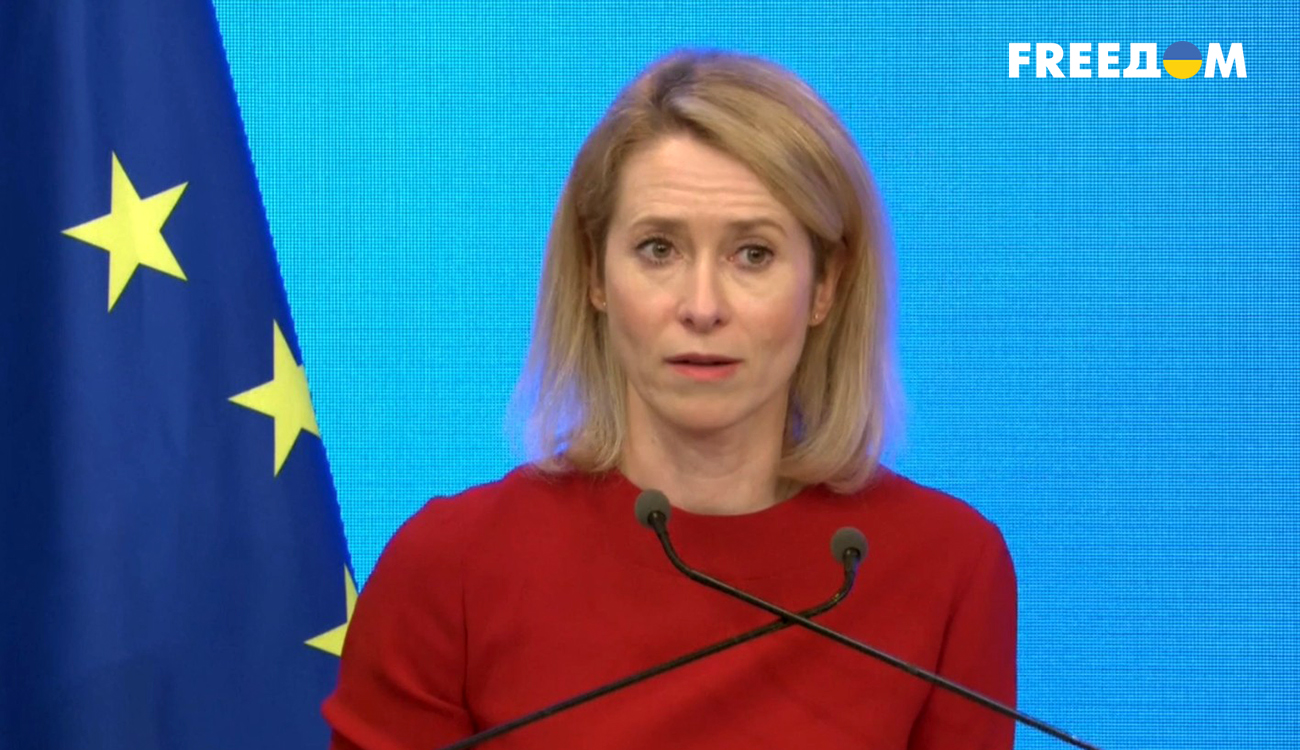
According to UATV: At an EU ambassadors' conference in Brussels on March 9, the EU's High Representative for Foreign Affairs and Security Policy, Kaja Kallas, voiced serious alarm regarding the situation in Ukraine. She warned that Russia is currently deriving greater advantage from negotiation tables and cognitive warfare than from the battlefield, a dynamic she described as a direct threat to the European Union. Her remarks underscore the complex, multi-domain nature of the ongoing conflict.
Kallas stressed that Russia's maximalist demands cannot be met with a minimalist response, framing this as simple common sense.
“The greatest threat Russia poses now is that it gains more from the negotiation table and in the course of cognitive warfare than on the battlefield,”— Kaja Kallas. These comments were made against the backdrop of massive Russian strikes on Ukraine on March 7, highlighting the acute severity of the current moment.
Assessing Russia's Stance and the EU's Response
Kallas further observed a grim outlook, stating,
“The grim reality is that there is no sign Russia wants to end the war,”— Kaja Kallas. This assessment raises profound concerns about the conflict's potential trajectory and its consequences for European security. Her pointed remarks emphasize the critical need for the EU to take more decisive action in response to Russian aggression and to formulate a clear, unified policy towards Moscow.
Kallas's conference statements reflect the European Union's escalating apprehension over Russia's actions in Ukraine and the pressing requirement for a more robust and proactive response to regional challenges. As the war continues, it is imperative for EU member states to consistently coordinate and refine their strategic approaches to relations with Moscow to prevent further escalation.
These developments highlight that, while military support remains crucial, sustained and vigilant diplomatic efforts must stay at the forefront of the agenda to ensure long-term stability in Europe.
Read also
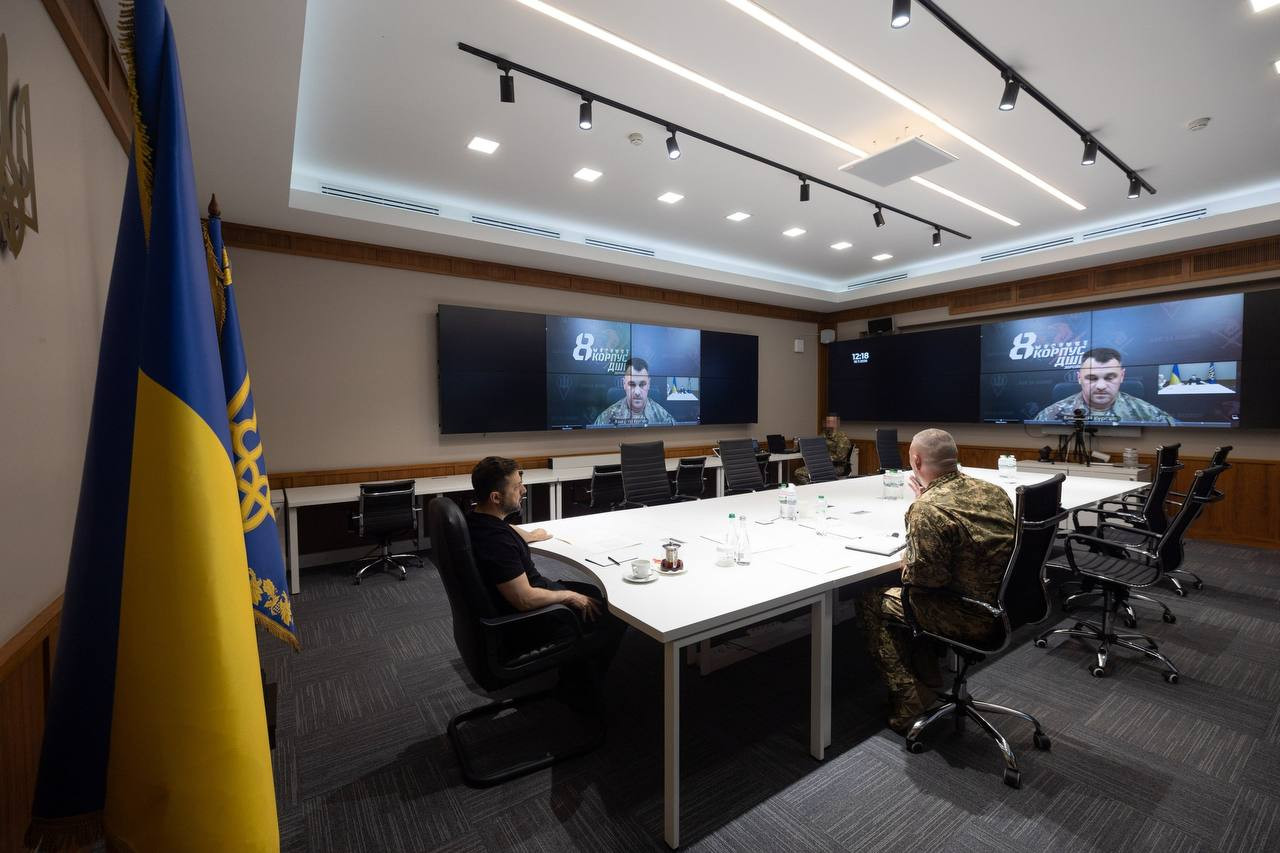
- Zelenskyy Holds Briefing with Corps Commanders and Appoints New Ministers
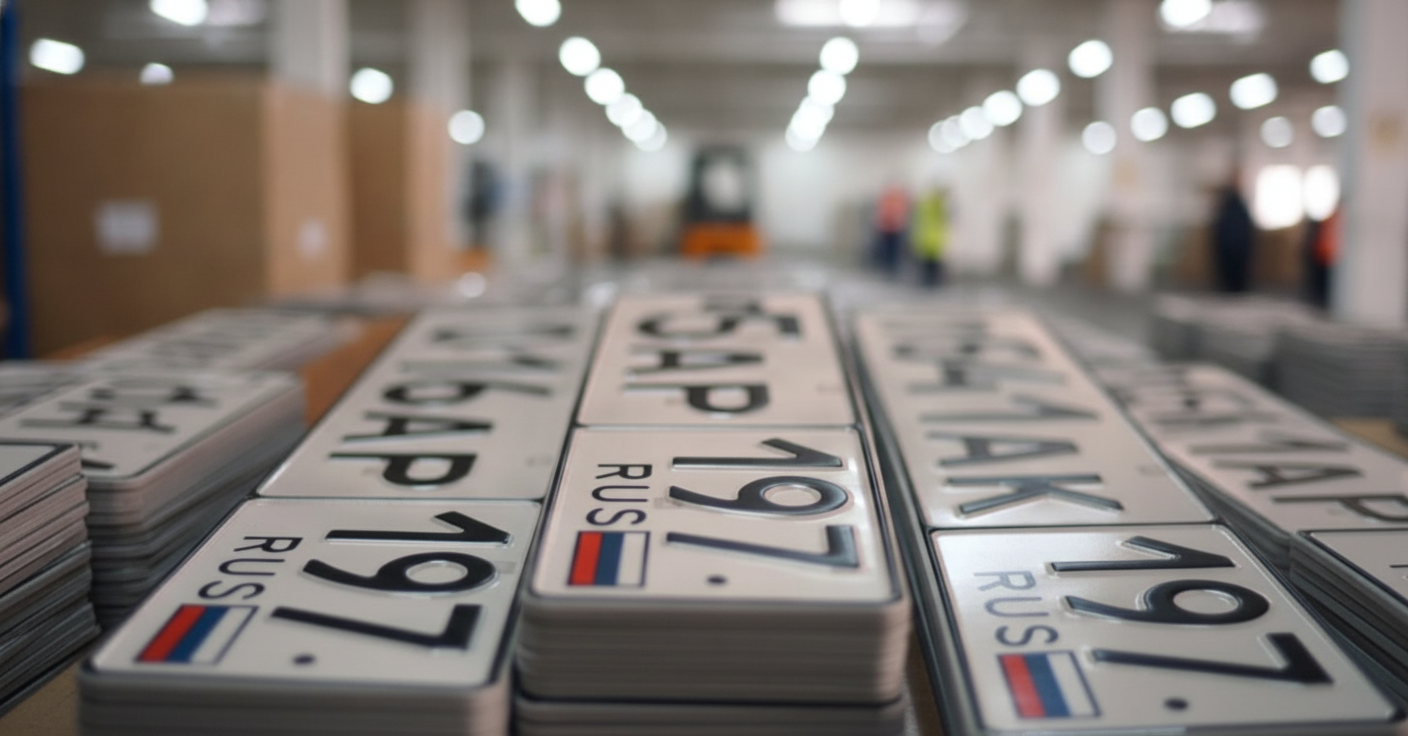
- New Russian Bill Seeks to Allow Registration of Vehicles on International Wanted Lists
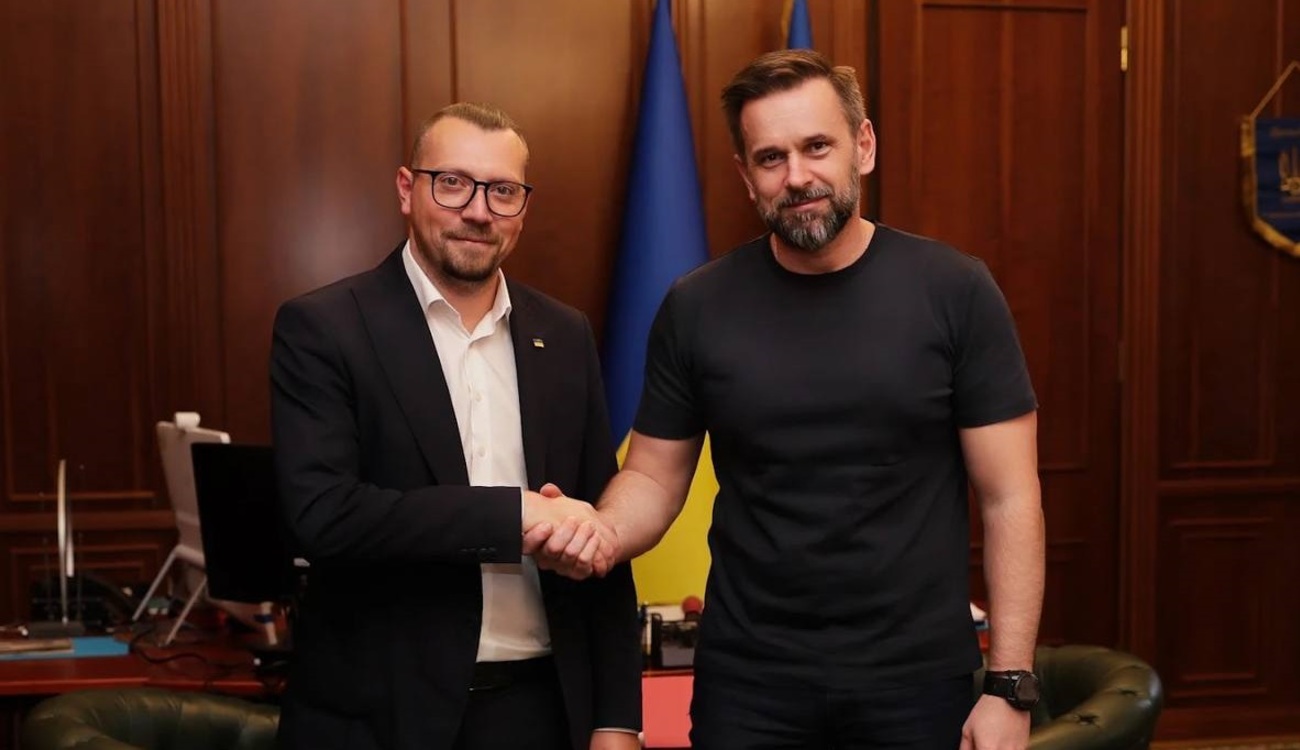
- New Ukrainian Ministry Established: Who Will Lead It
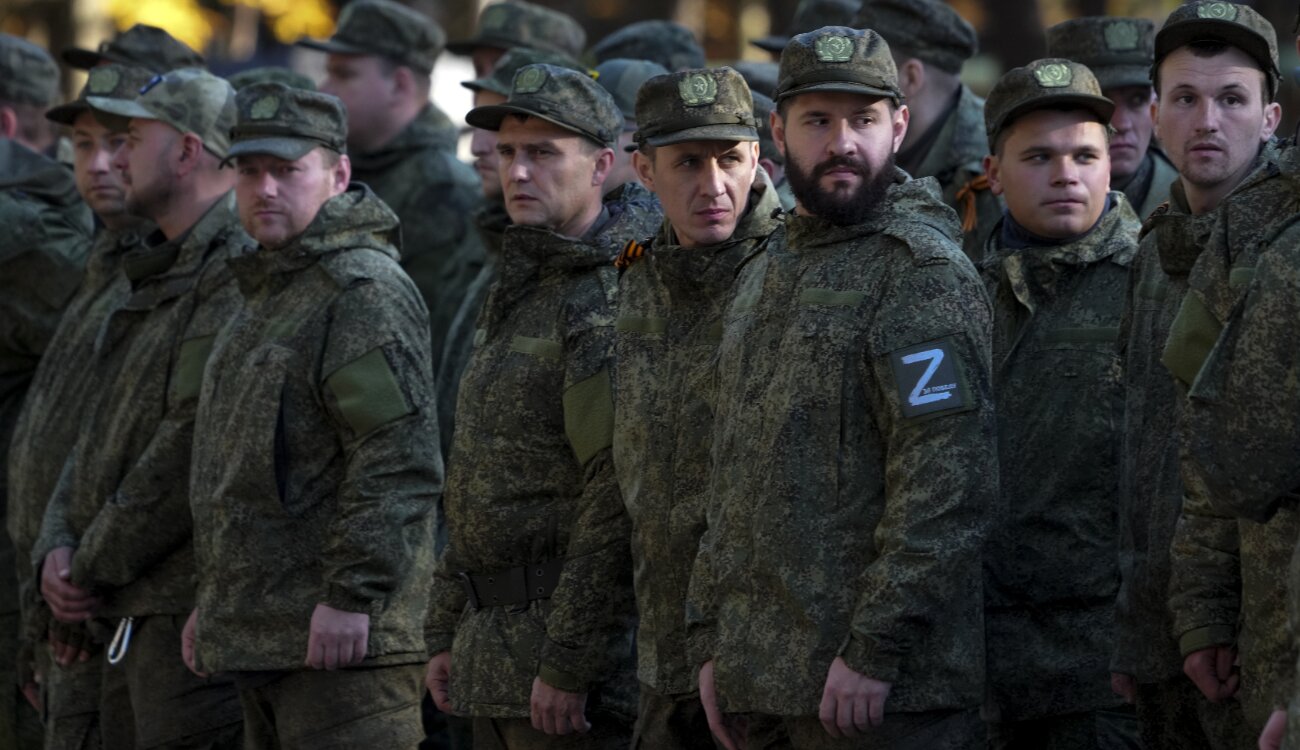
- Kovalenko Warns of Harsh Autumn Ahead as Russia Plans to Call Up 500,000 Troops
- Military Commanders Meet with Zelenskyy: Key Frontline Decisions Revealed
- Warsaw Suspends Fighter Jet Transfer. Talks with Kyiv Stalled