Ukraine’s Cabinet Proposes Storing Corrupt Officials’ Data for Just One Year: What Draft Law No. 15346 Would Change.

Amendments to the Law on Preventing Corruption
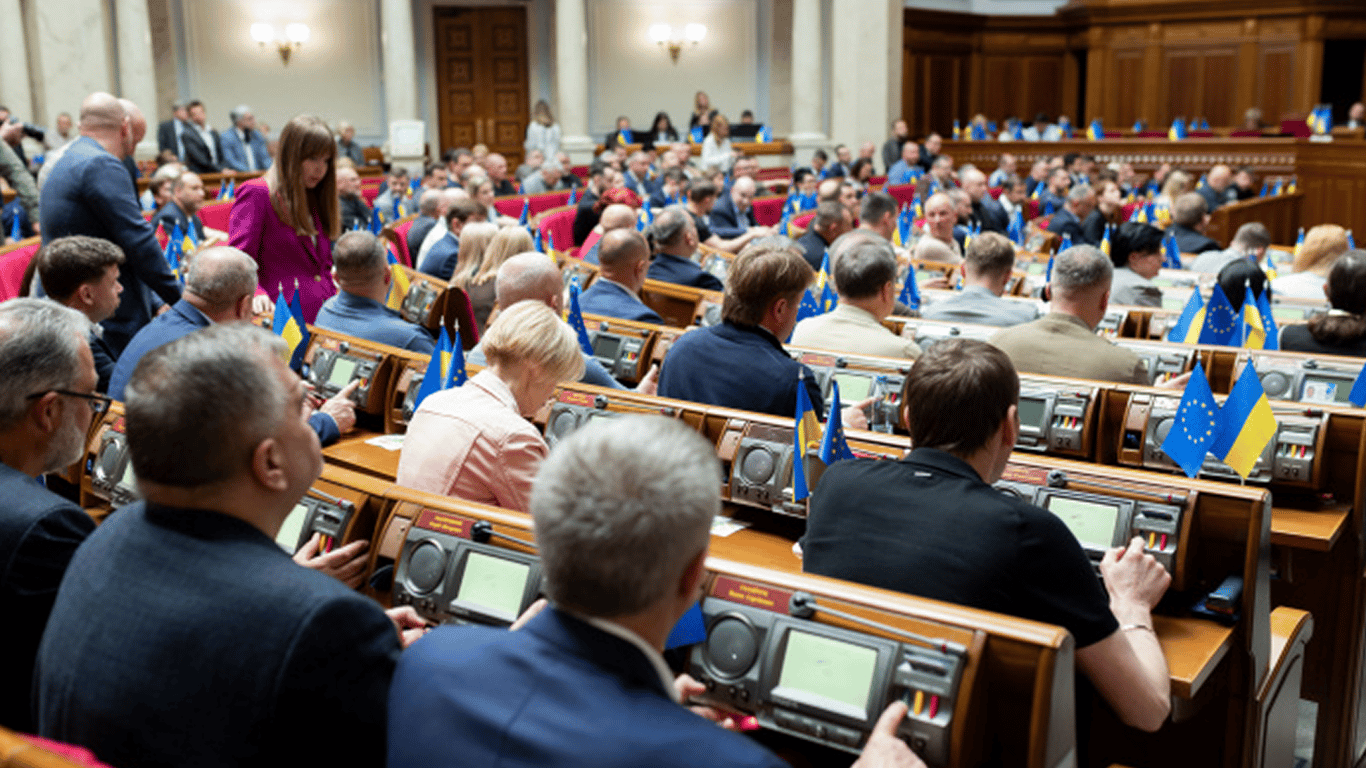
According to Novyny.live: Ukraine’s Cabinet of Ministers has submitted Draft Law No. 15346 to the Verkhovna Rada, proposing amendments to the Law on Preventing Corruption. The core change in this bill is reducing the retention period for information in the Unified State Register of Individuals Who Have Committed Corruption Offenses to just one year. This register is a key tool for tracking corruption cases in Ukraine.
Under the proposal, records on convicted corrupt individuals would be kept for only 12 months. The move stems from a need to align national legislation with international standards, particularly following the European Court of Human Rights ruling in the case 'Sytnyk v. Ukraine.' The court found that the lack of a clear procedure for removing such data could violate an individual’s right to respect for private life.
Impact of the Draft Law on the Legal System
Draft Law No. 15346 aims not only to improve conditions for those found guilty of corruption but also to bring Ukrainian law into compliance with international norms. By limiting data storage to one year, the Cabinet seeks to strike a balance between anti-corruption efforts and the protection of personal rights. This initiative reflects broader efforts to reform Ukraine’s legal framework in line with European standards.
Adopting this bill could significantly reshape Ukraine’s legal landscape. It would simplify the process of removing information about convicted individuals from the register and may influence public attitudes toward corruption offenses. Shortening the data retention period might also boost trust in state institutions that prioritize human rights protections. However, critics may point to risks: reducing the storage timeframe could hinder future investigations into corruption crimes, potentially allowing offenders to evade long-term accountability.
Read also
- U.S. Senators Endorse New Sanctions Package Against Russia: What Restrictions Are Coming
- EU and Ukraine Launch Foreign Policy Cluster: 99% Alignment Achieved with Bloc’s Stance
- President Announces Prime Minister's Resignation and Potential Defense Minister Shake-Up
- Ukraine Secures Licenses to Manufacture SCALP, AASM, and Aster 30 Missiles
- Kaczyński Fires Back at Czarnek: Military Aid to Ukraine Must Continue Despite Disagreements
- After Senator Graham’s Death, Trump Backs New Russia Sanctions Bill