Inside a 200,000-Calf California Farm: The Business of Dairy Industry Offspring.

Grimmius Cattle Company and Calf Welfare
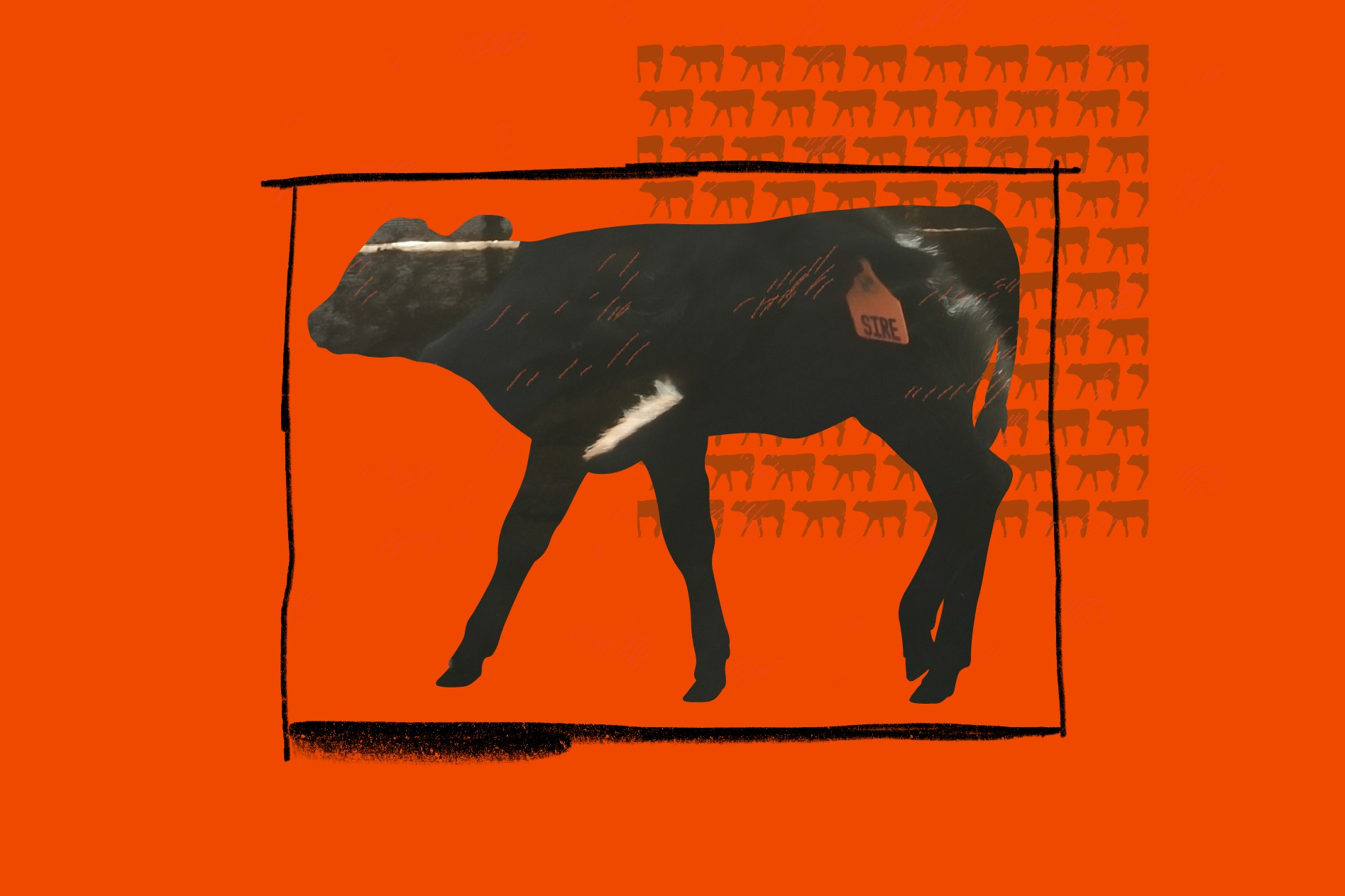
According to Vox - Загальний: Located in California's Tulare and Kings counties, the Grimmius Cattle Company is a major operation that raises calves for the dairy industry. The company houses approximately 200,000 calves at a time, a significant portion of the roughly 9 million calves born annually into this sector. A shift in the industry's economics became evident in 2014, when most large dairy farms began sending their calves to external facilities like this one for rearing.
Housing Conditions and Transportation Challenges
The housing conditions at Grimmius Cattle Company are designed with the animals' needs in mind. Calves are typically kept in individual wooden hutches, each providing about 13 square feet of space, for the first six to eight weeks of their lives. As expert Michael Payne notes, this practice serves a specific purpose:
“This practice is an important management tool.” - Michael Payne
Transporting the calves presents its own set of welfare challenges. In 2022, the company received calves from Indiana, a journey that took over 30 hours. This raises significant concerns about animal welfare during such lengthy trips. The issue is particularly relevant given that roughly 20% of American beef originates from dairy industry calves. Industry guidelines, such as those from the CCQA, emphasize that these animals must be handled with calmness, gentleness, and great patience.
- must be handled calmly,
- gently and with great patience.
These recommendations are outlined in CCQA guidelines.
Consequently, the practices of Grimmius Cattle Company and similar enterprises bring certain aspects of calf welfare in intensive farming into question, a matter of growing importance for both the public and the industry. Animal welfare in the dairy sector is an increasingly prominent topic as consumer expectations shift toward more ethical business practices. Companies like Grimmius Cattle Company face pressure to adapt their methods to evolving social standards and stricter animal protection laws, which can directly impact their market reputation and position.
Read also
- Fuel Shortage Spreads Across Russia as Moscow Diverts Siberian Gasoline Supplies
- Russia Sells Off Gold at Record Pace: Central Bank Unloads 44 Tons in Six Months
- Russia’s Wheat Exports Set to Hit Lowest Level Since 2017 – Here’s Why
- Wildberries Warehouse Fires Cause 180 Billion Rubles in Damages: Assessing Russia's Losses
- Kazakhstan Oil Exports at Risk as Caspian Pipeline Shuts Down Operations
- Asian gasoline imports mark Russia's fuel crisis spanning 11 time zones