Kyiv Adopts Major Energy Resilience Strategy for Residential Buildings.

Energy Resilience Plan Approved
According to Novyny.live: The Kyiv City Council has formally adopted an energy resilience strategy. This plan aims to implement cogeneration units and create independent energy 'islands' to provide power autonomy for individual homeowner associations (OSBB) and residential buildings. The ambitious initiative is projected to require over 60 billion hryvnias in funding. This move comes as Ukraine's capital seeks to bolster its infrastructure against ongoing wartime threats to its energy grid.
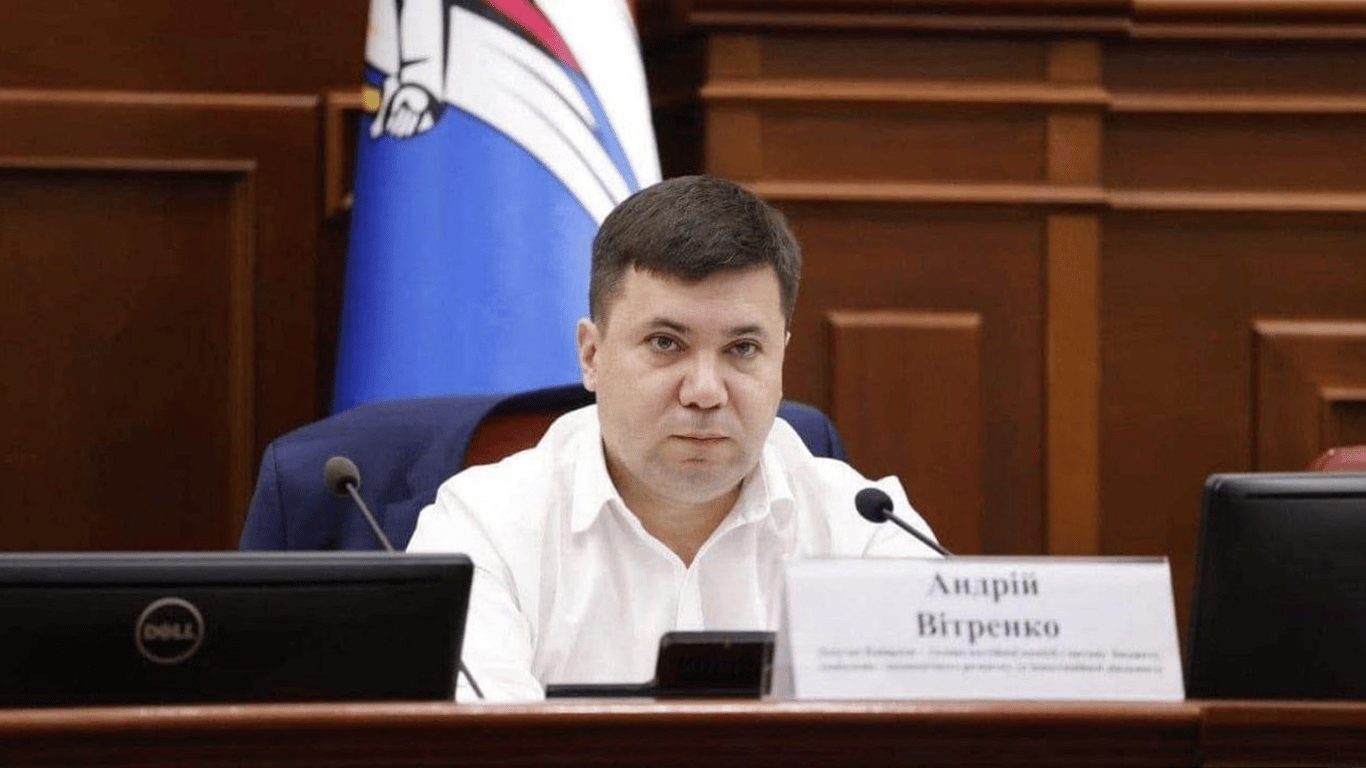
Andriy Vitrenko, a Kyiv City Council deputy from the 'Servant of the People' party, noted that the initial phase of this plan will not fully restore pre-war levels of heating supply.
"Let's be honest, but the executive bodies need to say this," he emphasized.Vitrenko also stated that while a specific address list of buildings covered by the plan is not yet available, a 'clear plan' does exist.
Assessment of the Resilience Plan
Evaluating the energy resilience plan, Andriy Vitrenko gave it a score of six out of ten, citing a lack of clearly defined deadlines.
"On a ten-point scale, I rated the energy resilience plan a six because there are no clearly defined deadlines," he remarked.
Key aspects of the strategy include developing cogeneration units and energy islands, which are seen as crucial for ensuring energy independence. Meanwhile, Maksym Bakhmatov, head of the Desnianskyi District Administration in Kyiv, highlighted existing energy supply vulnerabilities, pointing out that
- "Kyivvodokanal [the city's water utility] lacks backup power for its pumps"
Consequently, the approved energy resilience plan for Kyiv has sparked debate among deputies and experts, who acknowledge both its potential and the significant challenges the city faces in achieving energy independence. The plan's approval reflects heightened focus on energy security in Kyiv, particularly amid military conflict and a national energy crisis. Implementing projects like cogeneration units is intended to reduce reliance on centralized energy sources. However, uncertainties in the timeline and the absence of a concrete building list may complicate achieving the stated goals, indicating a need for further discussion and plan adjustments.
Read also
- Kyiv Falls Behind Kharkiv and Mykolaiv in City Preparedness, Says Desnyan District Chief
- Kyiv Shelters Can Hold 45% of Residents, Yet Most Ignore Them During Air Raids
- Live Broadcast with Maksym Bakhmatov: Tackling Corruption at Kyiv City State Administration, Scorching Heat, and Troieshchyna Renovations
- Kyiv District Head Alleges $27,000 Smear Campaign Against Alley of Heroes, Labels Council Members 'Russian Agents'
- No Budget, No Problem: How Kyiv's Desnyanskyi District Built a Walk of Fame
- Traffic Restrictions on Kyiv’s Northern Bridge and Paton Bridge Until March 26: Full List of Affected Roads