Paris Declaration on Peace for Ukraine: Why a Ceasefire is Still Not Possible.

According to ТСН: Despite ongoing high-level meetings dedicated to the issue of peace in Ukraine, and some exchanges of information between Washington and Moscow, the situation remains unchanged: there is no ceasefire, and the Kremlin shows no desire to end the war.
This is reported by the director of the Centre for Eastern European and International Studies, Gwendolyn Sasse.
"Coalition of the Willing": Many Participants — Few Results
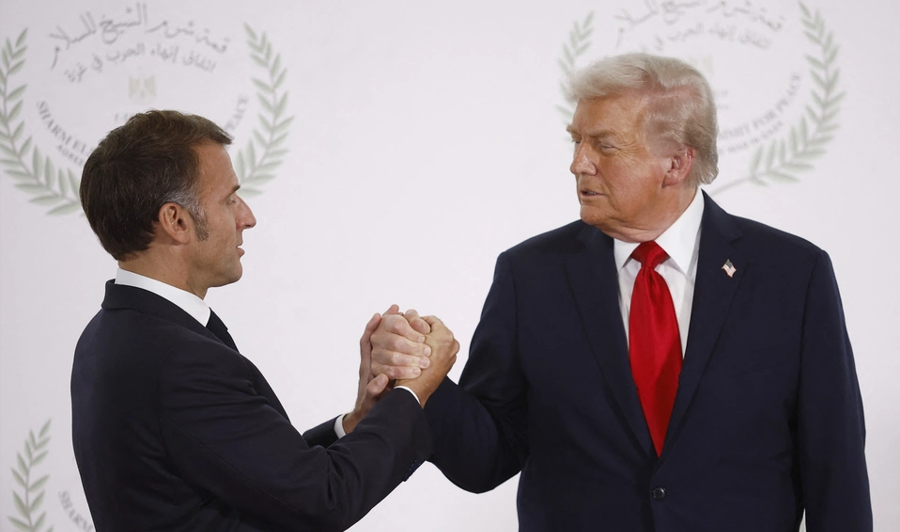
At recent talks in Paris, 35 countries managed to gather in the so-called "coalition of the willing", which aims to develop security guarantees for Ukraine in case of a possible ceasefire. The participation of the USA alongside European leaders became significant. However, the real results of the meeting remain in question.
"There has been no actual ceasefire or start of peace negotiations so far," she notes.
Meanwhile, while security issues were being discussed in Paris, Russia continued and even intensified its missile and drone attacks on Ukraine, particularly targeting energy infrastructure, which, according to the expert, is a deliberate strategy to pressure the civilian population, especially during the winter.
Declaration Without Guarantees
The Paris Declaration, in the author's opinion, resembles more a "declaration of intentions" than a clear action plan. The document mentions:
possible participation of the coalition in a monitoring mechanism for the ceasefire led by the USA;
further support for the Armed Forces of Ukraine;
the creation of multinational forces under European leadership;
the obligation to assist Ukraine in case of a ceasefire violation by Russia.
Troops in Ukraine: Promises with Conditions
Britain and France confirmed their readiness to deploy their troops in Ukraine following the establishment of a ceasefire regime — as a deterrent mechanism. However, it remains unclear what will precisely be considered a violation of the ceasefire and how the West will respond to it.
A new signal came from the German Chancellor Friedrich Merz, who for the first time allows the possible participation of German troops, albeit with conditions: deployment is only possible in NATO countries bordering Ukraine and only after agreement from the Bundestag.
Without the USA, Guarantees Don't Work
A key element of real security guarantees for Ukraine, Sasse emphasizes, is the triad: European troops, a strong Ukrainian army, and active participation from the USA. However, the last point raises the most doubt.
"The experience of the current administration under Donald Trump does not provide grounds for confidence in a long-term commitment to such agreements," the expert notes.
Putin Waits and is in No Rush
The main problem, which remains unchanged, is the lack of political will from the Kremlin for real negotiations.
"Putin is convinced that time is on his side," Sasse writes.
Furthermore, the Russian president is encouraged by direct contacts with Trump and his pragmatic, transactional approach.
Peace Without Rules?
The term "coalition of the willing", in the author's opinion, is partially successful. It reminds of the US campaign in Iraq but clearly indicates a new era of international relations — situational alliances that extend beyond traditional institutions and international law.
"Whether the war in Ukraine ends and how exactly it concludes will define this new world order," summarizes Gwendolyn Sasse.
It was previously discussed what goals the full-scale war that Russia will no longer achieve. Thus, the aggressor country is losing its capabilities:
to become a third pole in the world;
to restore full control over the post-Soviet space;
to stop the de-Slavization of Russia.
"Putin continues the war out of hopelessness. He does not want to admit to himself: he has lost everything he bet on," Vadim Denisov noted.
Read also
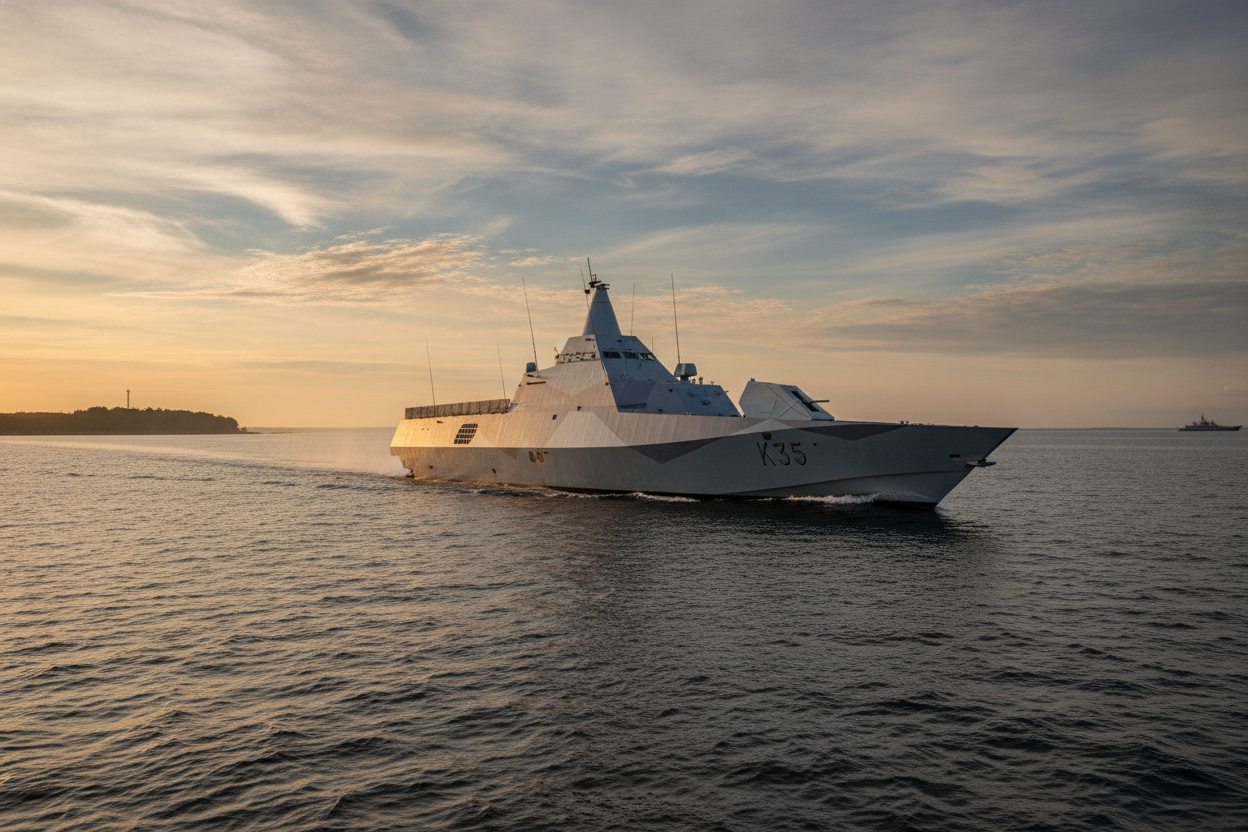
- Baltic Sentry: NATO Reduces Response Time to Sabotage from 17 Hours to One Hour
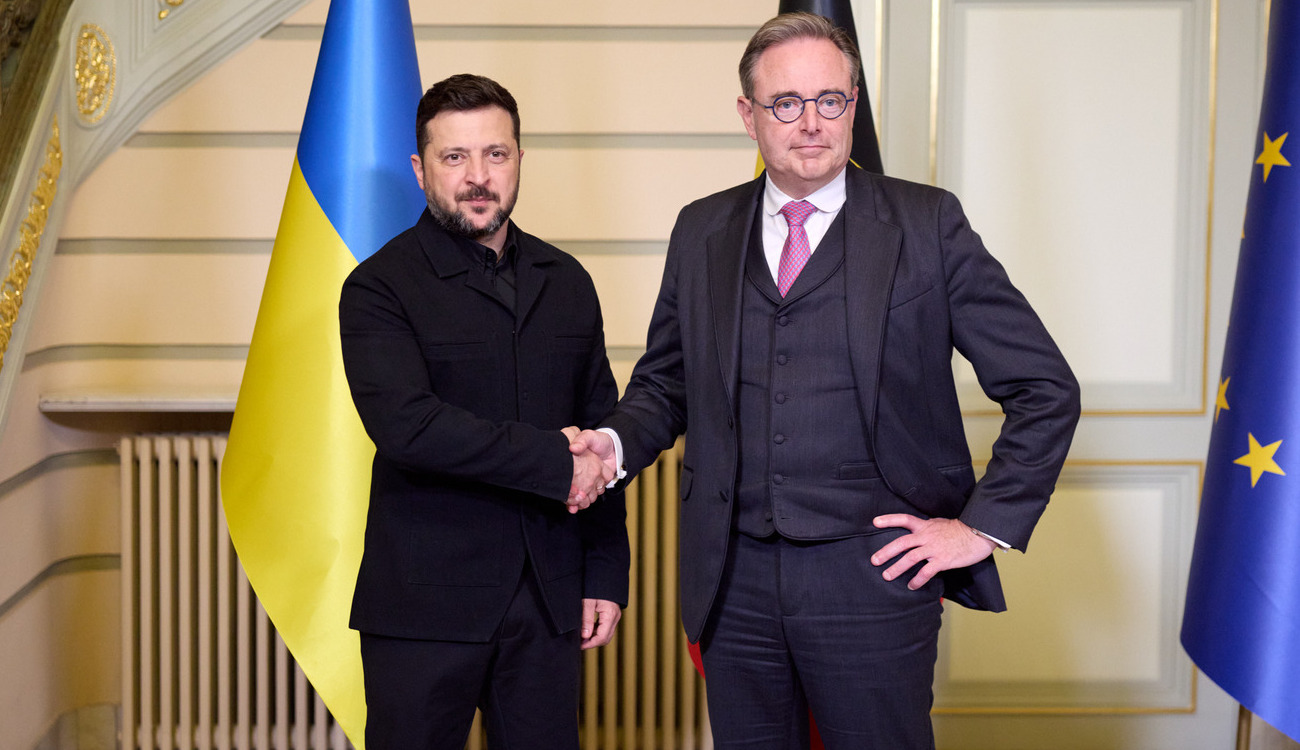
- Belgium Announces Major Aid Package for Ukraine, Including F-16 Delivery Timeline, Says Zelenskyy
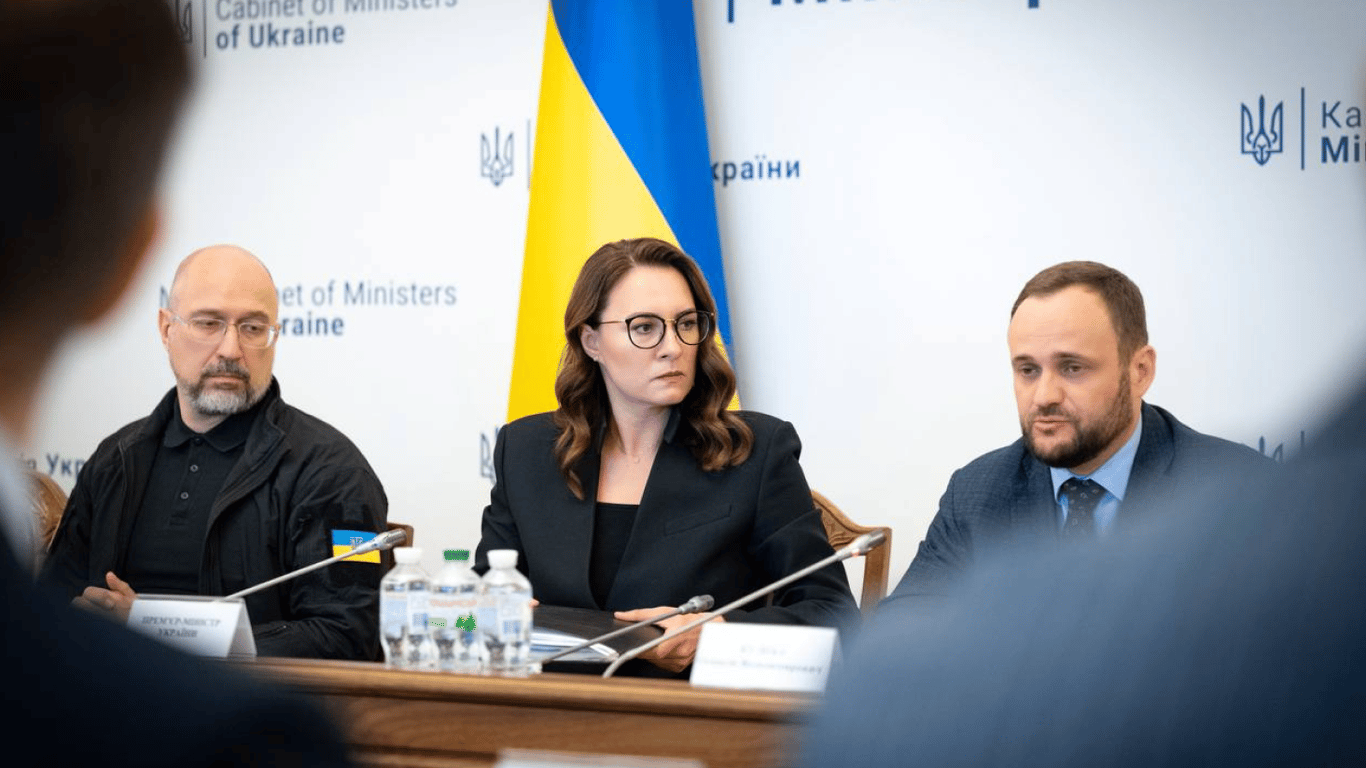
- Kyiv Falls Behind on Winter Readiness: National Security Council Meeting Called Over $4 Billion Allocation
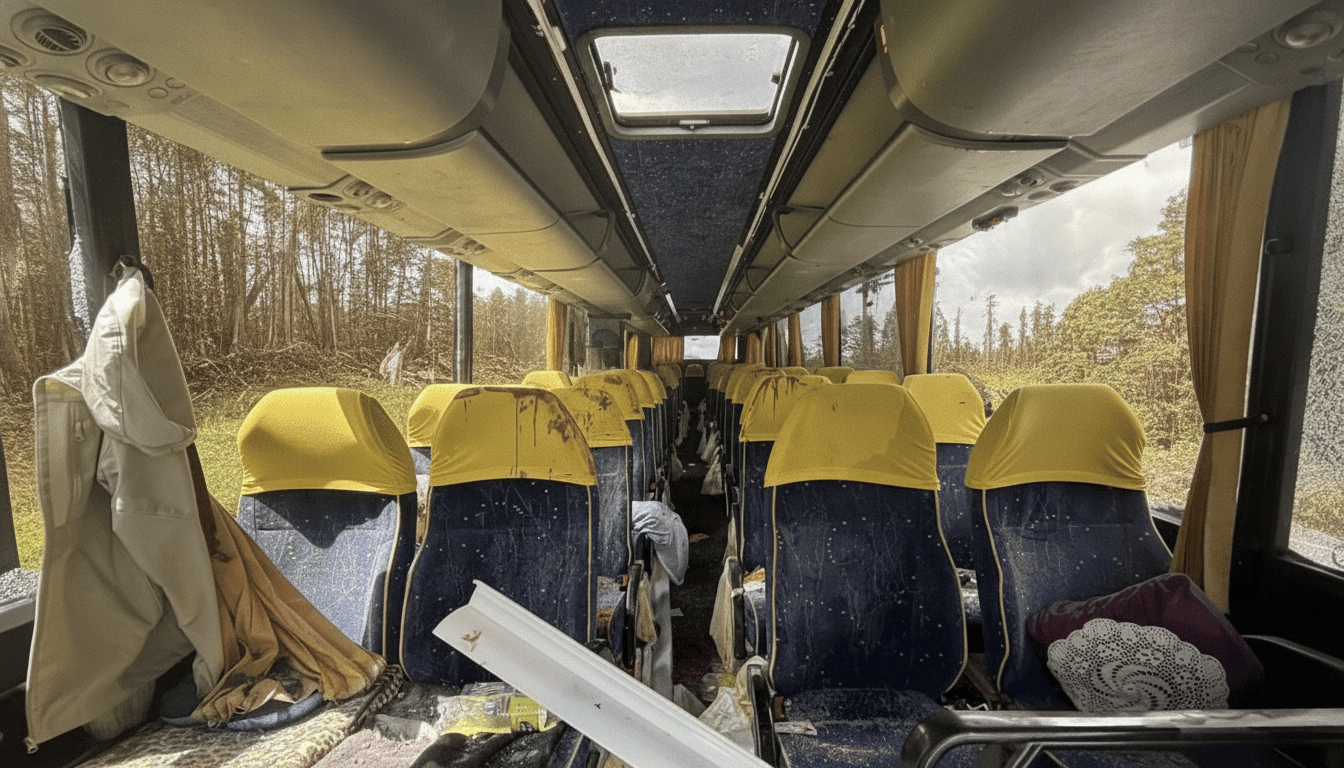
- Intercepted Russian Document Contradicts Claims of Drone Strike on Bus Carrying Belarusians, Says Ukraine's SBU
- Ukraine's Parliament Rejects Seven Motions on 2026 Budget: What It Means for Defense and Energy
- At the G7, Trump Proposed Backing Ukraine in Exchange for Iran Cooperation