Negotiations in Berlin: What Zelensky and American Representatives Really Discussed.

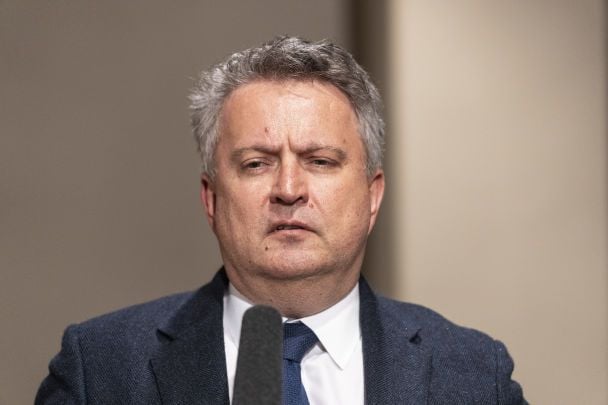
According to ТСН: The American team handling negotiations is making significant efforts, time, and resources to achieve peace in Ukraine, and any distortion of its approach would be unjust.
This was stated by the First Deputy Minister of Foreign Affairs of Ukraine, Serhiy Kyslytsya, on the social network X.
"It is important for the American side to remain fully engaged in the peace process and to try to define steps that can lead to a fair and sustainable end to the war. It is unjust to distort the approach of the American team, which is investing time, effort, and resources into establishing peace. Each side carefully listens to the other. Ukraine's position is very clear. Anonymous sources are incorrect," Kyslytsya emphasized.
Axios journalist Barak Ravid also cites an unnamed American official who noted that the negotiations between Ukrainian President Volodymyr Zelensky and U.S. representatives were "productive."
"The meeting on Monday between Trump’s advisors and President Zelensky was productive," the journalist noted.
However, a number of Western media outlets report on the complex nature of the negotiations.
Drawbacks and Controversial Issues
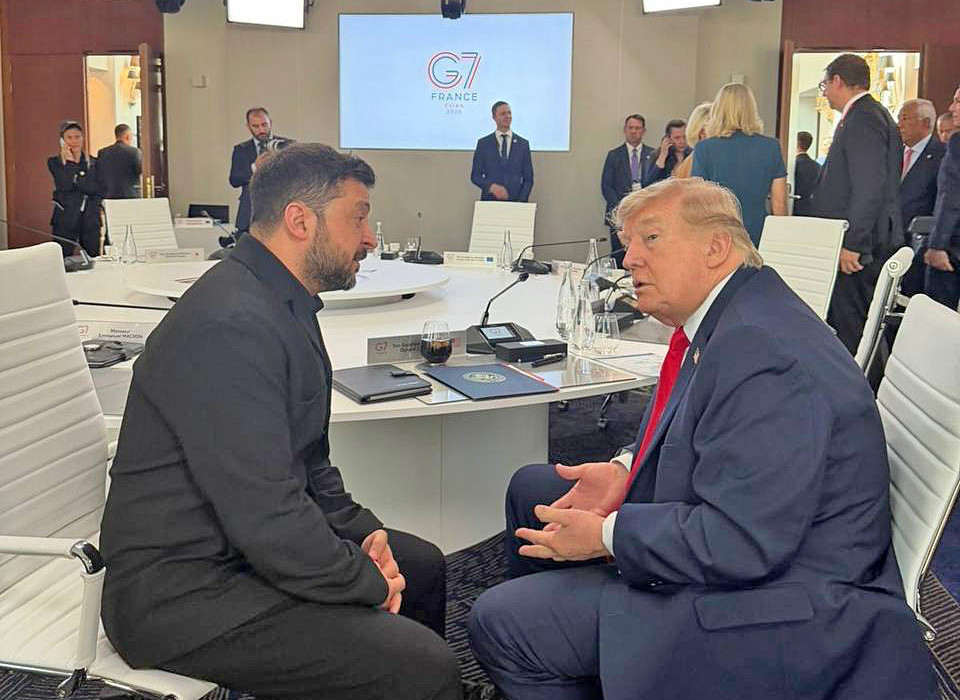
In particular, according to The Wall Street Journal, during the meeting in Berlin on December 15, U.S. Special Representative Steve Witkoff and Jared Kushner attempted to convince Zelensky to agree to a quick peace deal without seeking compromises. The publication reports that Washington hoped to achieve such a deal by the end of the year.
WSJ points out that the negotiations "turned into a tug of war," with one of the key controversial issues being territories. The publication states that Ukraine opposes the U.S. demand to withdraw troops from the Donetsk region.
Additionally, information has emerged that the American side allegedly demanded Ukraine to abandon Donbas. President Zelensky, according to these reports, rejected such a scenario, emphasizing the need to initiate a ceasefire without territorial concessions.
It should be noted that negotiations for peace in Ukraine have been ongoing in Berlin since December 14.
Participants in the negotiations include President Volodymyr Zelensky, Secretary of the National Security and Defense Council Rustem Umerov, Chief of the General Staff of the Armed Forces Andriy Hnatov, First Deputy Foreign Minister Serhiy Kyslytsya, advisor to the head of the Office of the President Oleksandr Bevz, as well as American envoys Steven Witkoff and Jared Kushner.
Thus, negotiations continue to remain on the agenda, although their complex nature indicates numerous challenges. The struggle for defining the terms and conditions of peace continues, and it is crucial for all parties to remain open to dialogue, as achieving justice will not be easy without compromise.
Read also
- Expert Predicts Timeline for Ukrainian Ballistic Missiles to Strike Russian Territory
- How a US War with Iran Could Reshape Trump’s Talks with Putin and Ukraine
- EU Extends Russia Sanctions by One Year; Zelensky Urges Faster Accession Talks
- Russia Open to Diplomacy, Lavrov Says: What Europe Demands for Peace in Ukraine
- Why the Kremlin Is the Weakest Link as Ukraine’s Defense Forces Grow Stronger, Expert Says
- Trump’s Need for a Win in Ukraine Casts Doubt on Any Iran Deal