US Skepticism Greets China’s Peace Plan: Can a Ceasefire Actually Happen?.

The Complicated Triangle: U.S., China, and Russia Relations
According to Espreso.tv: Andrew Michta, a professor of strategic studies at the University of Florida, shared his perspective on the intricate dynamics between the United States, China, and Russia. He noted that Beijing maintains close ties with Moscow while keeping a neutral stance on the war in Ukraine. In February 2023, China unveiled a 12-point 'peace plan,' yet it notably omitted any demand for Russian troop withdrawal.
Michta expressed doubt about what he calls the 'Beijing formula.' He argued,
“Just as there was no 'spirit of Anchorage,' there is no 'spirit of Beijing'”— Andrew Michta. He also emphasized that China, Russia, North Korea, and Iran effectively form an 'axis of dictatorships.' Against this backdrop, Ukrainian President Volodymyr Zelensky stated on March 2, 2024, that Ukraine is interested in China playing a role in ending the war.
Paths to a Peaceful Resolution
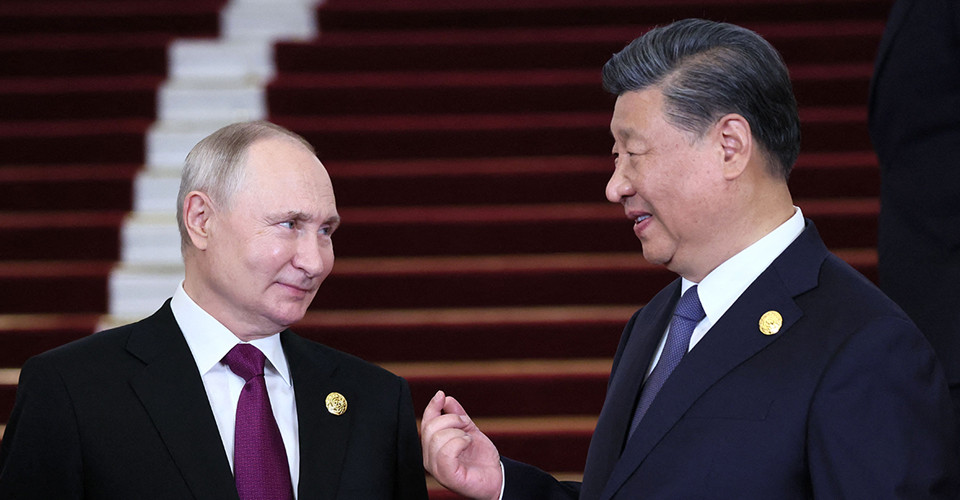
China continues to actively seek ways to resolve the conflict peacefully. In May 2024, Beijing, together with Brazil, put forward a new peace initiative. Meanwhile, on May 13, 2024, U.S. President Donald Trump arrived in Beijing for a three-day state visit, meeting with Chinese leader Xi Jinping on May 14, 2024. During this encounter, Xi stressed the importance of partnership, stating:
“We must be partners”— Xi Jinping.
As a result, the international landscape remains fraught with complexity, as various nations make active attempts to find a path toward peace. However, expert commentary suggests that genuine progress may be limited due to long-standing strategic interests that conflict with efforts to reach a compromise. It is crucial to monitor further developments among the world’s leading powers, as these could significantly impact global stability and security.
Read also
- July 19 Attack on Ukraine: Over 40 Missiles and 120 Drones Launched by Russia, Casualties Reported
- Trump Urges Congress to Combine Russia and Iran Sanctions Into One Bill
- Russia Offers to Mediate Between the U.S. and Iran
- Fresh U.S. Strikes Target Iran After Two American Soldiers Are Killed
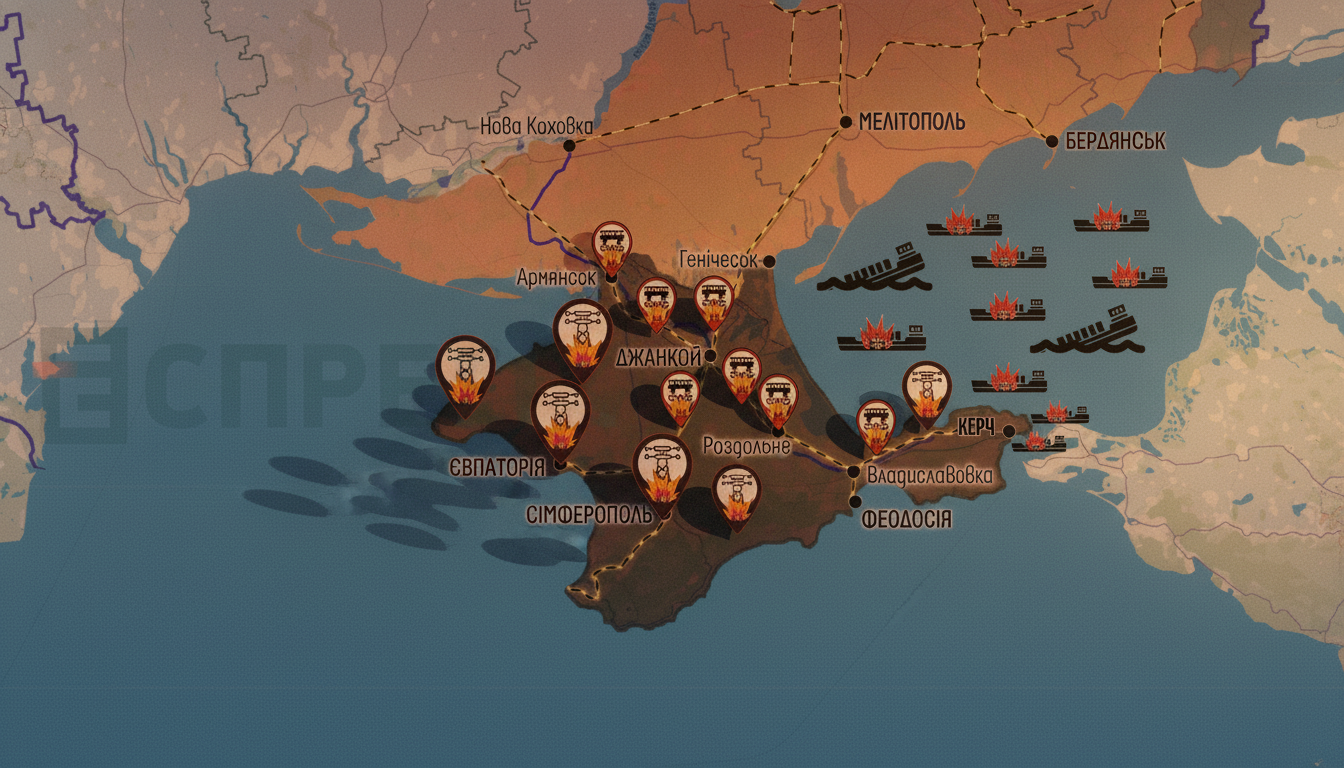
- Ukrainian Drone Strikes Hit Four Russian Vessels and 13 Substations: What It Signals
- Russia Spent Days Preparing Kyiv Attack, Zelensky Says