Ukrainian Drone Strikes Hit Four Russian Vessels and 13 Substations: What It Signals.

Ukraine Targets Russian Infrastructure with Drone Attacks
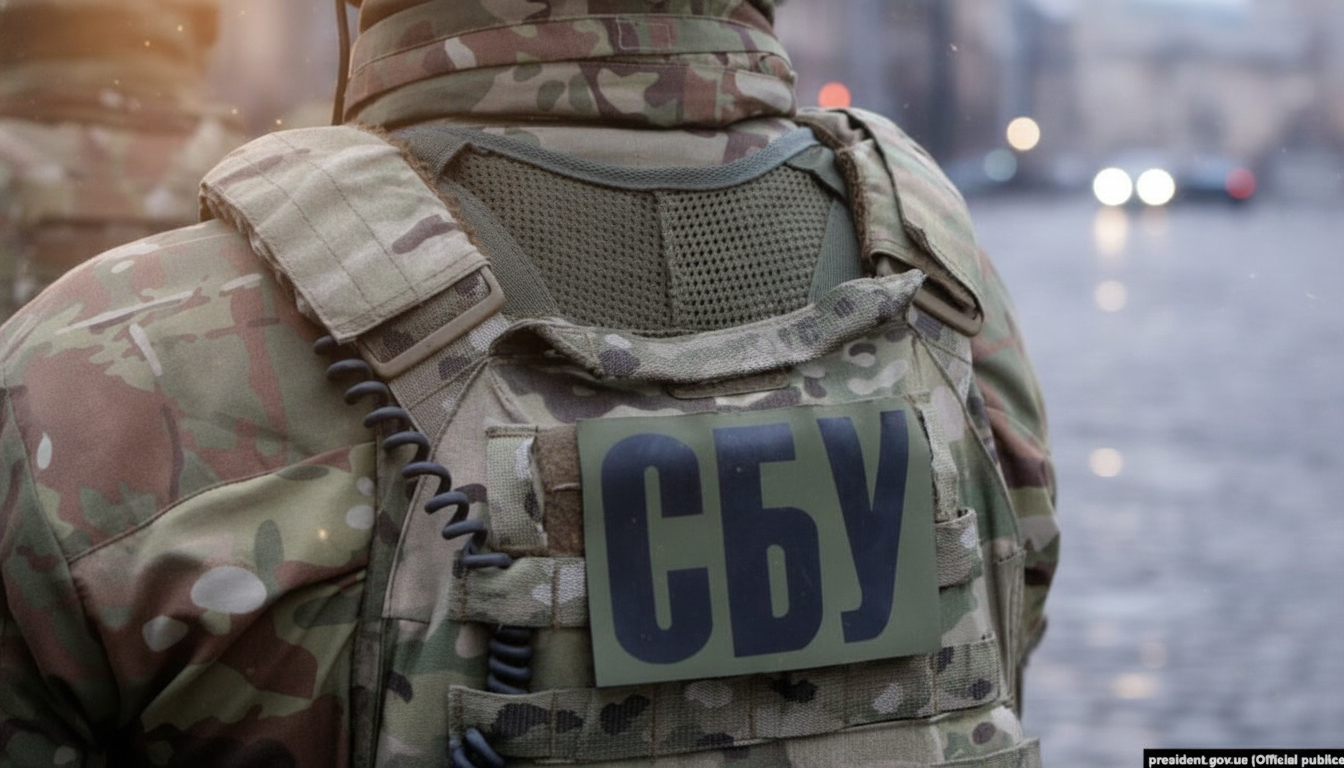
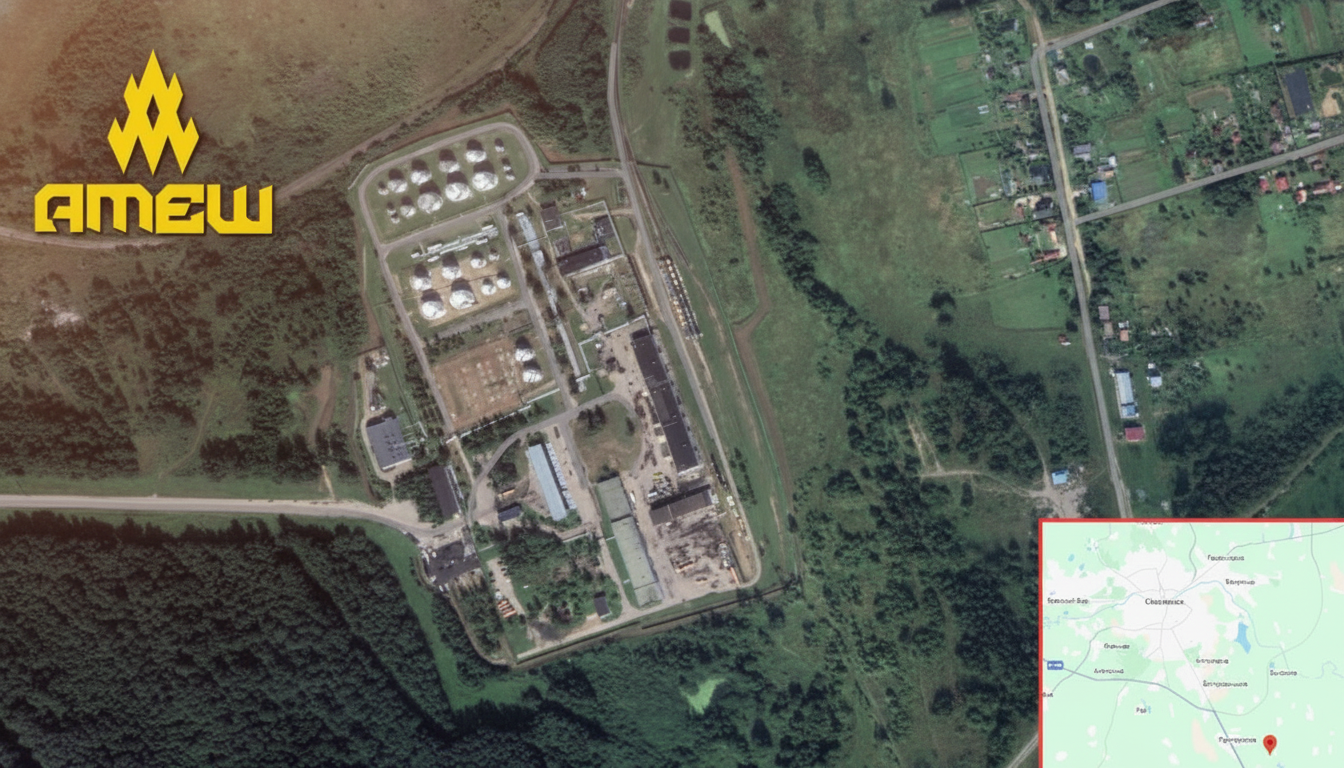
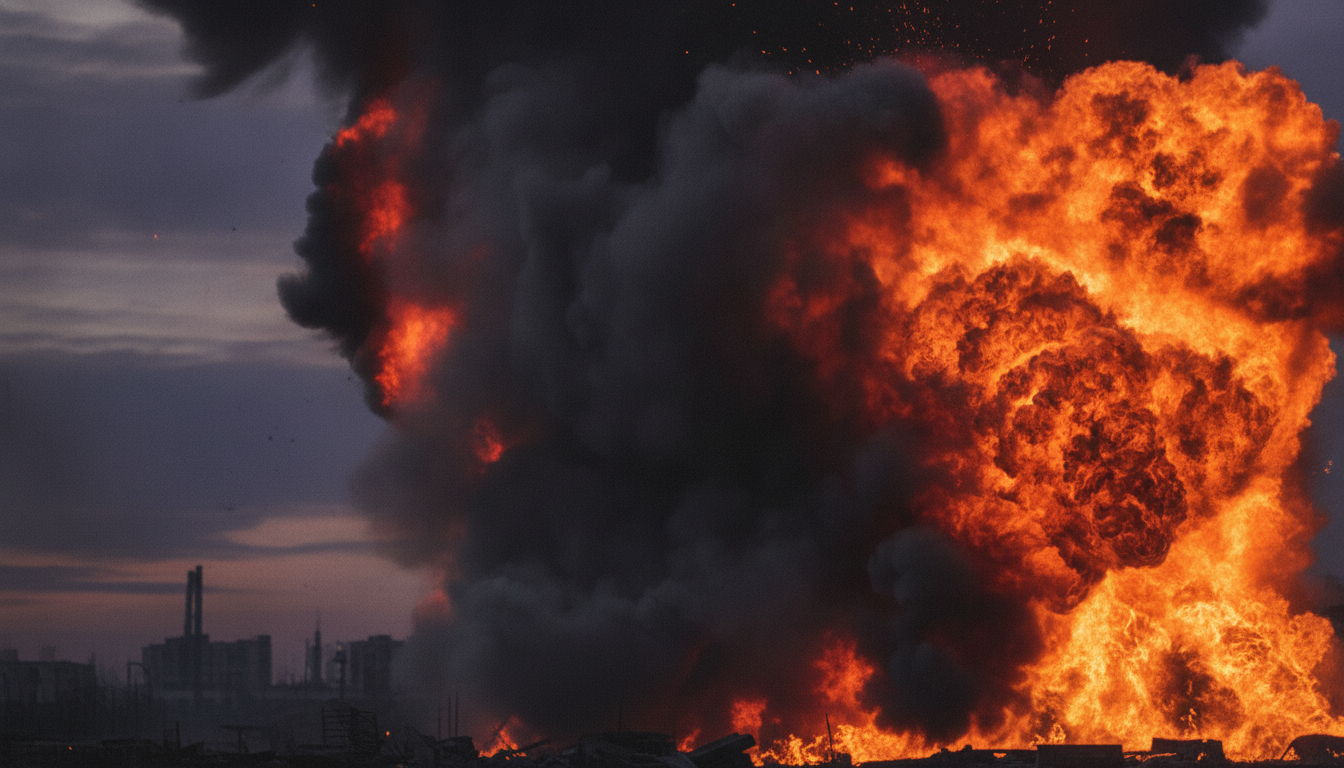
According to UATV: In a series of coordinated strikes, Ukrainian drones have damaged four Russian ships and 13 electrical substations, disrupting Moscow's oil exports and weakening its military capabilities. Ukraine's Security Service successfully attacked the tanker Avero and three oil depots in the Stavropol region, triggering massive fires. These operations are part of Kyiv's broader response to Russia's ongoing military aggression.
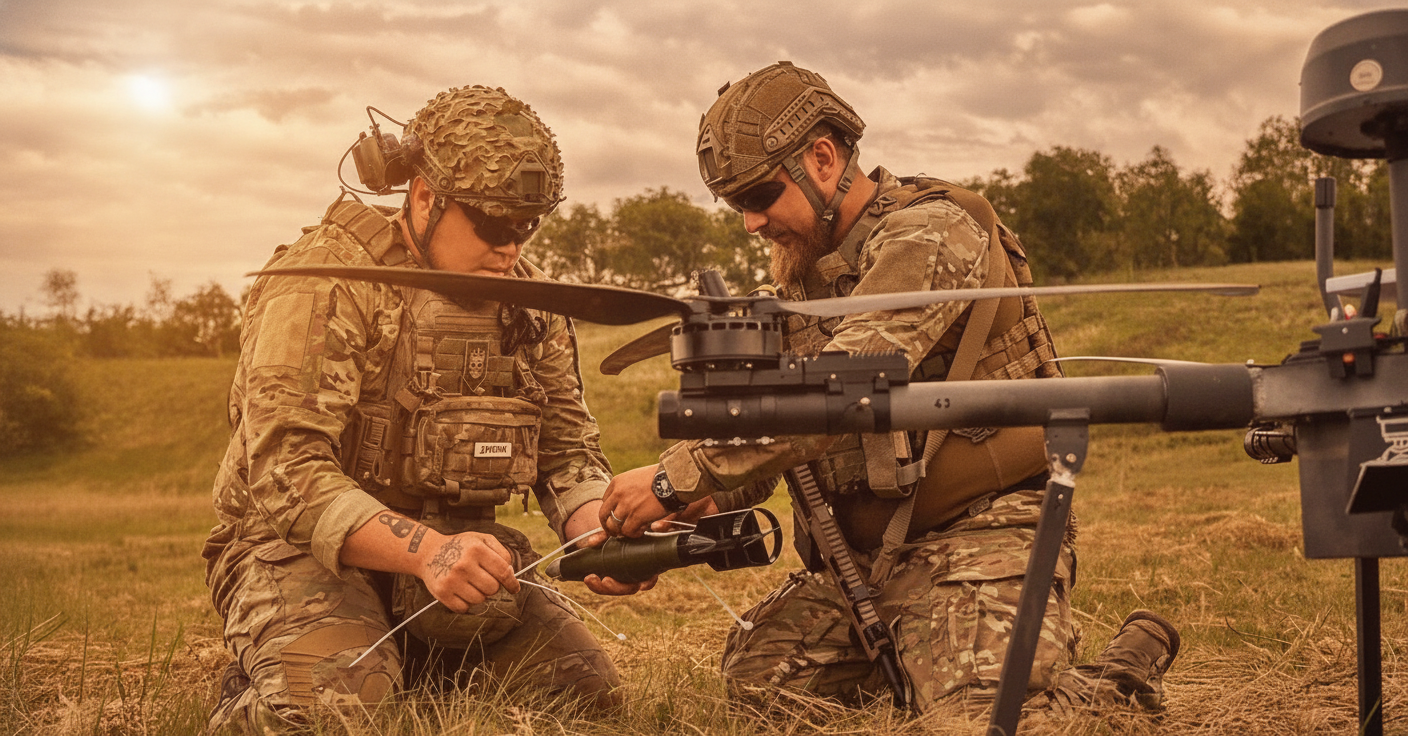
On July 19, Ukrainian drones operating in the Black Sea struck two tankers, a dry cargo ship, and a floating crane, inflicting significant damage on Russian infrastructure. Additionally, 13 energy facilities were destroyed in occupied territories, including eight in Crimea. The goal of these attacks is to reduce the operational capacity of Russian forces, which rely heavily on energy resources.
Reduced Capacity and Growing Public Awareness
The attack on three oil depots in the Stavropol region occurred approximately 600 kilometers from Ukraine's border, highlighting the increasing range of Ukrainian strikes. As a result, the capacity of the Kerch ferry crossing has dropped by 75% over two weeks, complicating cargo transport between Russia and annexed Crimea. Crimea requires 5,000 tons of fuel daily to sustain both civilian and military operations, making these strikes a serious logistical challenge for Russian troops.
Over the past 100 days, Ukrainian forces have attacked Russian oil facilities around 50 times, underscoring a systematic strategy to cripple the enemy's supply lines.
Ukrainian President Volodymyr Zelenskyy stated: 'We are continuing to respond absolutely fairly and precisely to Russian strikes. Today, Ukraine's long-range sanctions have reached certain objects that are financing and supporting Russian aggression.'
Meanwhile, expert Andriy Ryzhenko notes that the Russian public is beginning to grasp the war's consequences: 'The population is starting to think, to understand more precisely what war against Ukraine means—and that it is very bad for them as well.' These comments reflect a growing awareness among civilians about the impact of military actions on their daily lives.
Overall, Ukraine's military operations continue to degrade Russia's energy and transportation capabilities, potentially reshaping the conflict's trajectory.
The drone strikes on Russian targets underscore Ukraine's intensified military strategy aimed at weakening the adversary's resources. The reduced capacity of the Kerch crossing and fuel supply disruptions in Crimea could significantly hinder Russian logistics, complicating their battlefield operations. Equally important is the rising public consciousness about the war's effects, which may shift opinion and support for the conflict. These developments could influence future phases of the war and strategic decisions on both sides.
Read also
- Zelenskyy Offers Fedorov a Role on Ukraine's National Security Council Amid Protests in 16 Cities
- EU readies 21st sanctions package targeting 90 Russian banks and crypto platforms
- Military Strategy Meeting: Zelenskyy Holds High-Level Talks with Top Commanders
- Sanctions Fall Short as Russia Keeps Mass-Producing Missiles for Ukraine Strikes
- Vatican Delegation Arrives in Kyiv Amid Massive Russian Attack – Key Topics Revealed
- Protests Erupt After Fedorov-Syrsky Clash: Zelenskyy Discusses Defense Strategy