When Tire Repair Isn’t an Option: Key Limits Set by Manufacturers.

Why Proper Tire Repair Matters
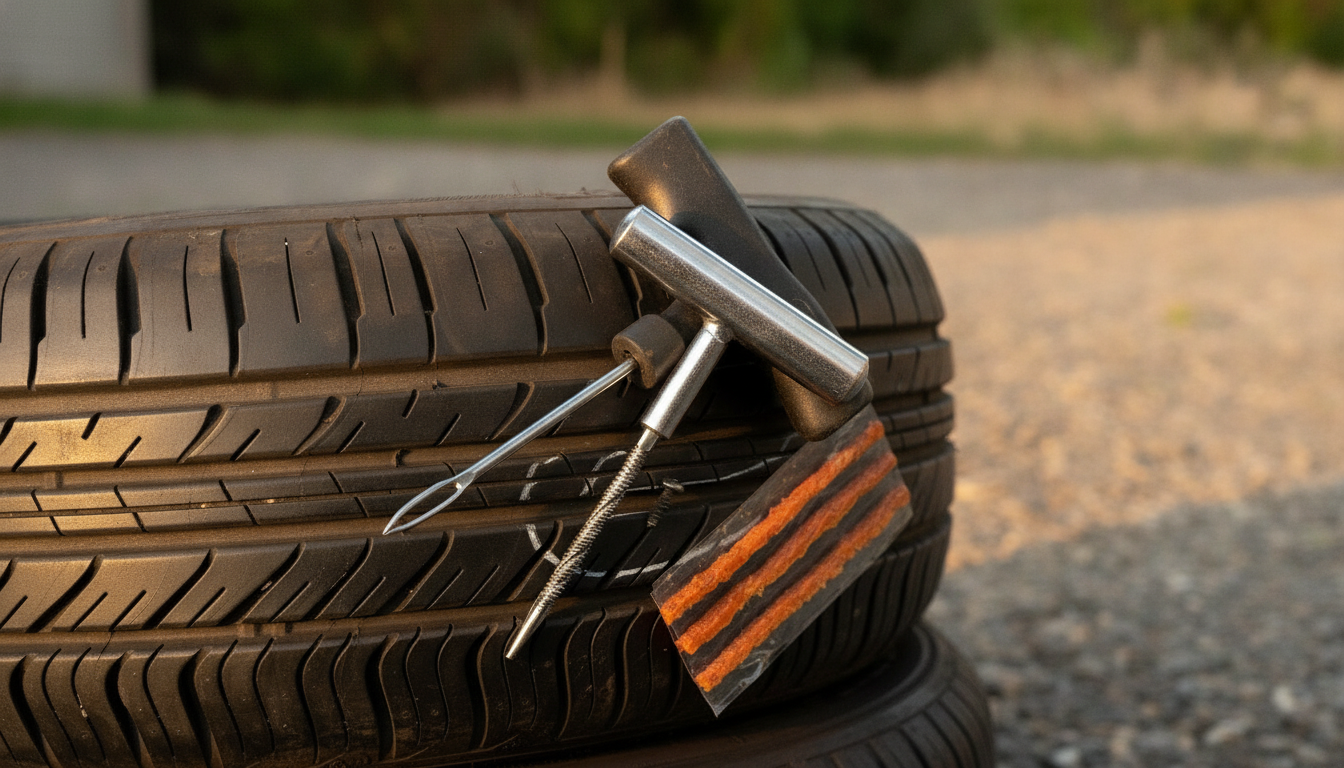
According to Novyny.live: For drivers, the decision to repair a damaged tire often comes down to safety. While manufacturers generally recommend replacing punctured tires with new ones, there are specific cases where repair is acceptable. This article outlines the technical restrictions and expert guidelines for safe tire repair, helping drivers know when to fix and when to replace.
Technical Limits on Tire Repair
Standard tire repair is only permitted on the tread’s working surface. The safe zone for intervention is limited to 80–90% of the total tread width for passenger cars. Any hole to be repaired must be no larger than 6 mm in diameter. Additionally, tires older than 5–6 years cannot be repaired, as the rubber compounds degrade over time.
Whether a tire is worth repairing also depends on its type:
- For summer tires, repair is only advisable if the tread depth is at least 3 mm;
- For winter and all-season tires, the minimum tread depth for repair is 4 mm;
- Damaged tires with a bead that sits against the metal rim are not repairable;
- Run-flat tires lose their ability to be safely repaired after being driven while flat.
Following these conditions and technical limits is essential for ensuring driver and passenger safety. Tire repair can be a practical solution, but only when all manufacturer and specialist recommendations are followed.
With more cars on the road and safety becoming a top priority, understanding when tire repair is possible has never been more important. Drivers who know these rules can avoid dangerous situations, extend the life of their tires, and reduce the risks associated with driving on compromised rubber.
Read also
- New York Breaks Ground on 373-Meter Skyscraper: The Second World Trade Center
- NVIDIA Unveils DLSS 5: Three AI Models for Gaming, Launching This Fall
- Ukraine’s Defense Ministry Unveils New Robotic Combat System ‘Mini Strike Serpent’ – Key Details Inside
- Ukraine's Drone Forces Sink 183 Russian Shadow Fleet Vessels, Unleash New Missiles and Strike Crimea
- Ukrainian Firm SkyFall Unveils P1-SUN Jetkiller Interceptor Drone: Key Details Emerge
- World’s First 500 MW Impulse Hydropower Plant Under Construction in China: Trials Succeed