South Korean Ex-President Sentenced to Five Years for Obstructing Justice.

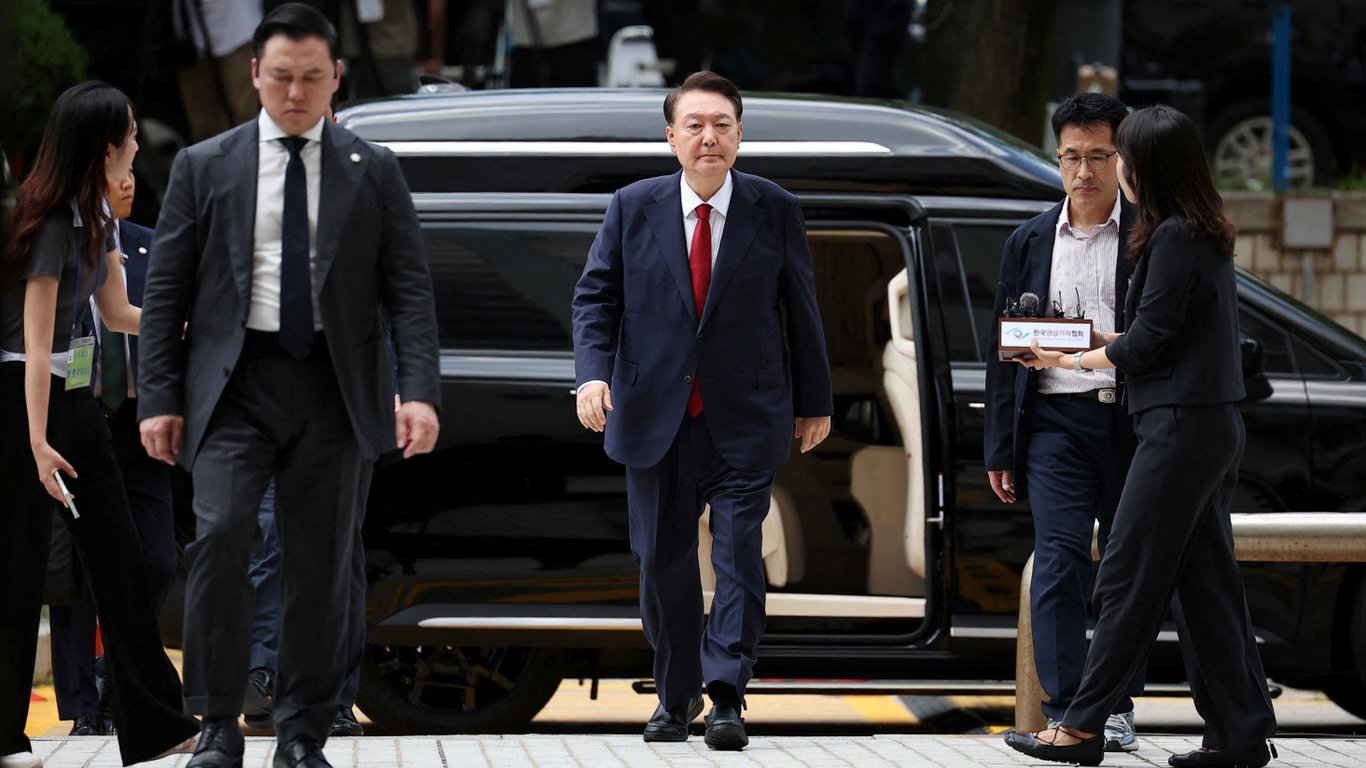
Former South Korean President Convicted and Sentenced
According to Novyny.live: A South Korean court has handed down a five-year prison sentence to former President Yoon Suk Yeol. The conviction, delivered in January 2026, is the first criminal verdict against him and stems from charges of obstructing justice, destroying evidence, and violating proper procedure in the declaration of martial law in late 2024. This landmark ruling underscores the serious nature of the legal violations for which the former leader has been held criminally accountable.
The charges in this criminal case specifically include:
- Obstruction of justice;
- Destruction of evidence;
- Document falsification.
The imposition of martial law, which formed the basis for these accusations, triggered widespread public protests across the nation, highlighting the significant social tensions within South Korea at that time. This case is part of a broader pattern in South Korea where former presidents have faced legal consequences after leaving office.
The court's decision marks a pivotal moment in the country's political landscape, reaffirming the principle that the rule of law applies to all levels of government. The sentencing of Yoon Suk Yeol is likely to have profound and lasting implications for South Korea's political environment and the future operations of its state institutions.
This verdict demonstrates the South Korean judiciary's ongoing efforts to combat corruption and abuses of power by high-ranking officials. Amid existing social strain and political uncertainty, the court's ruling may significantly impact public trust in governmental institutions and could spur further calls for reform. Consequently, the subsequent political developments in South Korea will be closely monitored by both domestic and international observers.
Read also
- Kyiv Pechersk Lavra’s Millennium Celebrations Get Official Go-Ahead from President Zelenskyy
- Crimea Ablaze: Ukraine Intensifies Pressure to Make Russia's Occupation Unbearable
- Harman explains how the Minsk Agreements led to the erasure of the Ukrainian language in Donbas
- Ukraine's 2027 War End Date Built Into Budget: What It Means for Citizens
- Germany Rejects Tusk’s Request for Mediator Role in Poland-Ukraine Dispute
- These fundamental rights remain inviolable even in war – what the constitution really says