Poland’s Intelligence Chief Warns of New Russian Provocations Threatening Baltic States.

Growing Concerns Over Russian and Belarusian Aggression
According to Espreso.tv: In a recent interview, Pawel Szota, the head of Poland’s intelligence agency, raised alarms about potential provocations from Russia and Belarus targeting the Baltic nations. He highlighted that Moscow is actively deploying information warfare campaigns, especially on social media, to destabilize the region. On March 16, the German outlet Bild reported on a Russian-led effort urging the establishment of a so-called "Narva People's Republic" in eastern Estonia.
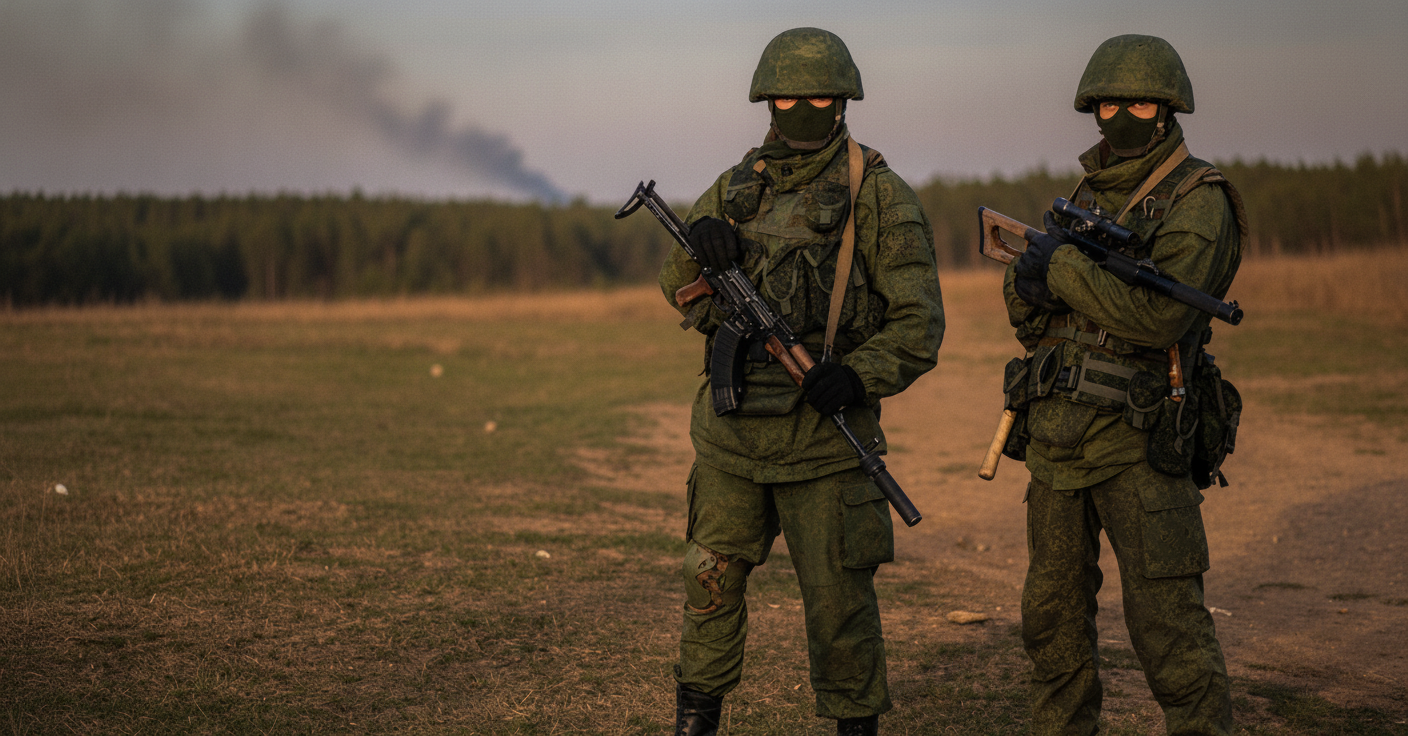
Szota pointed out that Russia has previously used unmarked soldiers—often referred to as "little green men"—during its annexation of Crimea and the conflict in Donbas, demonstrating its willingness to repeat such tactics elsewhere. He emphasized that
“Russia is systematically shifting its red lines, testing NATO’s reactions”—a key part of the Kremlin’s strategy to gauge how far it can push its aggressive ambitions.
Responding to Provocations and Protecting Citizens
He also noted that the cost of these provocations for Moscow remains low, as the Alliance primarily responds through political channels, which Szota believes encourages further escalation. According to the intelligence chief, Poland
“has no intention of remaining passive in the face of aggressive actions by Russia and Belarus”. In this context, he highlighted Polish intelligence efforts to maintain communication channels with Belarusian counterparts, a move that could help reduce tensions.
Szota referenced the case of Andrzej Poczobut, a Polish journalist and activist whose release was secured with the help of Polish intelligence. This example underscores Poland’s proactive stance in defending its citizens and supporting democratic values in the region. Overall, Szota’s remarks underline the seriousness of threats emanating from Russia and Belarus, as well as the need for decisive action to safeguard European security.
Szota’s statements reflect Poland’s deepening anxiety over Eastern European security, particularly amid Russia’s escalating military activity. Poland’s efforts to keep communication lines open with Belarus may signal a desire for diplomatic solutions to ease regional friction. This situation highlights the critical role of international cooperation and collective defense in countering modern threats from authoritarian regimes.
Read also
- Zelensky and Top Military Command Outline Response Plan to Russian Strikes
- EU's New Sanctions Package Targets Crypto Platforms Used to Bypass Restrictions
- New directives for Ukraine's National Security and Defense Council: Zelenskyy assigns tasks to Umerov and Klymenko
- Ukraine Extradites Former Lawmaker Demchak in Major Push to Bring Back Suspects
- EU Adopts 21st Sanctions Package Against Russia: What the New Restrictions Target
- Lithuania Accuses EU Nations of Undermining Sanctions for Their Own Economic Gain