Crisis in Crimea: Russians Flee as Emergency Declared on the Peninsula.

Crimea Under Pressure
According to UATV: A wave of Russians leaving Crimea has escalated amid fears of renewed strikes by Ukraine's Armed Forces. After 12 years of occupation, Crimean Tatars who refused to embrace the so-called 'Russian world' continue their resistance. The occupying authorities have declared a state of emergency on the peninsula, a direct result of the deepening crisis there.
Transportation Breakdown
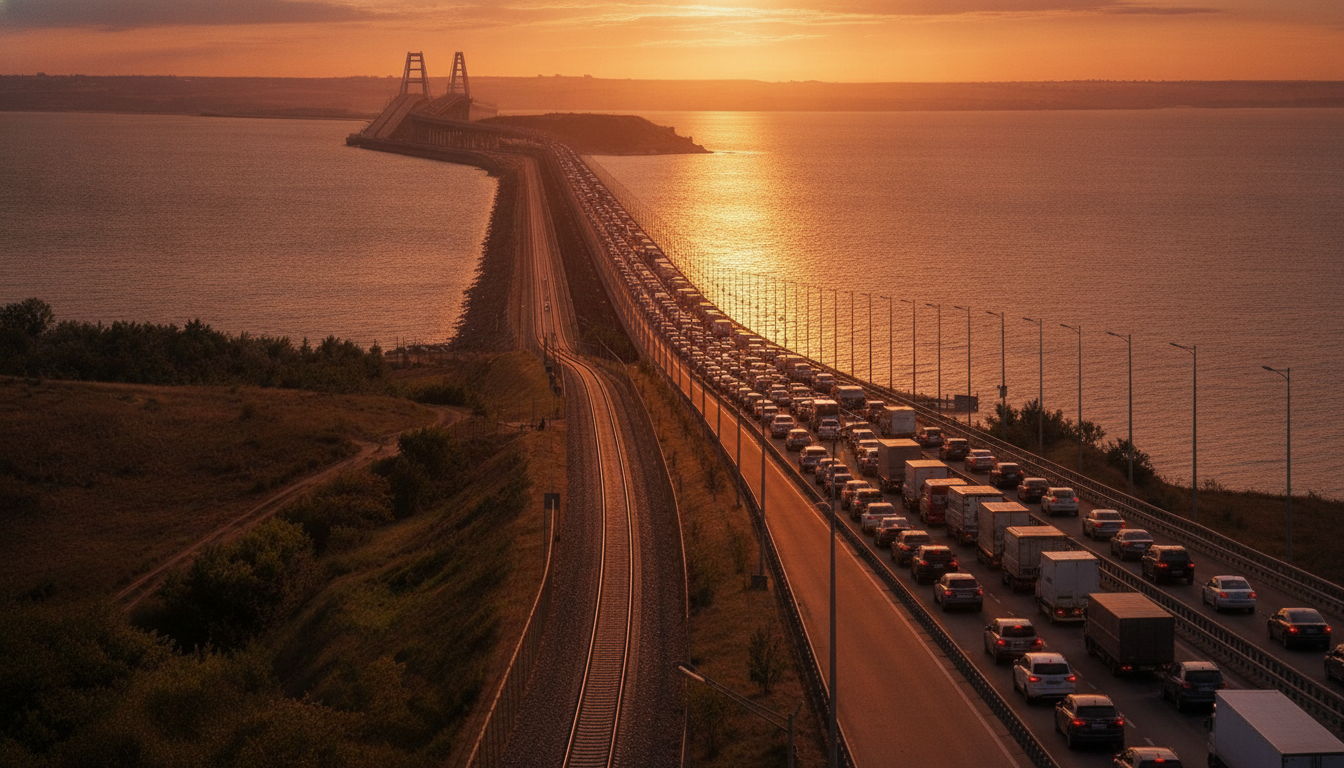
On the Kerch Bridge—the only road link out of Crimea—daily traffic jams stretch up to 15 kilometers, with roughly 3,000 vehicles stuck in line. Fuel shortages have also forced cuts to bus services. Trains still operating now only run as far as Kerch, and the number of available routes has dropped to seven.
Crimean Tatar activist Akhtem Chiygoz remarked: 'pack your bags—station—Russia. Let them find their own way out.'
He stressed that the current situation is a direct outcome of the prolonged occupation. Chiygoz urged people to leave the occupied territories, stating: 'It started with Crimea—it must end with Crimea.'
The situation on the peninsula highlights the complex reality of occupation, where growing resistance from Crimean Tatars and the mass exodus of Russians point to mounting socio-political tensions. The emergency declaration by the occupying authorities signals serious internal problems that could have far-reaching consequences for the region. As uncertainty grows, residents of Crimea face new challenges that threaten their daily lives and safety.
Read also
- Zelensky and Top Military Command Outline Response Plan to Russian Strikes
- EU's New Sanctions Package Targets Crypto Platforms Used to Bypass Restrictions
- New directives for Ukraine's National Security and Defense Council: Zelenskyy assigns tasks to Umerov and Klymenko
- Ukraine Extradites Former Lawmaker Demchak in Major Push to Bring Back Suspects
- EU Adopts 21st Sanctions Package Against Russia: What the New Restrictions Target
- Lithuania Accuses EU Nations of Undermining Sanctions for Their Own Economic Gain