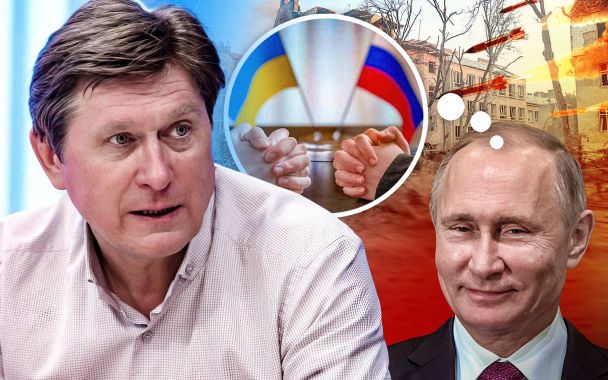
Fesenko: The territorial agreement with Russia will lead to a deadlock.

According to ТСН: The territorial issue remains a serious obstacle to the implementation of any peace plan. Uncertainty regarding the status of the annexed territories may drive negotiations into a standstill.
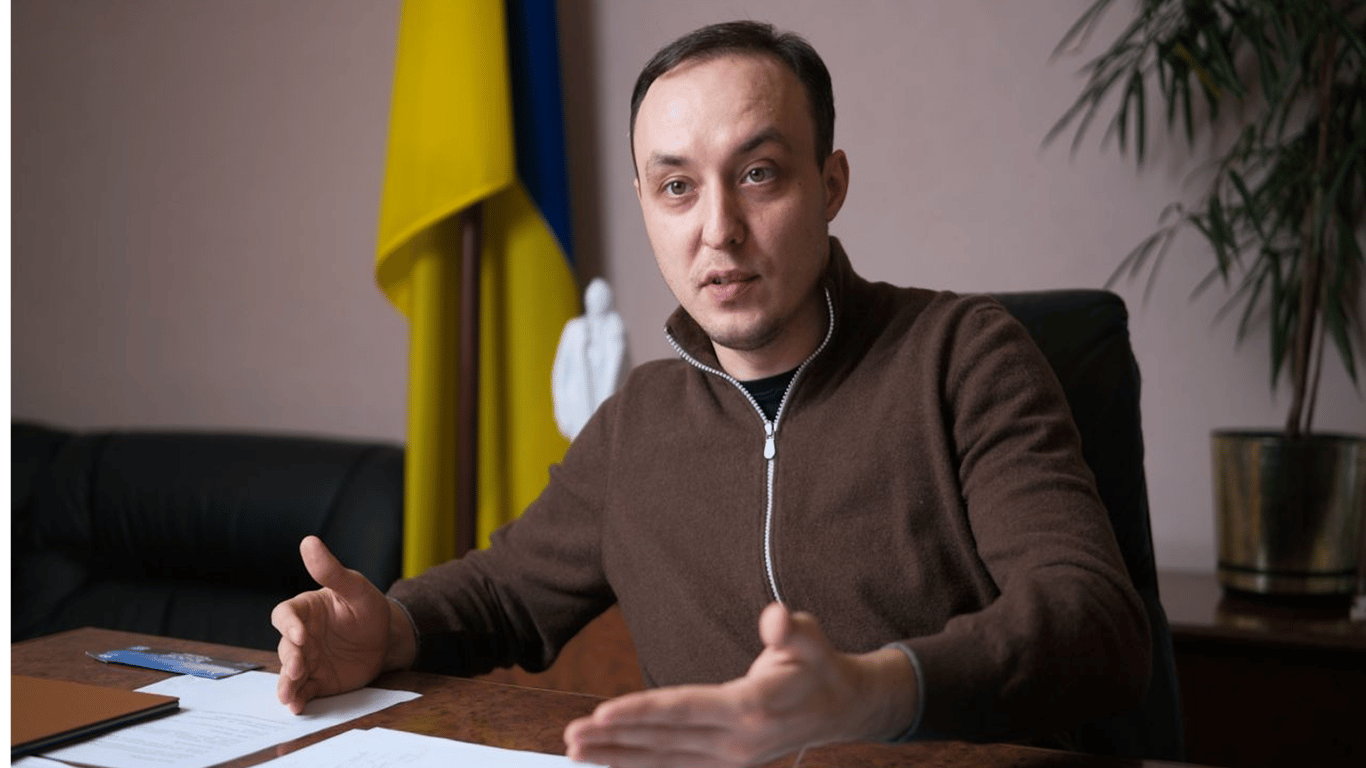
This opinion was expressed by political scientist Volodymyr Fesenko in an interview with the publication.
Territorial Deadlock
The expert notes that current conflict resolution models attempt to avoid the most acute issues. Meanwhile, the status of these territories is a "time bomb" for any agreements.
"But the key question, regarding which there is no compromise and will not be even theoretically, is the territorial issue. And this is not only Donbas. In this regard, there is no provision at all about the status of Ukrainian territories annexed by Russia," emphasized Fesenko.
The political scientist emphasizes that the Kremlin's demands are categorically unacceptable for Ukraine, as Russia is trying to achieve what it couldn’t gain on the battlefield through diplomacy.
"Putin stated that we need to recognize five regions. He wants Ukrainian troops to withdraw from both Kherson and Zaporizhzhia. What they failed to capture militarily, they want to obtain politically," he explained.
According to Fesenko, if territorial concessions become a condition for a ceasefire, "there will be no peace agreement."
The Minsk Error and the Priority of Ceasefire
Analyzing the proposed peace initiatives, Volodymyr Fesenko warns against repeating the unsuccessful experiences of previous years. It is emphasized that stopping combat actions should be the beginning, not the culmination, of the process.
"In fact, the ceasefire is the main thing. All peace agreements start with a ceasefire agreement, not end with it," believes the expert.
He adds that the current logic of peace plans may prove unviable.
"If the ceasefire is at the end, as is currently planned, this will be a repetition of the mistakes of the Minsk agreements. It will be the same now — it will not work," noted Fesenko.
The Role of the USA and the Position of the Kremlin
Fesenko also emphasizes the discrepancies between the American approach, which is based on fixing the "status quo," and Moscow's real intentions. He skeptically assesses Vladimir Putin's readiness for a genuine end to the war, considering Russia's current statements an element of political bargaining.
Commenting on rumors about secret agreements between Washington and Moscow, the expert remarked:
"Whether these agreements existed — we do not know. The American side does not confirm this, but at the same time is trying to promote something."
In Fesenko's opinion, the only viable scenario may be a phased model of de-escalation, where a ceasefire occurs simultaneously with discussions on other points of the agreement.
It should be noted that Moscow is studying a peace plan submitted by Putin's special envoy Kyrylo Dmytriiev. Further steps depend on the President of the Russian Federation.
Earlier, it was reported that a new version of the peace plan was discussed in the USA between the Ukrainian and European delegations.
Thus, the situation at the negotiations remains tense, and it seems that resolving territorial issues will become a key element for achieving a stable peace. Further actions by both Ukraine and Russia may significantly affect the course of the peace process, and uncertainty only intensifies this complex dynamic.
Read also
- For the First Time Ever: Russian Vessel Carrying Grain from Occupied Lands to Be Handed Over to Ukraine
- Nuclear Weapons Use by 2050 Predicted by Russian Strategists: Report Insights
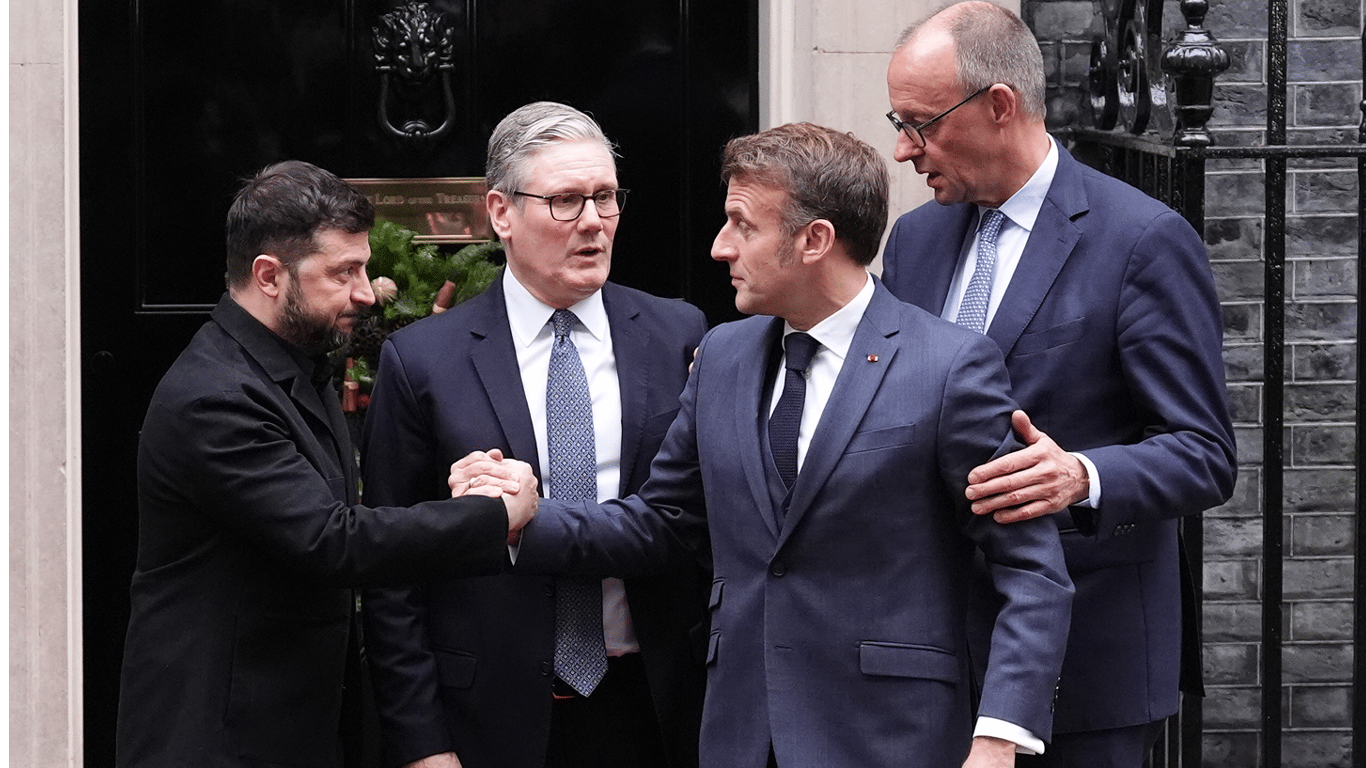
- London Summit: Zelenskyy and European Leaders Map Out Negotiation Strategy with Russia
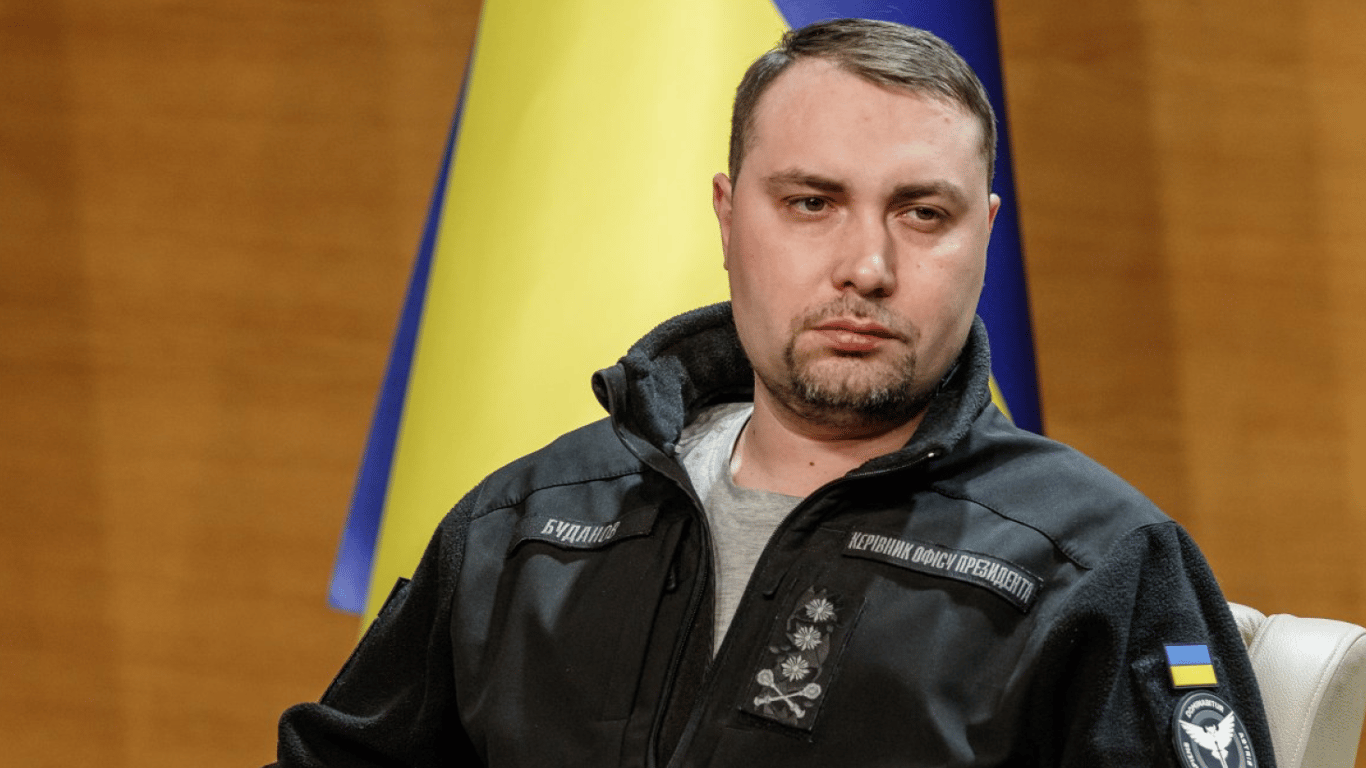
- Budanov Calls Kakhovka Dam Destruction an Act of Ecocide That Demands Accountability
- Virginia Supreme Court Overturns Redistricting Plan—What Comes Next
- Kyrylo Budanov to Lead New Presidential Advisory Council: Its Mission Explained