Middle East Conflict Puts Ukraine's Fuel Supply at Risk of Shortage.

How the Conflict Could Impact Ukraine's Fuel Market
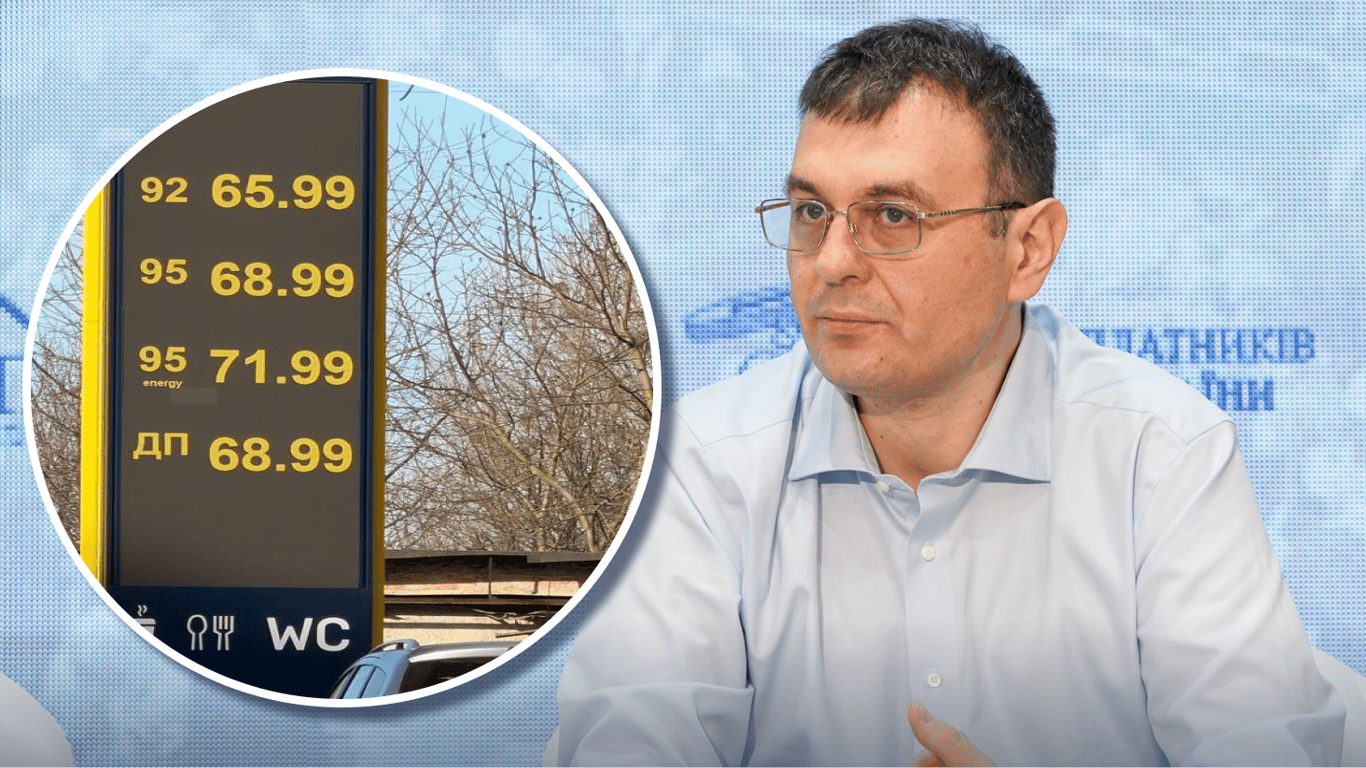
According to Novyny.live: The ongoing conflict in the Middle East poses a significant threat to Ukraine's fuel market. In a post made on Saturday, March 7, Danilo Hetmantsev called for preemptive measures to prevent a potential shortage of petroleum products in the country. He noted that the hostilities in the region have persisted longer than initially anticipated, which could have serious repercussions for the global oil market.
Potential Consequences for Ukraine
A potential blockade of the Strait of Hormuz, a crucial global oil transit route, could lead to a reduction in oil extraction. Hetmantsev warns that if the strait is blocked, producers could only sustain extraction for about 25 days. This raises concerns about a possible shortage of fuel and lubricants in Ukraine as early as this spring. The price of A-95 gasoline could rise by 2 hryvnias, and diesel could exceed the 70 hryvnia mark, although the likelihood of it surpassing 80 hryvnias remains low. This situation is particularly challenging for Ukraine, which is already managing the economic pressures of its own war with Russia.
Hetmantsev emphasized that 'the war in the Middle East continues. And, contrary to initial forecasts, a quick military resolution or diplomatic settlement of this conflict has not occurred.'
He also stressed the necessity of responding to new risks: 'Under no circumstances should new risks be ignored. They are very serious. To prevent problems, we need to react in advance.'
Among the proposed measures to avoid a fuel shortage in Ukraine are:
- Securing long-term contracts for the supply of petroleum products;
- More active involvement of major market operators, including the company 'Ukrnafta';
- Creating strategic fuel reserves;
- Placing reserves in neighboring partner countries.
These steps could help the country prepare for potential difficulties related to fuel scarcity amid growing geopolitical risks.
Rising geopolitical tensions in the Middle East could have far-reaching consequences not only for Ukraine but for the global oil market. In times of instability, fuel-importing nations must be prepared for potential changes in resource prices and availability. Adopting the preemptive measures suggested by Hetmantsev could significantly mitigate risks and ensure the stability of Ukraine's fuel market.
Read also
- Asian gasoline imports mark Russia's fuel crisis spanning 11 time zones
- Missile Strikes Reshape Housing Demand: Ukrainians Increasingly Look to Relocate Westward
- Ukrainian Flour Exports to the EU Surge 119-Fold: What Drove the Growth
- Russia’s Weekly Revenue Losses Top $1 Billion After Ukrainian Drone Strikes on Maritime Routes
- 50% Tariffs Imposed by Trump on Canadian Goods: Automobiles, Alcohol, and Dairy Hit Hard
- Cotton Shortage Hits NATO Gunpowder Supply: Europe Rushes to Scale Up Production