Contract Soldiers in Ukraine’s Armed Forces Can Now Leave Service: How to Secure Your Chance.

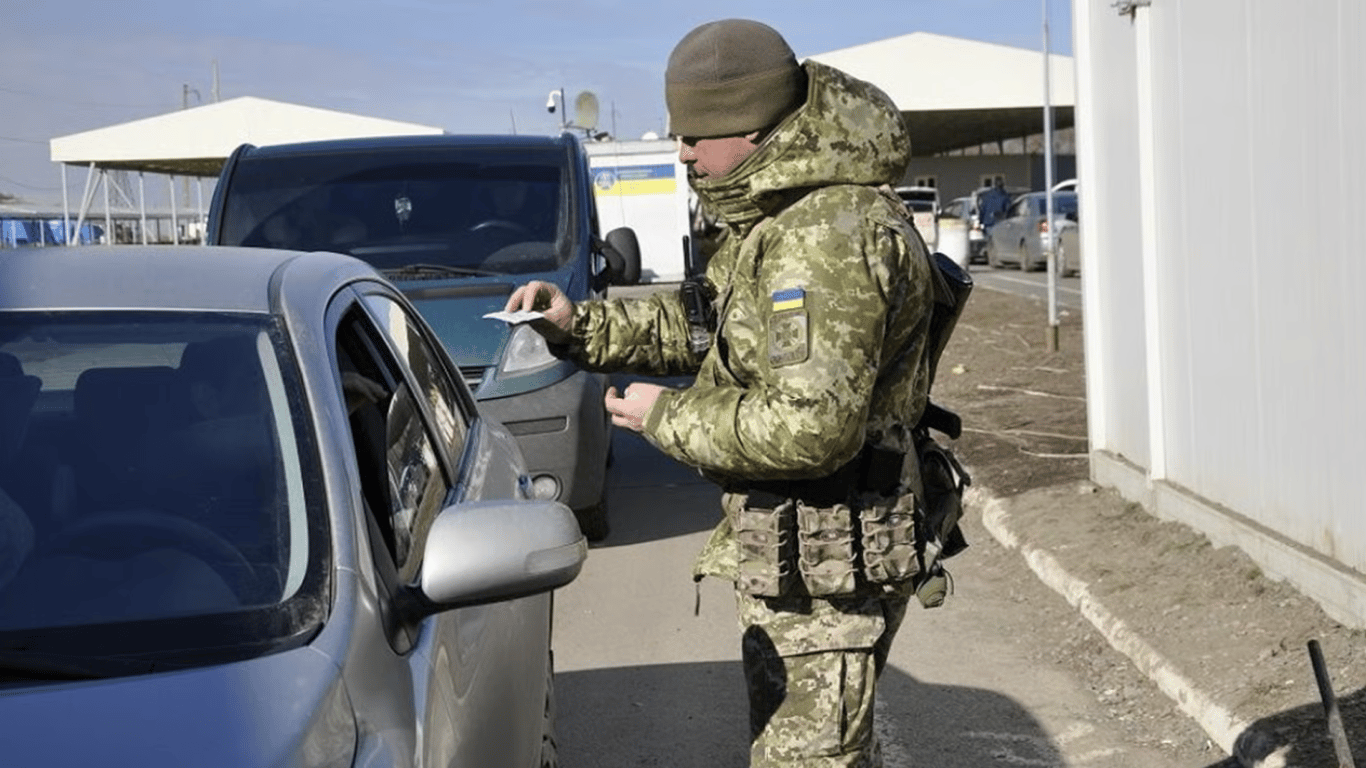
Discharge Options for Ukrainian Military Personnel After Contract Expiration: Key Details
According to Novyny.live: Service members who signed contracts with the Armed Forces of Ukraine (AFU) after the full-scale war began are entitled to leave once their contract term ends—but only if they submit a formal request on time. However, traveling abroad without an official deferment remains impossible. This issue has become a major topic of discussion among troops and their families.
Under current regulations, military personnel can be discharged upon expiration of a contract signed after the war started. To exercise this right, they must file a report stating their intention not to renew the contract at least one to two months before its end date.
Olena Ponomarenko stated: 'You have the right to discharge upon contract expiration. But automatic release will definitely not happen.'
Restrictions on International Travel
It is also important to note that leaving the country during martial law is restricted. These limitations apply to military-liable individuals and conscripts over the age of 23. Being discharged from military service does not automatically grant permission to travel abroad, as Olena Ponomarenko also emphasized:
“Discharge from military service does not automatically provide grounds for crossing the border.”
To challenge a denial of exit, individuals must obtain a written 'Decision on Refusal to Cross the State Border of Ukraine.' This document can serve as a basis for further actions and appeals to relevant authorities.
In short, service members planning their discharge need to be fully aware of all requirements and procedures concerning their rights and options after their contract ends.
These aspects are critically important for military personnel, as they affect post-service plans. A clear understanding of discharge and travel procedures can help prevent misunderstandings and legal complications. Amid a prolonged war, such issues carry special weight for those still serving, since they must avoid potential pitfalls when transitioning back to civilian life.
Read also
- New Crayfish Fishing Rules and Fines Take Effect in Ukraine Starting July 1
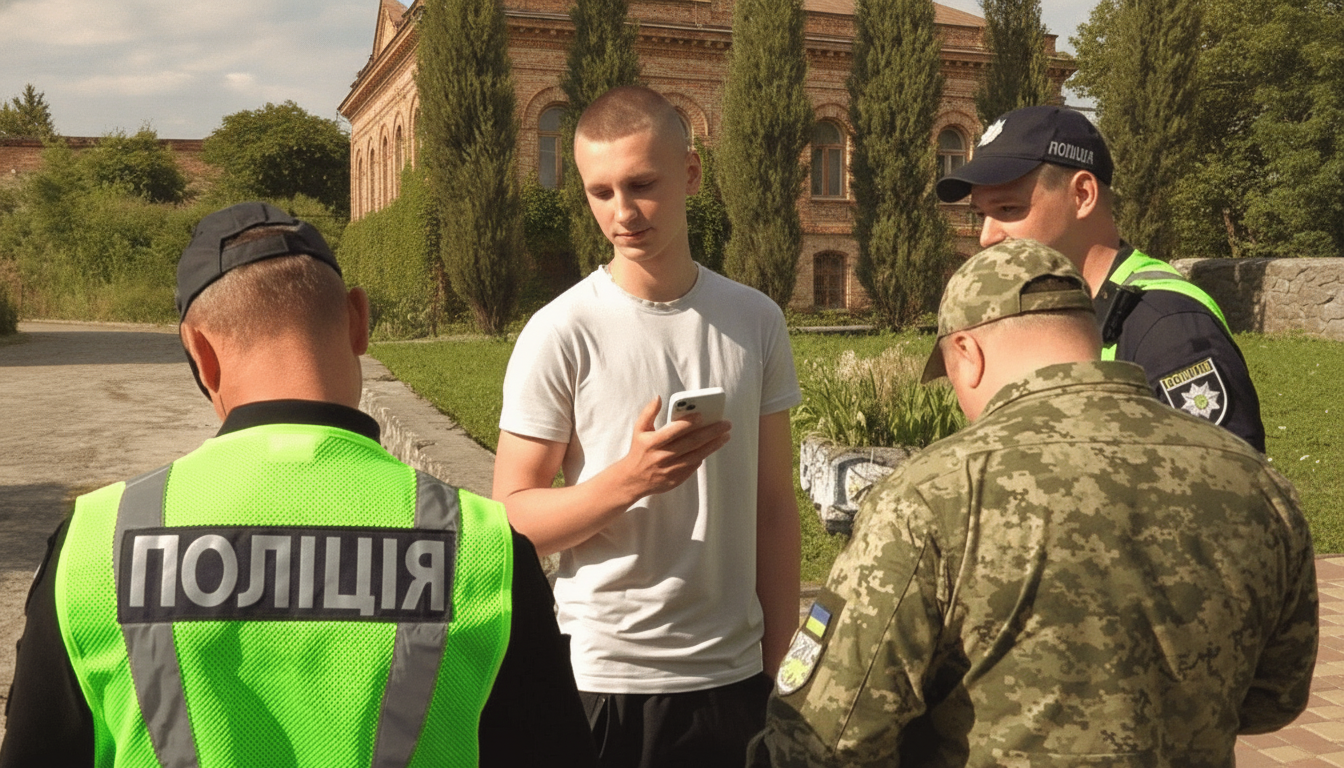
- Ukrainians Can Now Be Placed on Wanted Lists by Military Recruitment Offices: Three Key Reasons
- Constitution Day Car Rally in Odesa Honors Fallen Defenders Along Memorial Route
- Children, Women, and the Elderly Among Those Killed: National Memory Institute Head Addresses Exhumations in Poland
- Ukrainians Being Labeled 'Russian Soldiers' in Vienna Prompts Memory Institute to Organize Conference
- Child Support from Missing Soldiers: How Much Children of the Unaccounted Can Receive