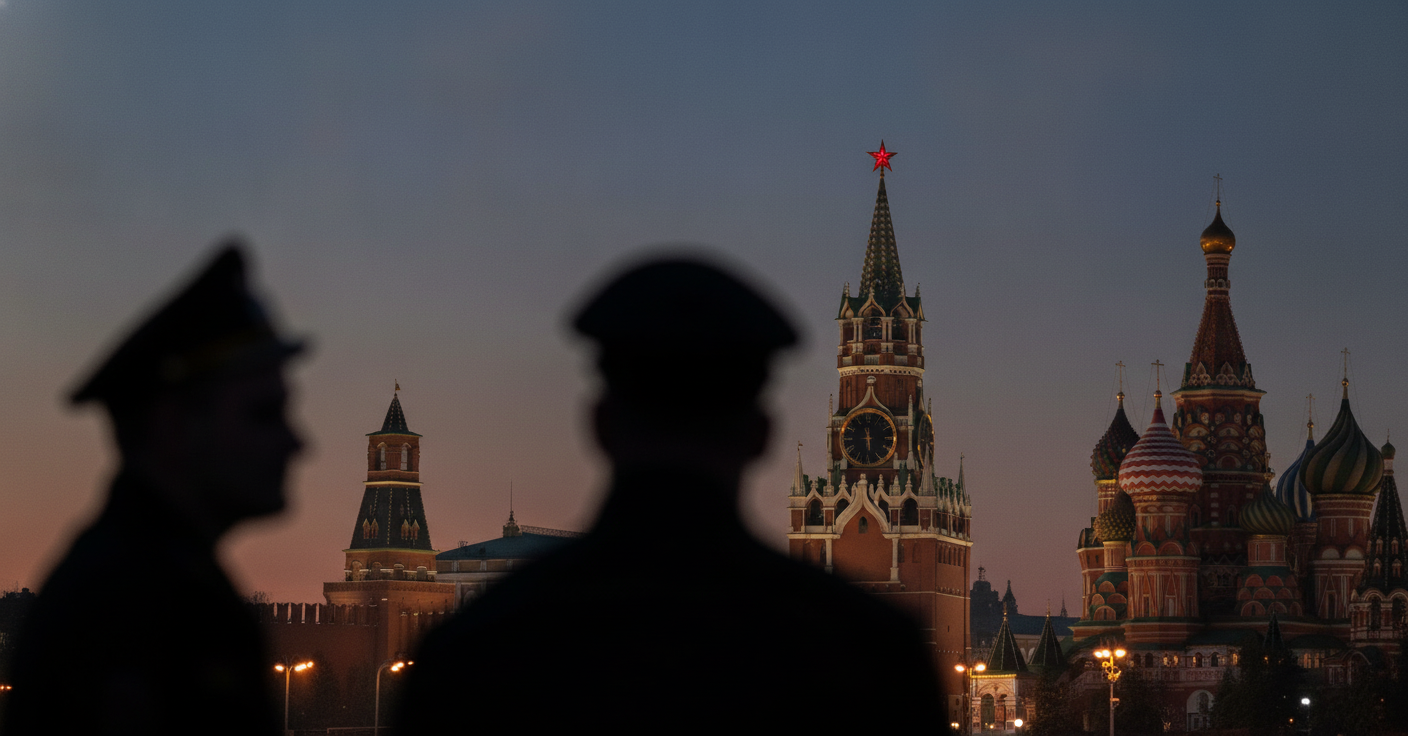
Kremlin's Nuclear Threats Return: Ukrainian Official Explains the Motives.

Anniversary Statements from the Kremlin
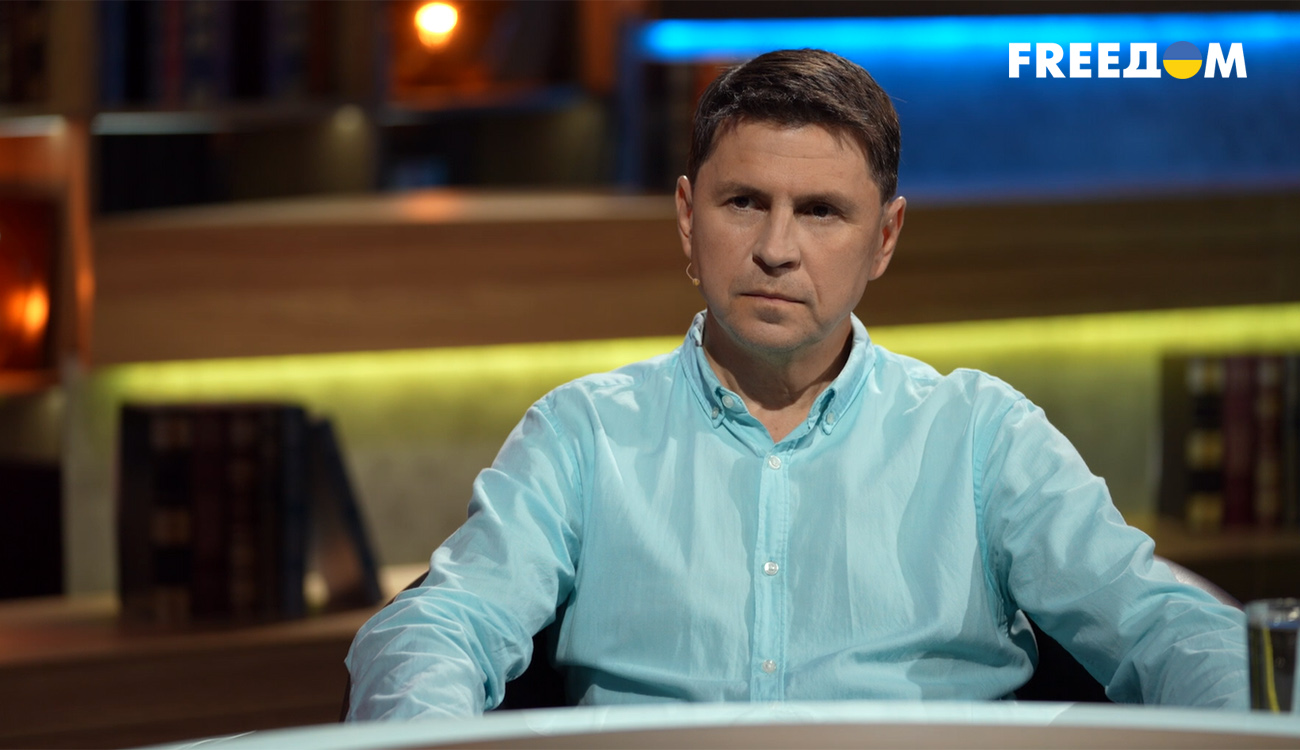
According to UATV: On the anniversary of Russia's full-scale invasion of Ukraine, marked on February 24, the Kremlin issued renewed statements concerning nuclear armament. Mykhailo Podolyak, an adviser to the Head of the Office of the President of Ukraine, commented on this rhetoric, stating it demonstrates the Kremlin's fundamental misunderstanding of the situation. He noted that such statements always follow a predictable pattern, indicating a hysterical and irrational type of information processing by Russian leadership.
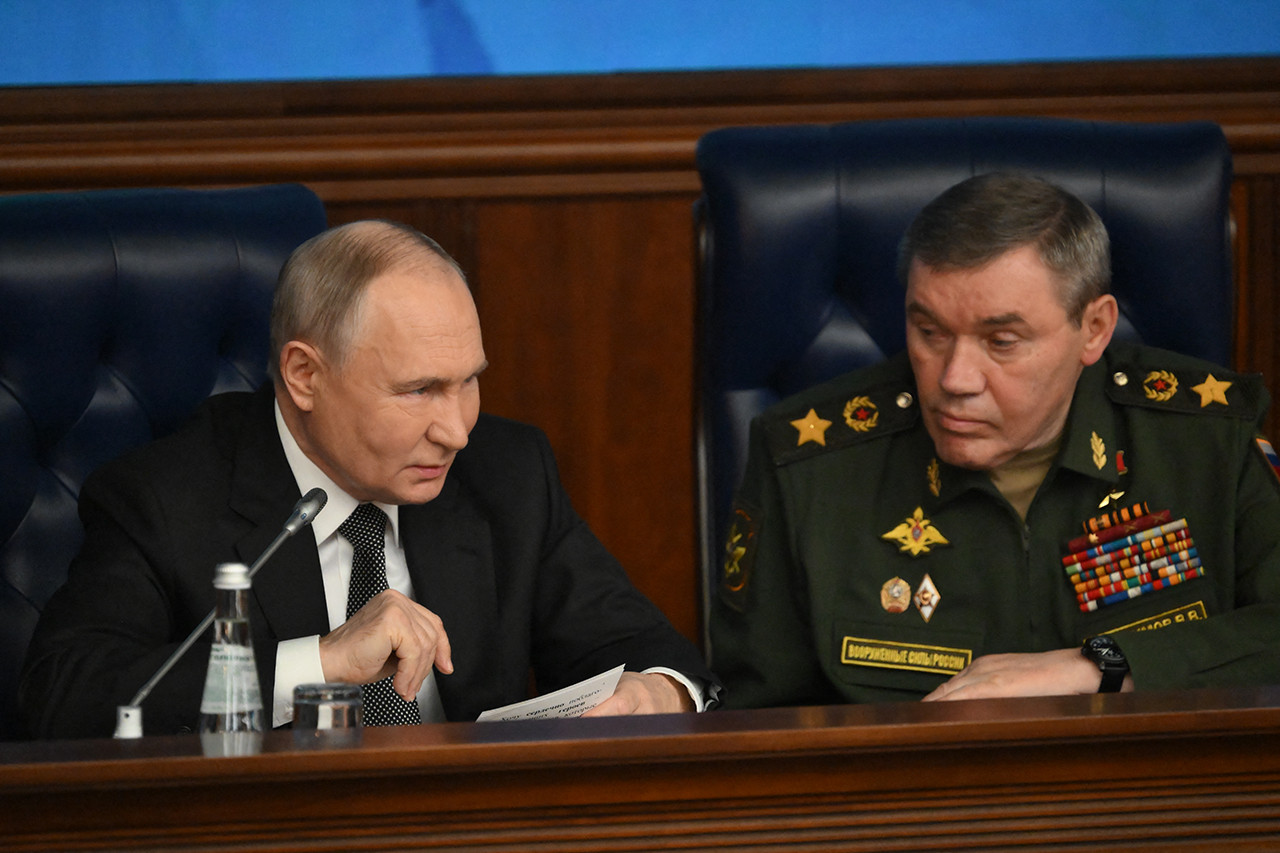
In his remarks, Russian President Vladimir Putin accused France and the United Kingdom of preparing to transfer nuclear weapons to Ukraine. According to Podolyak, these Kremlin outbursts are an attempt to manipulate the information agenda through 'primitive fake news injections.' He emphasized that such actions are evidence of Russia trying to divert attention from its own domestic crises with these symbolic gestures. This nuclear saber-rattling is a recurring tactic used when Moscow feels its conventional military campaign is faltering.
Economic Context and Kremlin Rhetoric
Against the backdrop of these threats, it is notable that Russia's economy is in decline while the country continues to use ballistic missiles in attacks on Ukrainian territory. Therefore, from the Ukrainian perspective, the Kremlin's rhetoric is not merely a reflection of internal politics but a deliberate attempt to distract from the severe real-world problems Russia is facing, including international isolation and military setbacks.
These Kremlin statements, made on the invasion's anniversary, signal a continued escalation of tensions between Ukraine and Russia. The position of the Ukrainian government reflects not only a pursuit of stability but also a direct response to the threats emanating from Moscow. The international community is closely monitoring these developments, as nuclear threat rhetoric carries serious potential consequences for regional and global security.
Read also
- Feigin Reveals Who Arranged Melnychenko's Interview and Why Russian Oligarchs Are Fleeing
- Putin’s Approval Rating Plunges to 66% as Russia’s Fuel Crisis Worsens
- Why Russia Sees Turkey as a Viable Negotiation Hub: Three Key Reasons
- Fuel Shortages and Rising Prices Drive Russians to Buy Foreign Currency in Droves
- CIA Director: Russian Soldiers Survive Only 30 Minutes on the Frontline
- Capital Flight from Russia: Why Billionaires Are Moving Assets Abroad