How to Protect Your Car from -20°C Freeze-Ups and Prevent Costly Damage.

Essential Winter Car Care: Preventing Freeze-Ups at -20°C and Below
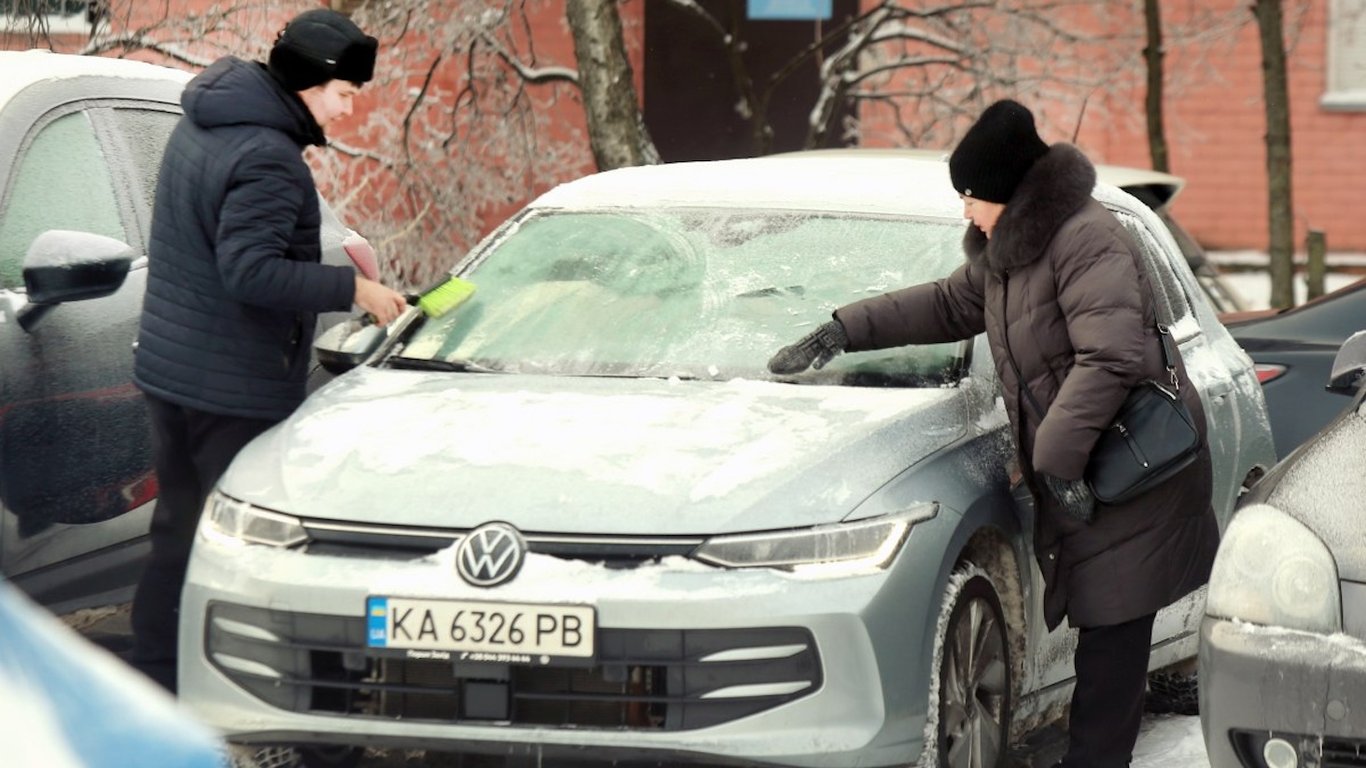
According to Novyny.live: When air temperatures plummet to -20°C or lower, the vital fluids in your vehicle are at risk of freezing, which can lead to serious and expensive mechanical failures. For drivers in cold climates, understanding which systems are most vulnerable is the first step toward taking preventative action and ensuring reliable winter operation.
How Extreme Cold Affects Your Vehicle
Technical fluids and fuel are the first components to be compromised by the cold. Most winter windshield washer fluids lose their effectiveness at -20°C, impairing visibility, and can freeze solid in the reservoir and lines by -25°C, disabling the entire system. Diesel fuel also reaches a critical point at -20°C, a crucial consideration for diesel vehicle owners.
The battery and engine oil are equally susceptible. The viscosity of 15W-grade motor oil increases significantly at -20°C, making the engine harder to crank. To avoid this, using synthetic oils with a 5W or 0W rating is recommended, as they ensure a safe start in temperatures as low as -30°C. Owners of gasoline-powered cars should also keep their fuel tank at least half full to prevent fuel line issues.
- Cooling systems and electronics are not immune to the damaging effects of severe frost.
- A high-quality antifreeze can remain liquid down to -35°C or -37°C, which is vital for the engine's uninterrupted operation.
- Modern electrified vehicles often have reduced resilience in deep cold, posing an additional challenge for their owners.
Overall, awareness of these critical temperature thresholds and proper vehicle maintenance during winter can drastically reduce the risk of breakdowns and ensure safer driving. As winter approaches, drivers should proactively prepare their vehicles for the season's challenges. This foresight helps prevent unexpected roadside emergencies and contributes to the vehicle's overall reliability and safety throughout the colder months.
Read also
- Google to Build America's Largest Solar Farm: 2.5 GW Facility to Power Data Centers
- Turn Your Old Phone Into a Smart Display: Inside the New ScreenWall Web Platform
- Speed Record Set by Bombardier Global 8000: Los Angeles to Farnborough in Just 8 Hours 46 Minutes
- A New Augmented Reality Platform Lets You Read and Build 3D Comics
- How Artificial Intelligence Is Unlocking Billions in Real Estate Value
- Ukraine’s Air Defense Gets a Boost: New 'Hot Dog' Drone Takes Down Over 300 Targets