Euro Hits 51.25 Against Hryvnia: Key Factors Shaping Ukraine's Currency Market.

Euro Rate and Key Interest Rate Decline
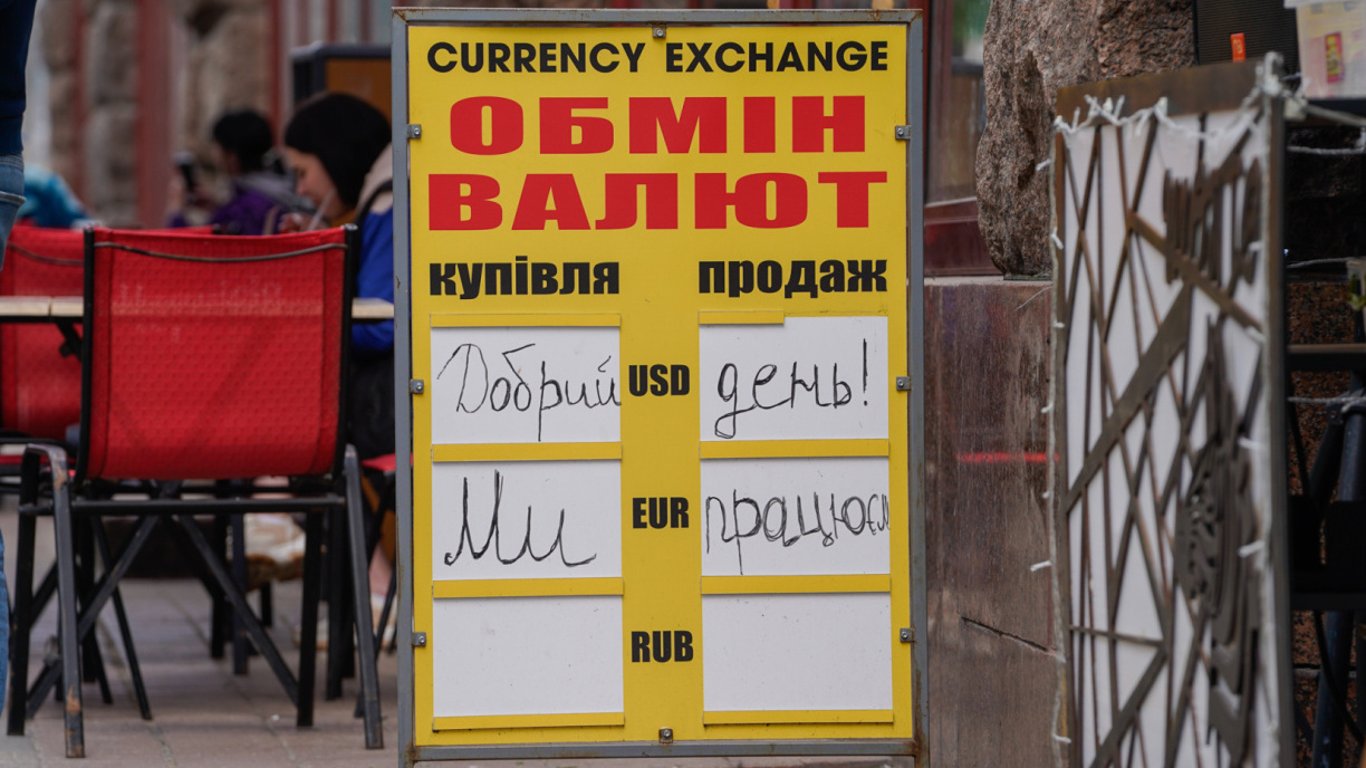
According to Novyny.live: In a significant move for Ukraine's financial markets in late January 2026, the euro's exchange rate fell to 51.25 hryvnias. This drop reflects broader economic trends, including the impact of US foreign policy on global financial markets. Concurrently, the dollar-to-euro ratio adjusted to $1.20 per euro, highlighting ongoing volatility in currency valuations. These shifts are closely watched as indicators of Ukraine's economic integration with global markets.
Separately, the National Bank of Ukraine reduced its key policy rate by 0.5 percentage points, from 15.5% to 15%, also in late January 2026. While this cut is intended to stimulate economic activity, it has raised concerns about potential pressure on the national currency's stability and future market adjustments.
Challenges in Exchanging Older Euro Banknotes
Further complicating the currency landscape are difficulties faced by Ukrainians trying to exchange older euro banknotes. Notes showing significant wear, tear, or damage can be particularly hard to exchange, and some may be rendered completely unusable, creating additional hurdles for citizens. This practical issue underscores gaps in the financial infrastructure for handling foreign currency.
According to financial expert Oleksiy Plotnikov, the currency market fluctuations are a reaction to US actions, specifically its tariff policies and perceived threats towards Latin America and Greenland.
This expert analysis underscores the interconnectedness of global economic events and domestic financial conditions in Ukraine. Given this dynamic, monitoring further currency market shifts and their impact on the country's economic situation is crucial.
The simultaneous decline of the euro's value and the central bank's key rate signals complex ongoing economic processes that could affect Ukraine's financial stability. The problems with exchanging old euro notes also point to a need for improved financial mechanisms within the country. In an environment of global economic uncertainty, tracking how the market responds to both external factors and internal policy decisions is vital, as these responses can significantly influence public welfare and the nation's overall economic climate.
Read also
- Russia Sets Record in Gold Sell-Off: What It Signals for the Economy
- Putin’s Economic Claims Exposed as Manipulation by Ukraine’s Disinformation Center
- Rheinmetall to Double Gunpowder Output: What This Means for Ukraine
- Azerbaijan Steps Up as Europe's Energy Alternative: Gas Deliveries to Germany Already Underway
- IMF Demands Utility Rate Hikes as Naftogaz Debt Surges 63%
- 12 Red Flags for Shell Companies Identified by Ukraine's Central Bank: Banks Ordered to Scrutinize Importers