France to Unveil Updated Nuclear Doctrine on March 2nd: Key Shifts and Implications.

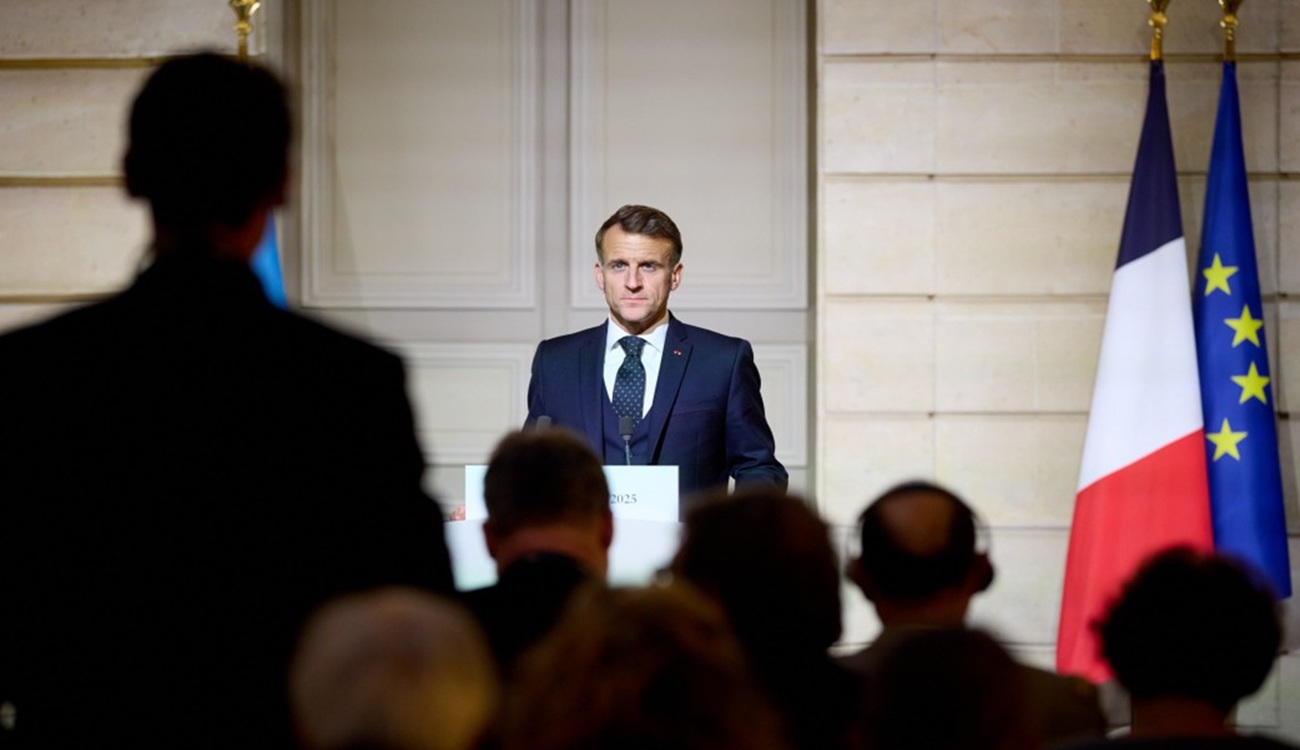
France's Updated Nuclear Doctrine Announcement
According to UATV: On March 2, 2023, French President Emmanuel Macron will announce a revised nuclear doctrine for the nation. This update is a direct response to shifts in the global strategic landscape, most notably Russia's war against Ukraine. The doctrine addresses current security challenges and reaffirms the critical role of France's nuclear deterrent within the broader context of European defense. France maintains the continent's sole independent nuclear arsenal, a status that grants it significant influence in European security debates.
According to the new doctrine, France's nuclear arsenal will remain under exclusive national command and control. President Macron has explicitly stated that this force is not intended to supplant the protective roles of NATO or the United States.
'France's nuclear arsenal remains under national control and is not designed to replace the role of NATO or the United States.' — Emmanuel Macron
Macron also highlighted the serious consequences of the war in the Middle East for international peace and security. This underscores the importance of discussing how France's nuclear capability contributes to stability in Europe, especially amid growing threats from aggressive states. The announcement of this new doctrine represents a significant step in shaping France's defense strategy for the contemporary world.
A Response to a Shifting Geopolitical Landscape
France's new nuclear doctrine is a reaction to profound changes in the geopolitical environment, particularly Russian aggression, which has prompted many European nations to reassess their defense postures. This move emphasizes the enduring importance of nuclear deterrence in an era of rising threats, while also demonstrating France's intent to preserve its strategic autonomy. It seeks to balance this independence with the nation's unwavering commitment to its partnerships within NATO and with the United States.
Consequently, the announcement of this revised doctrine could become a pivotal element in shaping the future architecture of European security.
Read also
- EU Adopts 21st Sanctions Package Against Russia: What It Means for Oil and Banking
- Zelensky Warns of Black Sea Grain Corridor Blockade as Ukraine Calls UN Security Council Meeting
- EU sanctions on Russia slow down as member states prioritize economic interests
- A 35-Minute Manila Meeting Between Rubio and Lavrov Puts Ukraine War at the Center of Talks
- Latvia Moves to Ban Imports from Russia and Belarus: Here's What Will Be Blocked
- Poland Faces Thousands of Daily Cyberattacks from Russia, Deputy PM Calls It Hybrid Warfare