France to Bolster Nuclear Arsenal Amid Middle East Tensions with Iran.

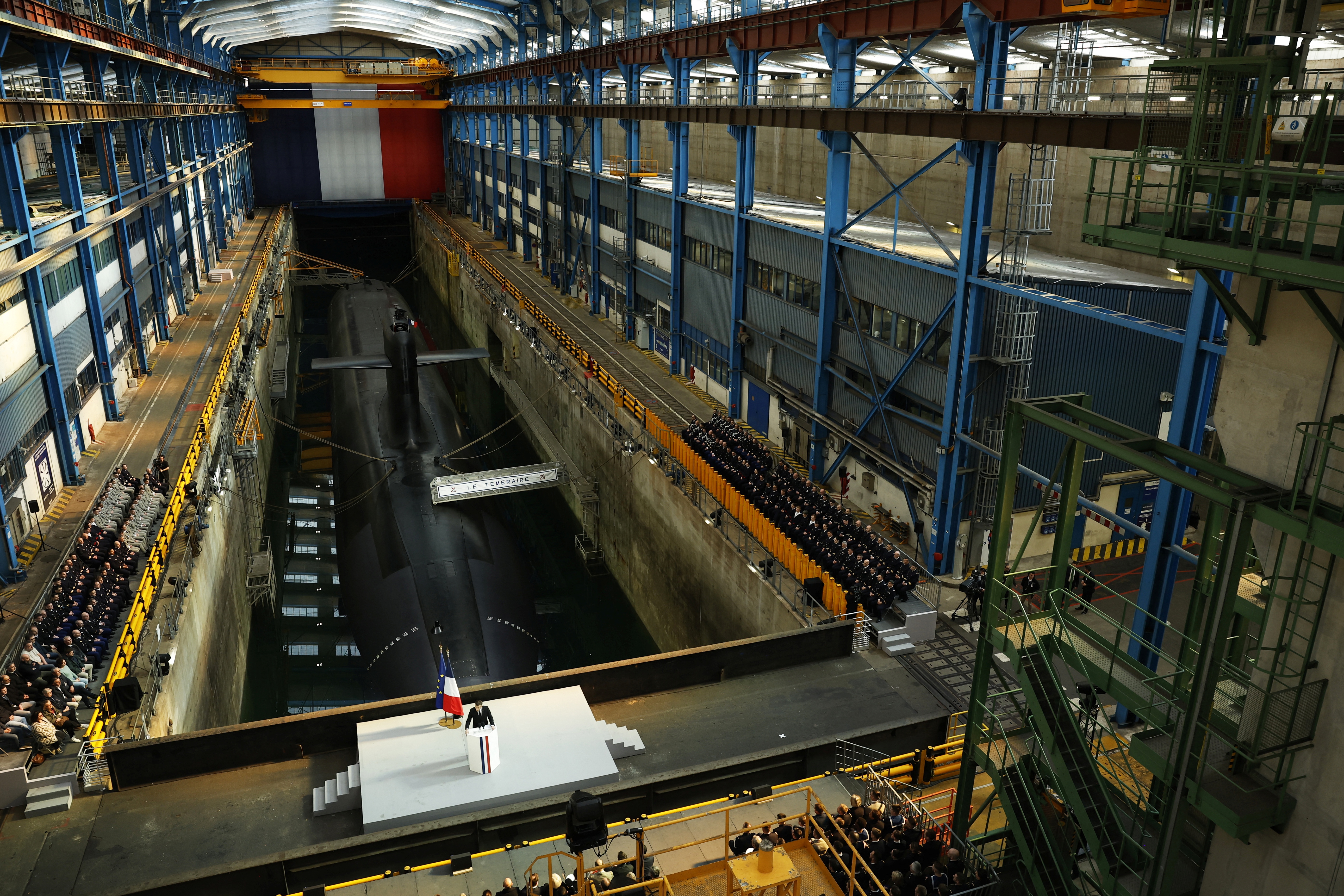
France's Nuclear Buildup
According to Vox - Загальний: President Emmanuel Macron has announced plans to expand France's nuclear arsenal, which currently consists of 300 warheads. This strategic move comes in response to escalating conflict involving Iran, where U.S. and Israeli strikes have targeted a nation that has pursued nuclear state status without weaponizing its program. Macron observed that Europeans have grown accustomed to having their security dictated by rules set by others, a dynamic he seeks to change. This development underscores a significant shift in European defense posture, independent of traditional alliances.
In reaction to the strikes on Iran, France, along with other European powers like the United Kingdom, has repositioned military assets closer to the Middle East. While Iran has not developed a nuclear weapon, its uranium enrichment program has long been a source of international concern. The issue of nuclear proliferation remains critical globally, particularly since Kim Jong-un's rise to power in North Korea in 2006, the year the country first tested a nuclear device. North Korea is now estimated to possess approximately 50 nuclear warheads.
A Complex Geopolitical Landscape
The complexity of the situation was highlighted by a former head of Iran's nuclear program, who stated:
“It’s like having all the parts to build a car: we have the chassis, engine, transmission, everything.”This analogy underscores the latent potential for rapid escalation and the precarious balance in the region.
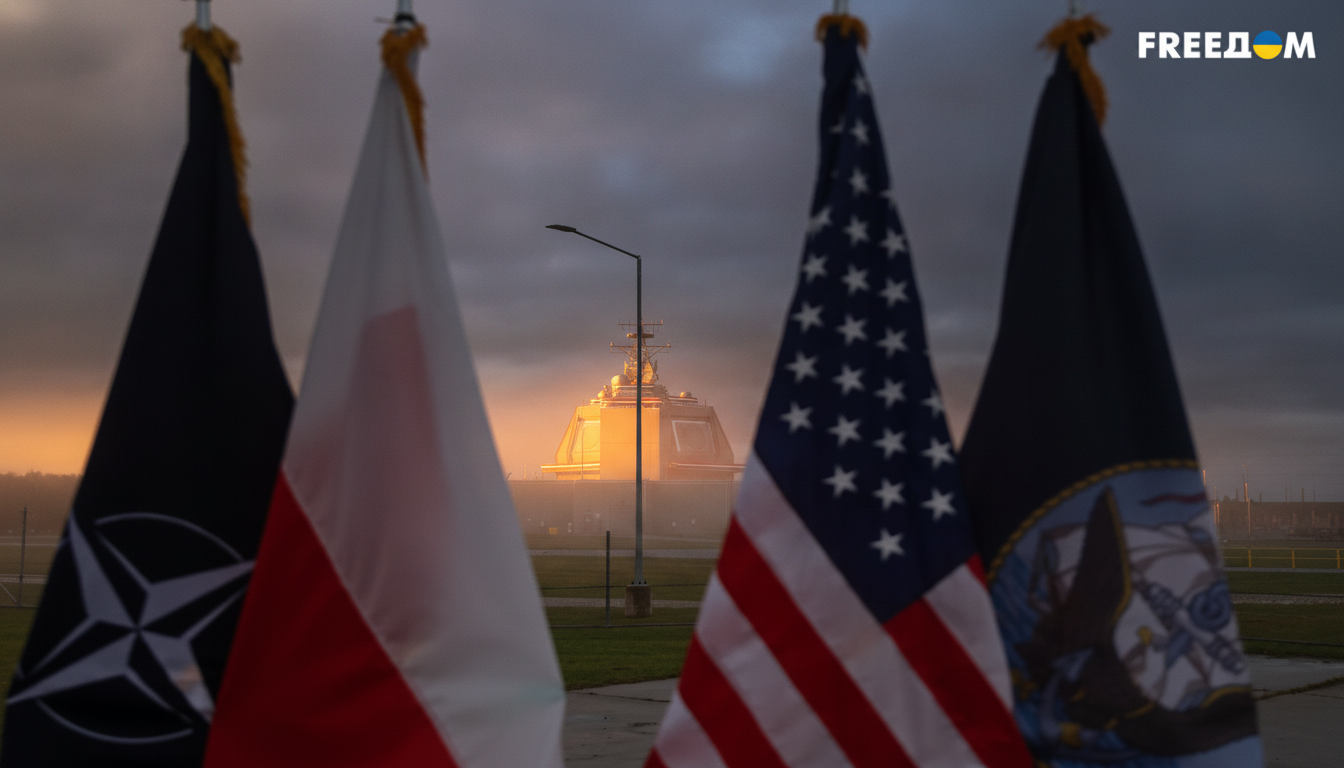
Within the broader context of global security, nations like France and Poland are among those with the potential to enhance their nuclear capabilities. Concurrently, discussions about potential military interventions in other countries persist, a topic frequently emphasized by former U.S. President Donald Trump in his public statements. The overall situation remains volatile, and the future actions of these states could profoundly impact international stability.
France's decision to strengthen its nuclear deterrent signals a recalibration of security strategies in the face of rising Middle Eastern tensions. This move may be interpreted as a signal to other nations seeking to bolster their own defensive postures in an unstable world. Furthermore, such actions are likely to reignite debates on nuclear non-proliferation and global security frameworks, as states reassess risks and opportunities against the backdrop of contemporary threats.
Read also
- Trump Endorses Sanctions and PAC-3 Licenses, Signaling a US Policy Shift on Ukraine
- Ukraine Secures Patriot License as Lockheed Martin Unveils $2 Million Missile
- Trump Urges Congress to Combine Russia and Iran Sanctions Into One Bill
- Russia Offers to Mediate Between the U.S. and Iran
- Fresh U.S. Strikes Target Iran After Two American Soldiers Are Killed
- Trump Urges Republicans to Include Iran in Russia Sanctions Bill