How 400,000 Nurse Practitioners Are Transforming Healthcare in the United States.

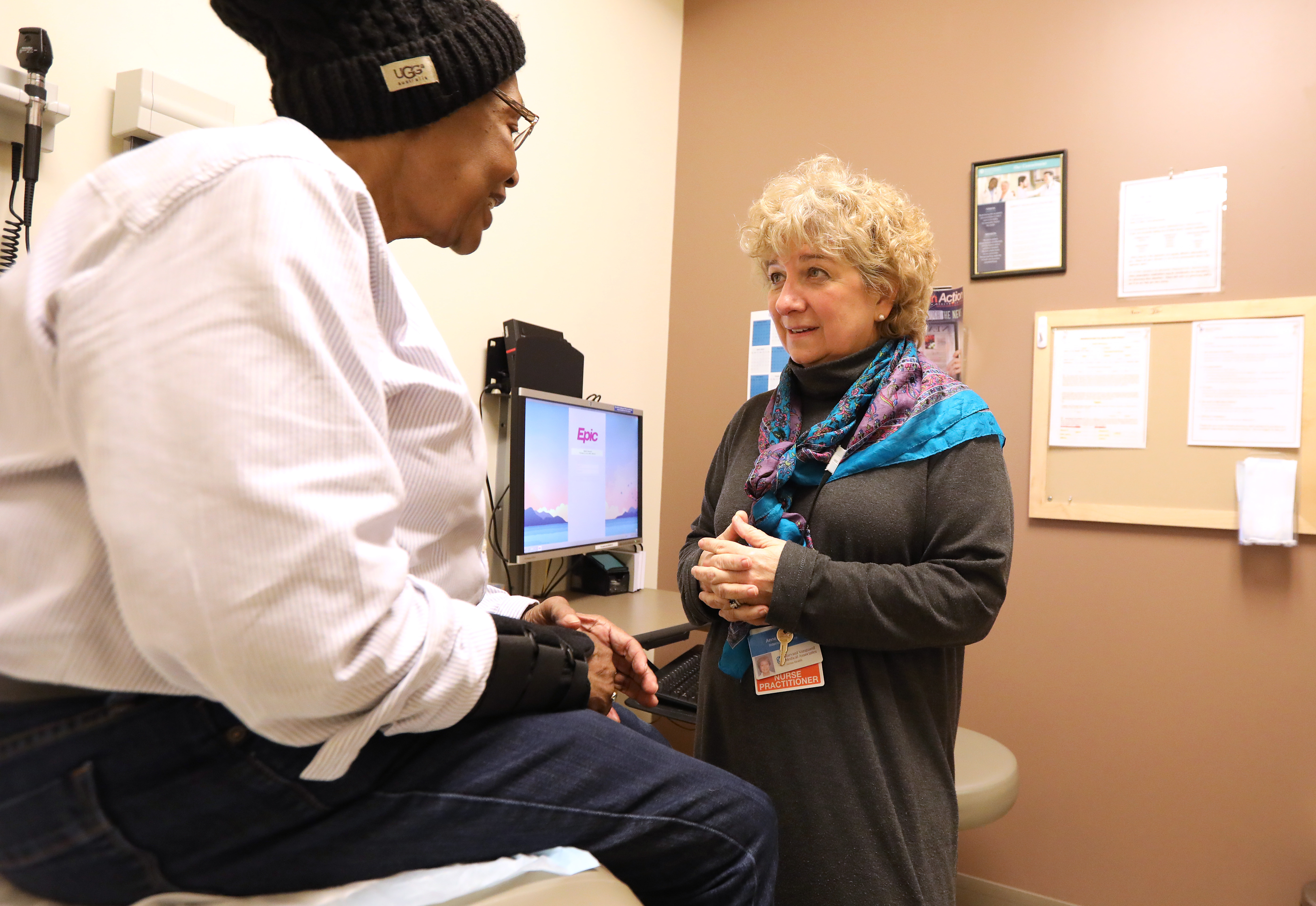
Transformation in the U.S. Healthcare System
According to Vox - Загальний: The American healthcare landscape is undergoing a significant shift, driven by a growing reliance on advanced practice providers like Nurse Practitioners (NPs) and Physician Assistants (PAs). This trend is a direct response to a persistent shortage of primary care and specialist physicians (MDs or DOs). Today, the United States is home to approximately 400,000 NPs, a dramatic increase from just 44,000 in 1999.
The Expanding Autonomy of Nurse Practitioners
The scope of practice for NPs has widened considerably. In the 1990s, only a handful of states granted them full autonomy to practice. Now, more than half of all states—27 in total—allow NPs to work to the full extent of their education and training under state law. This expanded authority enables them to respond more effectively to patient needs and increases access to care.
"Healthcare systems are facing workforce shortages everywhere. They just want warm bodies," says Monica O'Reilly-Jacob.
This quote underscores the critical role NPs and PAs play in filling gaps within the medical system. Mindy Marks adds, "We see large increases in prescribing behavior in states where NPs can participate in the market, compared to states where they cannot." The rise in the number of NPs and PAs is a strategic adaptation by a healthcare system striving to maintain service availability amid a chronic physician shortage. This evolution in provider roles reflects a pragmatic approach to meeting the growing demand for medical services across the population.
These systemic changes point to a fundamental evolution in the American healthcare workforce. Given the ongoing deficit of doctors, the increased autonomy and numbers of NPs and PAs can significantly improve both the accessibility and quality of medical care, particularly in underserved or rural regions. Consequently, this shift has the potential to alleviate the burden on physicians and enhance the overall resilience of the nation's healthcare infrastructure.
Read also
- Swimming Banned at Lake in Lviv Region After Infection Outbreak Hospitalizes 20 Children
- Mykolaiv Region Faces 20% Doctor Shortage: Officials Offer State Housing as Incentive
- U.S. Mortality Hits Historic Low as Life Expectancy Climbs to 79 Years
- G1 Geomagnetic Storm Forecast for July 4: What It Means for Ukraine
- What Science Reveals About Ultra-Processed Foods and Their Health Impact
- Heatwave Death Toll Rises: Record Mortality in France, Belgium, and the Netherlands as Ukraine Finally Cools Down