Meet the army of 30,000 'Nazi' raccoons rampaging across Germany... and why EU bureaucracy hinders efforts to stop the pests.

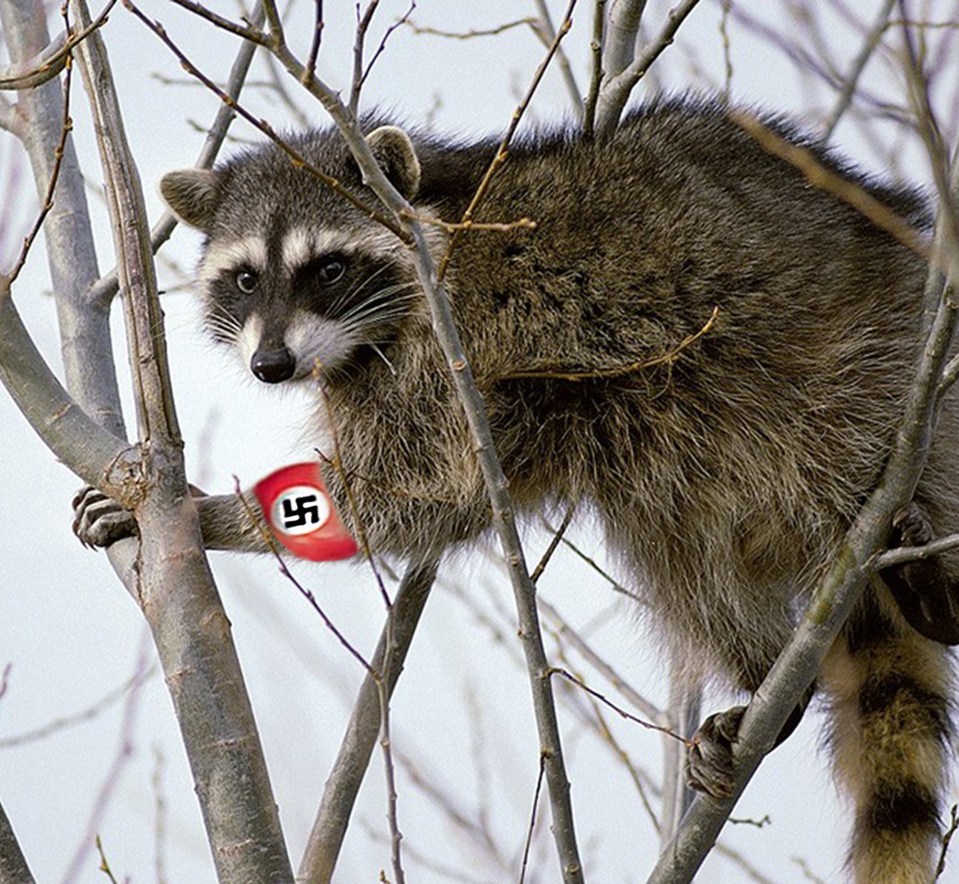
What threat do 'Nazi' raccoons pose in Germany?
According to The Sun: Germany is facing a serious problem with 30,000 'Nazi' raccoons that are causing damage in the cities across the country. The situation is complicated by bureaucratic barriers from the EU that make it difficult to tackle their population.
Newsflash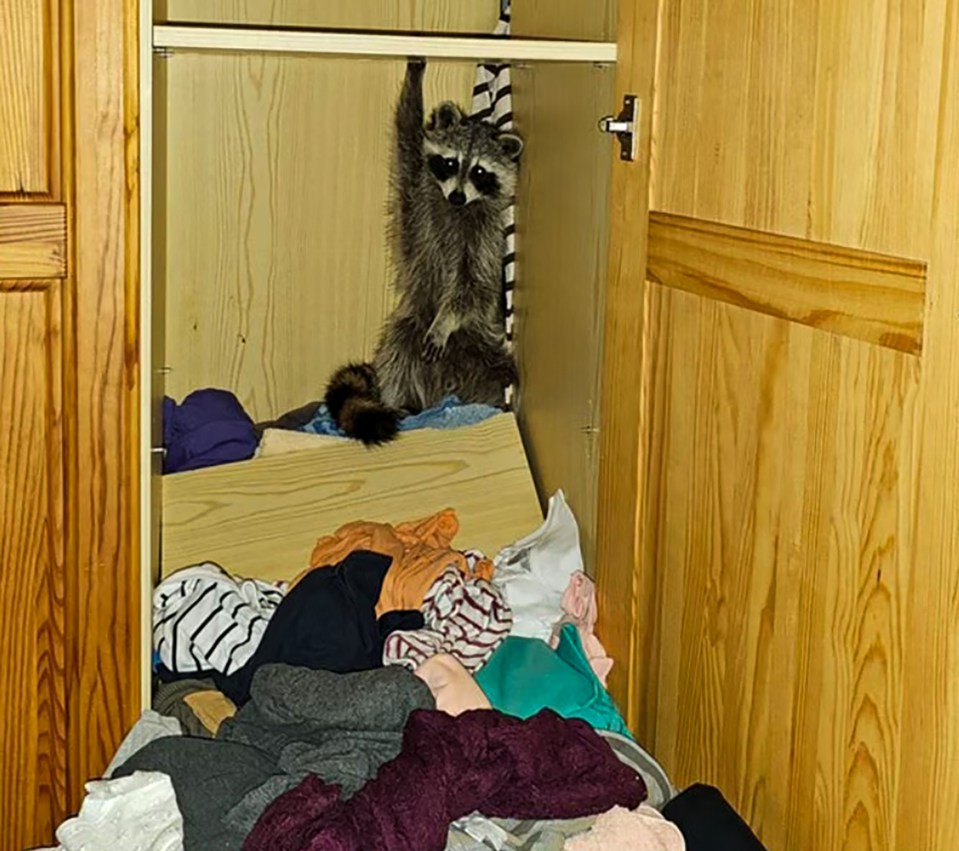 Newsflash
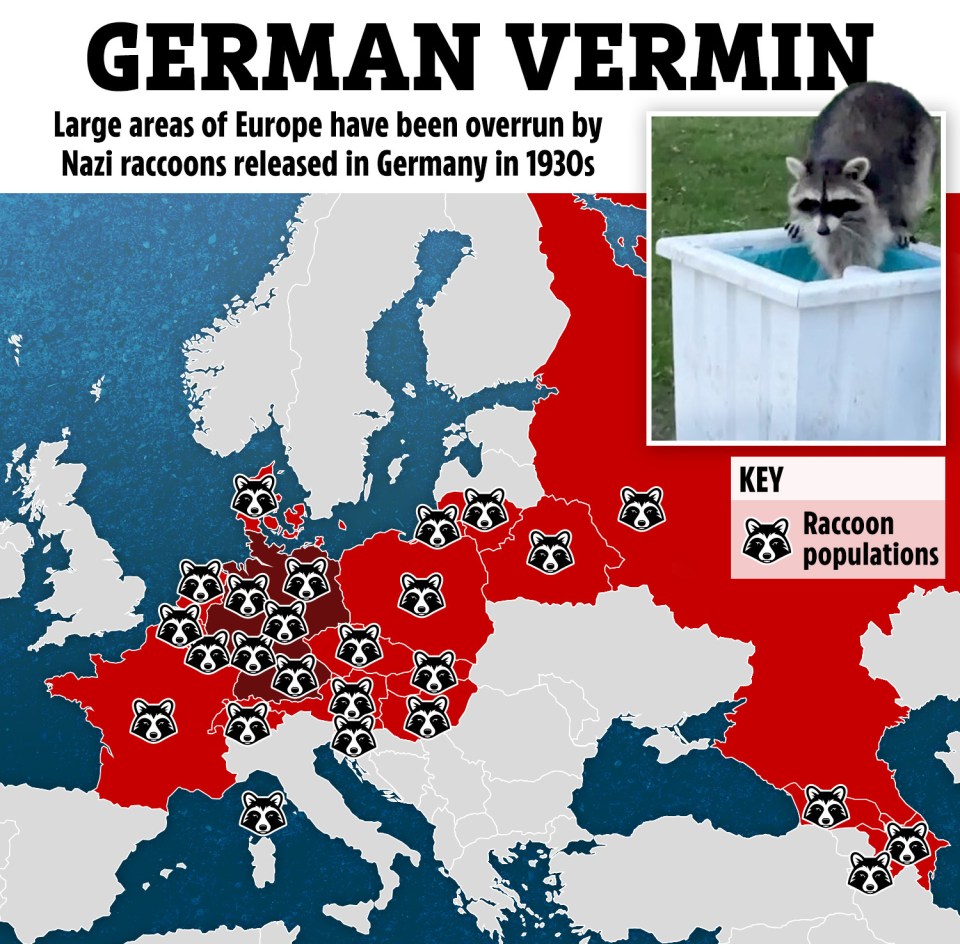
These raccoons, labeled accordingly, were first brought to Germany by Hermann Göring, the founder of the Gestapo, in the 1930s. He hoped to start a new fur industry, but after World War II, the raccoons escaped and spread across Europe, forming numerous colonies in Germany, France, Belgium, the Netherlands, and Italy. Today, their population exceeds two million.
Sterilization plans have failed
Officials in Kassel admitted that they are struggling to control these animals and attempted to implement a radical sterilization plan. However, the initiative, which began in early August, proved unsuccessful: only six raccoons were sterilized due to protests from hunters who deem the program illegal.
The EU views mass operations as experiments on animals, meaning organizers were required to obtain special permits, which had not been requested. Since sterilization involves anesthesia and surgery, it falls under strict regulatory guidelines.
According to EU regulations, raccoons are considered an invasive species, which means they need to be reduced or eradicated, rather than captured, operated on, and then released back.
Feeding costs and population problems
Residents of Kassel are forced to protect their homes as raccoons rummage through trash cans and destroy roofs. They are also involved in the destruction of frogs and other species that are endangered.
In one case, a crane operator in Berlin discovered a raccoon 40 meters high in his cab. Another woman in North Rhine-Westphalia found a raccoon on her clock tower after it destroyed her home.
A raccoon tries to reach a trash can in Kassel, Germany. TikTok / @d1va_anastasia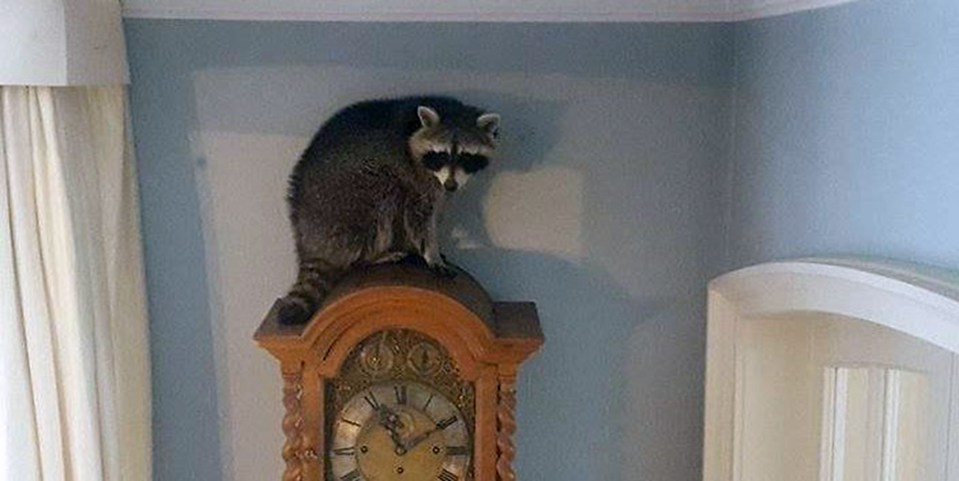 CEN
CEN
CEN
CEN
An official from Uzhhorod, Heiko Lemkul, remarked: “Completely eradicating raccoons from urban areas is extremely difficult. Our goal is merely to minimize conflicts with these animals.”
In Germany, the problem with 'Nazi' raccoons is becoming increasingly severe, as these animals not only cause damage to urban infrastructure but also affect the ecosystem. Local authorities are trying to find effective solutions for controlling their population, however, bureaucratic requirements and legal restrictions seriously complicate this work. Therefore, the situation remains tense, and a clear way out of this predicament is not yet in sight.Read also
- Armenia Launches Eagle Partner Drills Alongside U.S., France, and Greece
- 11 Russian Pipeline Infiltration Attempts Foiled by Ukrainian Forces, Prompting Tactical Shift
- Massive Russian Assault on Ukraine: 2 Missiles and 132 Drones Launched on June 16, Air Defenses Down 114 Targets
- Record drone losses for Russia as Ukraine eliminates 1,230 troops in a single day
- Russia Found Guilty of Violating Maritime Law Over Kerch Bridge by International Court in The Hague
- Russian Drone Engine Found in Lavra: Experts Confirm Deliberate Strike