Crimea Cut Off by Ukrainian Forces: Supply Chain Collapse Drives Russians Out.

The Current Situation in Occupied Crimea
According to Novyny.live: Ukrainian defenders are systematically severing supply routes to occupied Crimea, creating a severe logistical blockade. This has triggered a mass exodus of Russian civilians and is crippling Moscow's ability to launch missiles from the peninsula. According to available data, over 700,000 Russian citizens have illegally relocated to Crimea since the occupation began, but conditions there are rapidly deteriorating.
Logistical Breakdown and Demographic Shifts
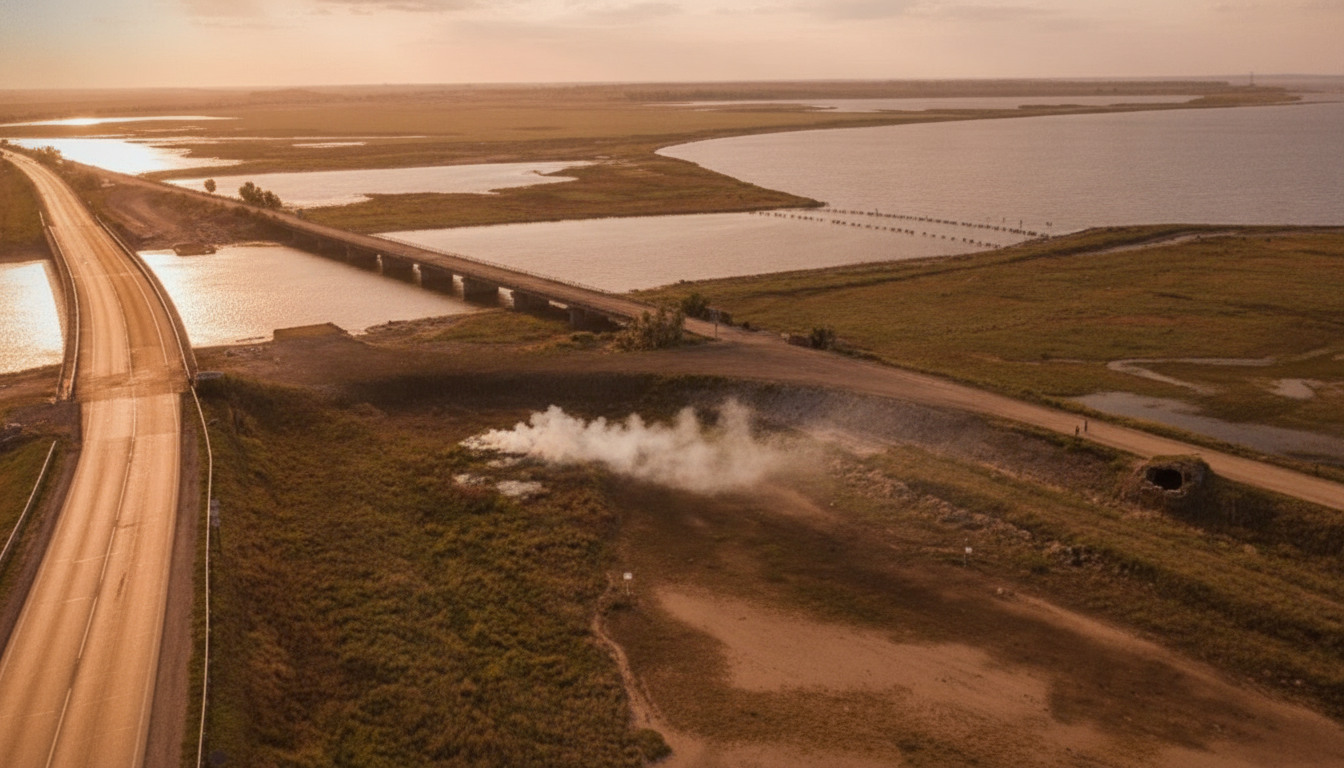
A major factor worsening the supply crisis is the destruction of road bridges near Chonhar and Henichesk, which has brought vehicle traffic to a standstill. By mid-June 2023, no car queues were observed at the entrance to Crimea, indicating a dramatic drop in regional transport activity. Sevastopol, whose population nearly doubled during the occupation, is now feeling the strain of these disruptions.
Petro Andriushchenko, an advisor to the mayor of Mariupol, stated:
'I believe that this summer we will see a situation where they truly cannot carry out launches.'This suggests that Ukrainian operations could significantly degrade Russia's military capabilities in the region. He further emphasized:
'There are no people, no earnings. And from around July, we will see a radical shift in attitudes.'This points to potential social and economic consequences for the local population.
Demographic changes in Crimea are also raising concerns. 'There is certainly an increase in the number of Russians. It is happening in certain areas, and unfortunately, it is not declining yet,' Andriushchenko noted. This indicates that despite the hardships, the number of Russian citizens on the peninsula remains stable or is even growing in some locations.
Overall, the situation in occupied Crimea remains complex. The logistical challenges created by Ukrainian defenders, combined with changing sentiments among civilians, could lead to fundamental shifts in the region—developments that require continued monitoring and analysis.
It is important to note that sustaining the blockade of Crimea could sharply reduce Russian military activity on the peninsula, opening up new opportunities for Ukrainian forces. Meanwhile, the socioeconomic conditions among civilians may alter the region's demographic makeup, which in turn could undermine the stability of occupation authorities. Future events in Crimea warrant close observation, as they could have a significant impact on the broader security situation in the area.
Read also
- Zelenskyy Praises 'Long-Range Sanctions' as Ukraine Strikes Oil Export Terminal in Russia's Rostov Region
- Russian Assault on Civilian Ships in Mykolaiv Leaves Dead and Wounded
- Czechia receives 100 howitzers from South Korea, bringing total artillery destined for Ukraine to 190
- Targets Identified: Ukrainian Defense Forces Hit Six Warehouses in Russia and Crimea
- Five Turkish F-16 Jets Deploy to Estonia for NATO's Baltic Airspace Protection Mission
- Fuel Crisis From Ukrainian Strikes Leaves Kazakhstan’s President Perplexed About Russia’s War Aims