Russia Found Guilty of Violating Maritime Law Over Kerch Bridge by International Court in The Hague.

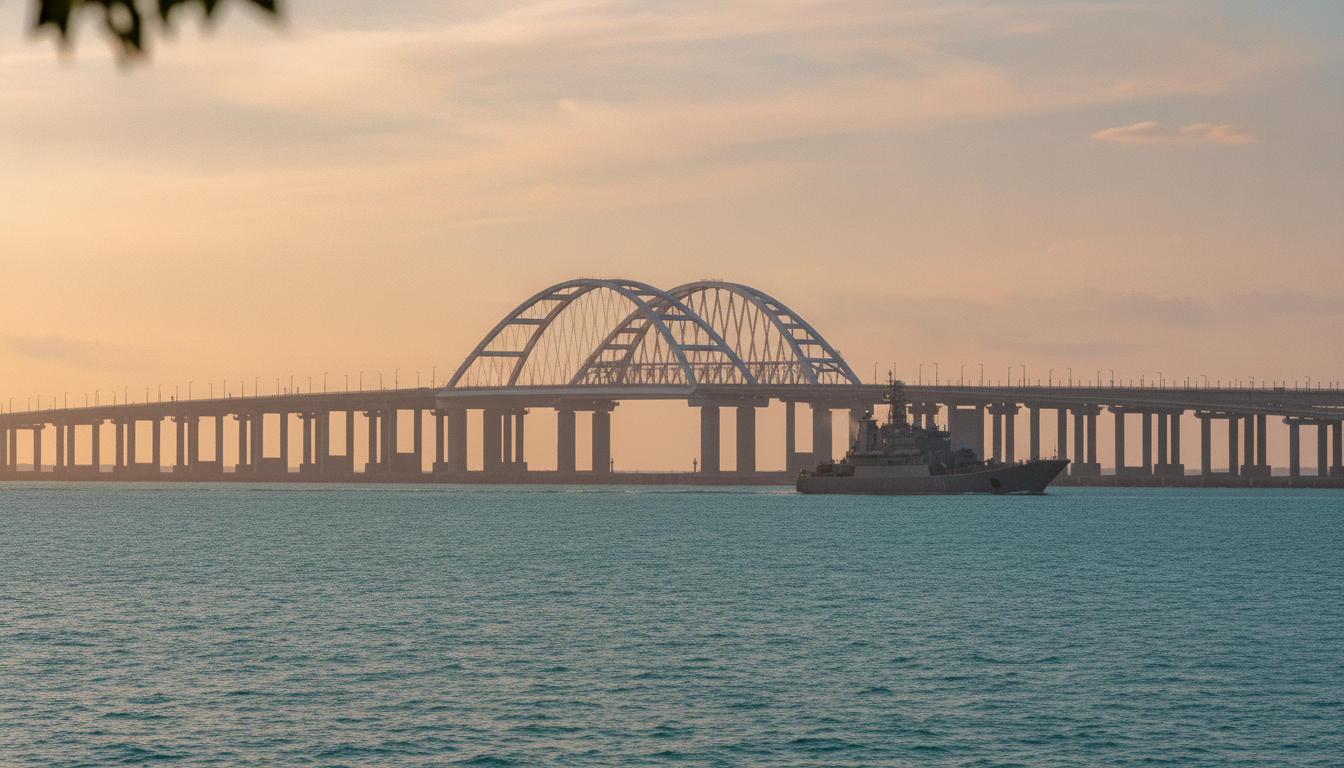
International Court of Justice Delivers Verdict in The Hague
According to Novyny.live: On June 15, 2026, the International Court of Justice in The Hague issued its ruling in the dispute between Ukraine and Russia concerning the Kerch Strait. While the court dismissed Ukraine’s primary allegations—specifically the claim that Russia unlawfully seized control of the strait—it did find Moscow guilty of breaching international maritime law during the construction of the Kerch Bridge. This distinction marked a pivotal moment in the case, which has drawn significant international attention due to its implications for maritime sovereignty and environmental standards.
The court determined that Russia violated maritime regulations by failing to conduct an environmental impact assessment before building the bridge. The 19-kilometer structure connects the Taman Peninsula to the occupied Crimean Peninsula and was the subject of legal proceedings initiated by Ukraine in 2016. The dispute spanned a full decade, with Ukraine filing its lawsuit over the bridge’s construction works that year.
Implications of the Ruling
Despite acknowledging Russia’s breach of international maritime law, the court did not award any monetary or property compensation to Ukraine. The verdict, formally approved on April 22, represents a significant milestone in the protracted conflict between the two nations. The Hague-based tribunal rejected the majority of Ukraine’s accusations, prompting mixed reactions among experts and the broader public.
The International Court of Justice’s decision carries substantial weight for the future trajectory of Ukraine-Russia relations. While the recognition of Russia’s violation of maritime law could pave the way for additional legal action by Ukraine, the lack of financial remedies limits the practical impact of the ruling. This case underscores the complexities of international law when applied to long-standing conflicts, highlighting both its potential as a tool for accountability and its constraints in delivering tangible outcomes.
Read also
- Zelenskyy Praises 'Long-Range Sanctions' as Ukraine Strikes Oil Export Terminal in Russia's Rostov Region
- Russian Assault on Civilian Ships in Mykolaiv Leaves Dead and Wounded
- Czechia receives 100 howitzers from South Korea, bringing total artillery destined for Ukraine to 190
- Targets Identified: Ukrainian Defense Forces Hit Six Warehouses in Russia and Crimea
- Five Turkish F-16 Jets Deploy to Estonia for NATO's Baltic Airspace Protection Mission
- Fuel Crisis From Ukrainian Strikes Leaves Kazakhstan’s President Perplexed About Russia’s War Aims