A resident of Kazakhstan used chat GPT instead of a lawyer: what the court decided.


A resident of Almaty justified himself with the help of a neural network
A resident of Almaty, Kenjebek Ismailov, successfully used a neural network to justify himself against the charges. He told about this in his Telegram, the publication 'Glavkom' reports.
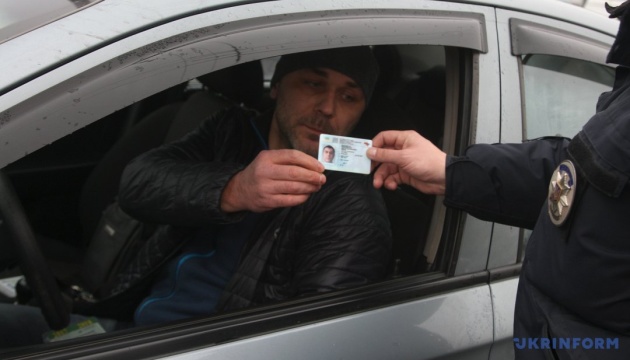
In December last year, Ismailov was fined 5,800 tenge for violating traffic rules. The man drove into the bus lane to overtake a truck in front of him at an intersection. However, he believed that the fine had been issued to him illegally and initially filed a complaint with the police. When the complaint was rejected, he turned to the court.
The help of a neural network called ChatGPT helped Ismailov draft a lawsuit and provided him with real-time answers to the judge's questions. As a result, after just 10 minutes of the court session, the fine was canceled.
'I was not suing for money, but to defend principles. I wanted the employees to be responsible in their work. In court, they behaved rudely and unprofessionally. It was my civic duty,' Ismailov is convinced.
Now he plans to file a lawsuit against the police and demand compensation for moral damage.
It is also worth noting that leaders of technology companies emphasize that artificial intelligence is gradually surpassing humans in writing code. OpenAI CEO Sam Altman stated that the main skill in modern realities is the ability to use artificial intelligence tools, rather than programming.
Read also
- The government has approved new rules for issuing driver's licenses: the validity period will depend on the category
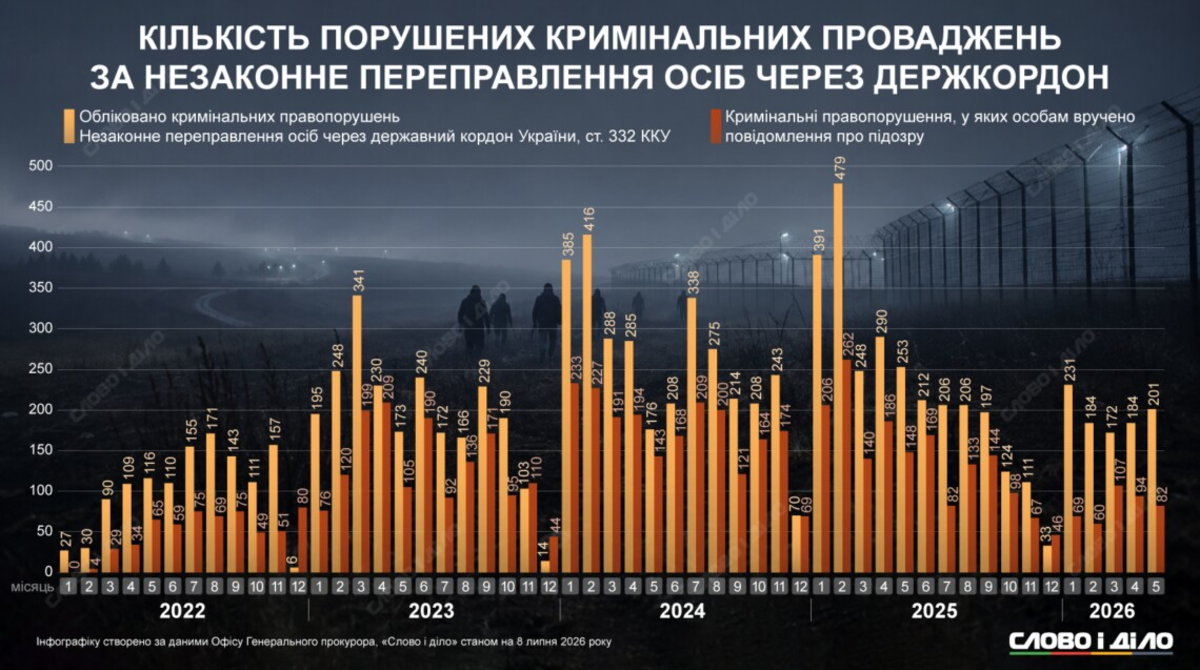
- Criminal Cases for Illegal Border Crossing in Ukraine: New Statistics Released
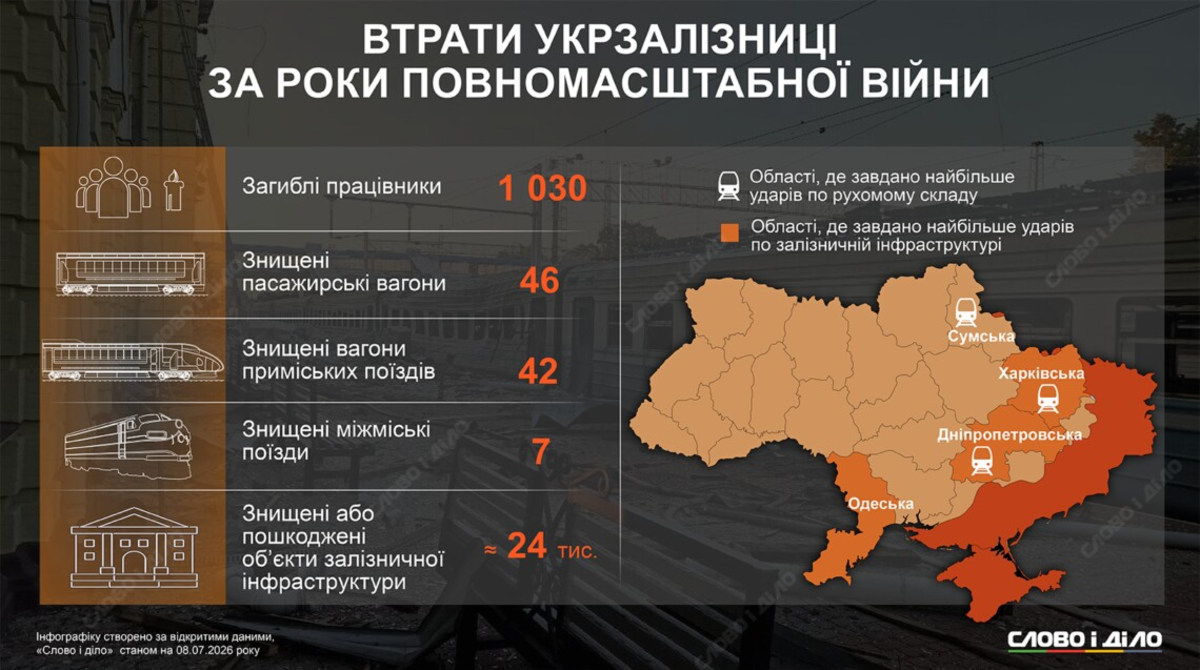
- Over 1,000 Dead and Nearly 3,000 Wounded: The Toll on Ukraine’s Railways After Four Years of War
- Climate Change Puts Ukrainian Cities at Risk: Experts Offer Solutions for Kyiv, Lviv, and Vinnytsia
- No Restrictions at Border for Suspect in Yermolayev Assassination Attempt, Border Guards Confirm
- One-Third of Ukraine’s Nature Reserves Destroyed by War; Eight Parks Under Occupation