US Treasury Secretary Accuses Europe of Funding Putin's War via Indian Oil.

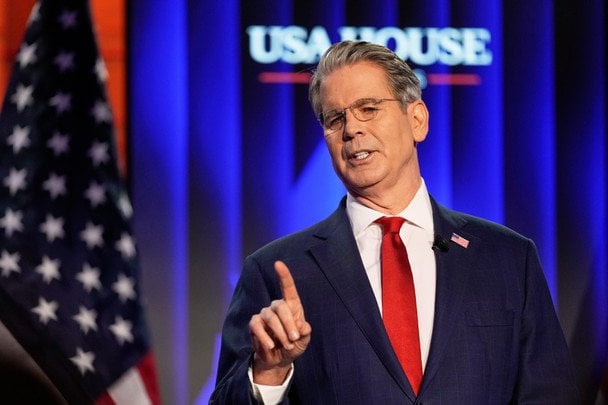
US Official Criticizes European Stance on Ukraine War
According to TSN.ua: US Treasury Secretary Scott Bessent has criticized European nations for their role in Russia's war against Ukraine. He stated that European countries are indirectly financing the conflict by purchasing refined Russian oil products through India. Bessent called this a serious paradox, as Europe, being on the frontline of this war, is effectively providing indirect support to Russian President Vladimir Putin. This criticism highlights a significant rift in the Western alliance's approach to economic pressure on Moscow.
Economic Interests and War Financing
Bessent emphasized that Europeans are, in effect, funding a war against their own security interests. He pointed out that European nations' decisions not to join US restrictions on buying Russian oil via India demonstrate a desire to secure favorable trade deals. Specifically, a 25% tariff imposed by the US on India for purchasing Russian oil has not deterred European countries. The primary motivation for this behavior, according to Bessent, is the pursuit of cheap energy. On February 6, the US and India moved closer to finalizing a trade agreement involving tariff reductions and deeper economic cooperation. These factors, the Secretary argues, underscore the complexity and contradictory nature of the European position regarding the war in Ukraine.
'Scott Bessent's criticism underscores the tension between European countries and the US regarding energy policy amid the war in Ukraine.' Source: US Treasury Secretary Scott Bessent
The actions of European states, which continue to buy Russian oil, call into question their commitment to sanctions against Russia. This issue is likely to become a central topic of discussion at future international forums, as NATO members attempt to balance economic interests with political responsibility. Meanwhile, dependence on cheap energy may complicate European countries' ability to make decisions fully consistent with their stated position on Ukraine. The ongoing conflict has forced many nations to weigh immediate economic costs against long-term strategic security.
Read also
- Kyrylo Budanov to Lead New Presidential Advisory Council: Its Mission Explained
- How Kremlin Propaganda Distorts the Truth About the Kakhovka Dam Attack, According to a Lawyer
- Hungary Lifts Its Veto: EU Set to Open First Negotiation Cluster for Ukraine’s Accession
- Beijing Launches Naval Operation Near Taiwan: What Triggered China’s Response
- Pentagon Responds as Zelenskyy Urges US to Strengthen Air Defenses Following Strikes on Kyiv
- Putin Faces a Looming Crisis: Is Russia Ready for Talks, Asks Ukraine’s Foreign Minister