The Ministry of Justice has refuted the data leak from e-Notariat: what is really happening.

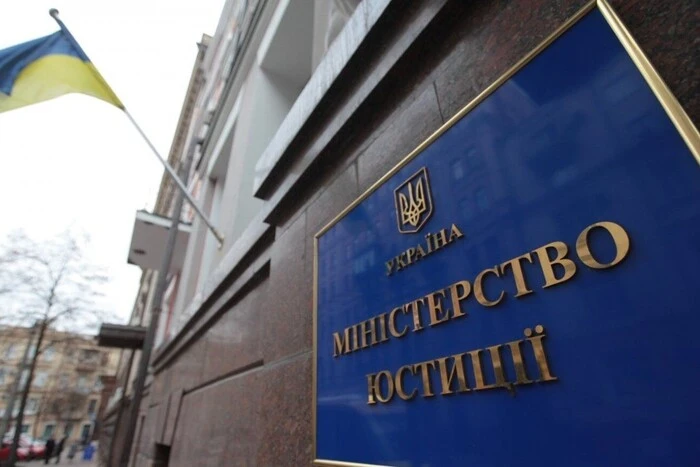
Information about the data leak has been refuted
According to inkorr.com: The Ministry of Justice reported that rumors about the leak of personal data of Ukrainians due to testing by notaries in the 'e-Notariat' system turned out to be false. The Notarial Chamber called for a suspension of testing due to identified issues with the data in the Unified Register of Powers of Attorney and the Inheritance Register.
'All powers of attorney that were included in the specified registers before a certain date became available to all testers, including notaries and employees of territorial bodies,' the message states.
Position of the Ministry of Justice
The Notarial Chamber considers the situation a violation of notarial confidentiality, but the Ministry of Justice denies the data leak, characterizing it as manipulation. According to the agency, over 2,000 notaries tested the system and submitted more than 250 proposals for its improvement.
The Ministry promises to carefully consider the recommendations received and improve the system. The first services for citizens in 'Dii' are planned to be introduced as early as 2026.
Thus, the Ukrainian Ministry of Justice denies information about the leak of personal data through 'e-Notariat' and calls it manipulative. The Notarial Chamber called for a halt to testing due to identified flaws, which caused concern among specialists and the public. Currently, work is underway to correct the flaws and improve the system to ensure reliable services to citizens in the near future.
Read also
- Antique Musket Balls Repurposed Into Solar Cells with 94% Efficiency
- South Korea Patents a Silent Engine for Air Taxis
- 144 FPS at 4K: A Gamer Pairs an RTX 3090 and RTX 3050 for Stunning Performance
- Snapdragon 8 Elite Gen 5: Qualcomm’s New Chip Targets Sub-$600 Smartphones
- Samsung Unveils Three New Odyssey Gaming Monitors: Specs and Features Revealed
- Plastic Waste Converted into Jet Fuel: New Breakthrough by Chinese Researchers