The 2022 Mobilization: How Ukraine's First Battalions Were Formed and the Role of Recruitment Centers.

War and Mobilization in Ukraine
According to Novyny.live: The full-scale invasion of Ukraine by the Russian Federation on February 24, 2022, triggered a major overhaul of the nation's military mobilization system. This urgent response was critical for Ukraine's survival as a sovereign state. Just three days after the invasion began, the formation of the 13th Rifle Battalion was initiated, marking a pivotal early phase in the country's mobilization efforts.
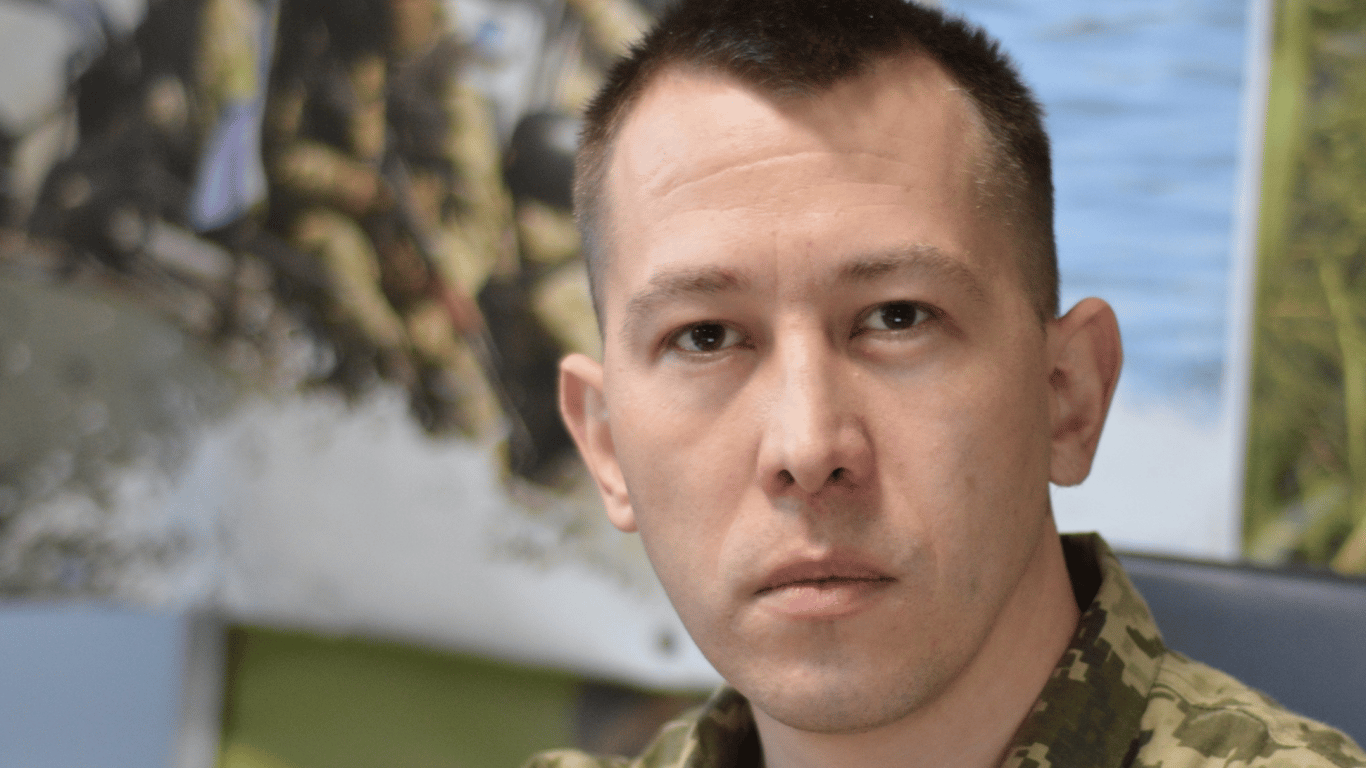
Throughout 2022 and 2023, six more battalions of a similar type were established, organized through Territorial Recruitment Centers (TCCs) in regions like Poltava. The spring of 2022 saw the widespread distribution of military summonses, a moment when men recognized their duty to defend their nation. As Roman Istomin recalled,
"A man would receive his summons, understand that his country needed him, pack his belongings, and report to the TCC."
The initial wartime mobilization had distinct characteristics. Roman Istomin emphasized that
"The goal wasn't to process everyone without exception; we needed people with combat experience because there was no time for training at the start of the full-scale war."This highlights the immediate pressure to staff military units with capable personnel.
Key brigades formed from these mobilized forces included:
- 30th Mechanized Brigade
- 1st Tank Brigade
- 72nd Mechanized Brigade
These units became essential components of the country's defensive capabilities. Compared to the partial mobilization carried out in 2014-2015 following Russia's initial aggression, the 2022 mobilization was far more extensive and urgent, demanding swift and effective solutions to unprecedented threats.
Contemporary Mobilization Challenges
Consequently, the mobilization following the full-scale invasion represents a critical chapter in Ukraine's history, demonstrating its resolve to protect its sovereignty and territorial integrity.
The wartime mobilization in Ukraine has undergone significant changes from earlier stages, particularly the partial mobilization of 2014-2015. Current challenges necessitate not just a quantitative increase in personnel but also a qualitative approach to staffing military units, which in turn enhances their effectiveness on the battlefield. The rapid formation of new battalions underscores the state's readiness to respond to threats and ensure national security.
Read also
- Russia's Strategic Blunders in War: Professor Warns the Cost of Aggression Will Keep Rising
- Trump Alleges Leak of 220 Million U.S. Voter Records, Demands Investigation
- 11 Major Issues Signal Zelensky’s Losing Grip on the Military
- Trump Declares Victory Over Iran as New Strikes Hit the Strait of Hormuz, Resuming War
- Over 60 U.S. Senators Back New Russia Sanctions: What's at Stake
- EU at a Crossroads: Latvia’s Premier Urges Tougher Sanctions on Russia as 21st Package Stalls