Engine Oil Destroying Your Motor? Three Critical Reasons for an Immediate Change.

Why Engine Oil Matters for Your Vehicle's Performance
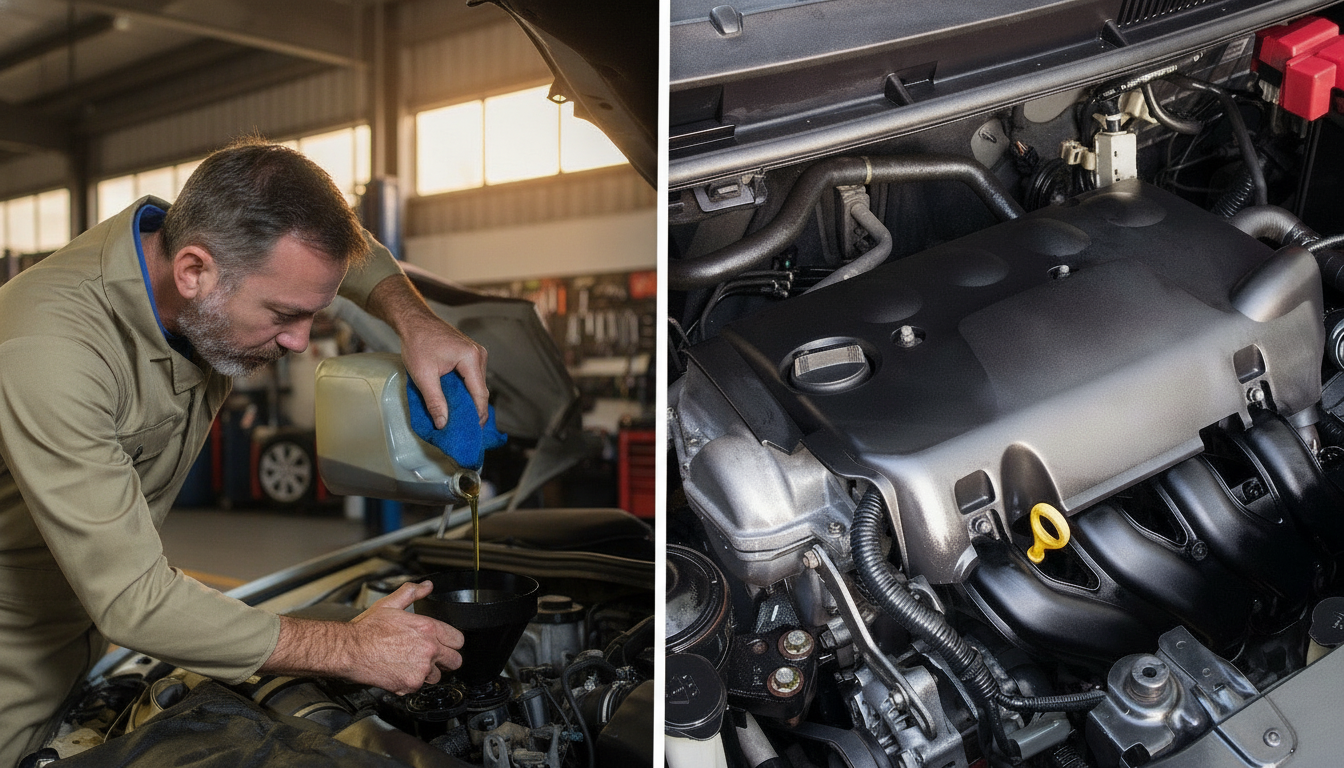
According to Novyny.live: Engine oil plays a vital role in keeping a car's engine running smoothly. It reduces friction between moving parts, prevents premature wear, and stops harmful contaminants from building up. Skipping scheduled maintenance can lead to serious issues, including internal cylinder damage and corrosion.
The Dangers of Delaying an Oil Change
One of the biggest risks of postponing an oil change is the accumulation of solid particles from worn components. These tiny abrasive fragments can cause internal damage, hurting the engine's overall performance. Moisture in the oil is another concern, as it can trigger rust and corrosion that weaken metal parts over time.
Liquid contaminants are also a major problem. For instance, when water mixes with blow-by gases, it can form aggressive acids. This not only degrades the oil's quality but also raises the chance of corrosive damage. Unburned fuel seeping into the oil thins it out, which further compromises engine efficiency.
During combustion, soot and carbon deposits are produced inside the engine. These can turn into a thick sludge that blocks oil from reaching critical friction points. As a result, friction increases, leading to even more wear on the engine's components.
In short, the importance of regular engine oil maintenance cannot be overstated. Neglecting this routine can cause severe consequences, such as part wear, harmful buildup, and reduced engine performance. Timely oil changes help prevent these problems, ensuring your vehicle runs reliably for years to come.
Given how crucial regular oil changes are, car owners should closely follow recommended service intervals. This simple step can greatly extend engine life and efficiency, while also cutting the risk of expensive repairs down the road.
Read also
- Ukraine's Drone Forces Sink 183 Russian Shadow Fleet Vessels, Unleash New Missiles and Strike Crimea
- Ukrainian Firm SkyFall Unveils P1-SUN Jetkiller Interceptor Drone: Key Details Emerge
- World’s First 500 MW Impulse Hydropower Plant Under Construction in China: Trials Succeed
- Russia Launches Second Batch of 'Rassvet' Satellites — Can It Catch Up to Starlink?
- Japan Introduces Paid Cooling Booth for People—Here's What You Need to Know
- Serial Production Looms for Ukraine’s New Firefly Munition After Successful Tests