Archaeologists Deciphered the Ancient Curse of the Hittites: Whoever Violates This Will Die.


According to ТСН: In Turkey, archaeologists deciphered an inscription on an ancient artifact that contains a direct and chilling warning about death. This tablet, approximately 3300 years old, was found in the ruins of the settlement of Büyüklükale, located near the Kızılırmak River, about 100 kilometers from modern-day Ankara.
After deciphering the text using an ancient Near Eastern logosyllabic system, researchers uncovered the phrase:
“Whoever violates this will die”. Scholars believe this inscription was related to a contract and may have been sent on behalf of the rulers of the Hittite Empire as a strict official warning.
Archaeologists' Discovery
During the excavations in 2023, archaeologists found that Büyüklükale was a Hittite-period city with a diameter of about 500 meters. A fragment of a terracotta seal inscribed with cuneiform was also found at the site, which, according to the project leader, was used by a king or queen. This seal repeats the same deadly warning.
Researchers note that similar seals were usually placed on agreements, but such a severe threat is atypical — Hittite laws more often applied fines rather than the death penalty. This confirms that the city maintained active ties with Hattusa, the capital of the empire.
Religious Rituals in Büyüklükale
Furthermore, Hurrian tablets related to religious rituals, typically performed by members of the Hittite royal family, were discovered in Büyüklükale. This strengthens the idea that the city could have served as one of the royal residences during the Bronze Age.
It is also worth mentioning that in Gibraltar, archaeologists discovered a chamber sealed over 40,000 years ago, indicating possible habitation by some of the last Neanderthals in the world.
These findings highlight the great significance of Büyüklükale in the context of the Hittite Empire and its trade and cultural connections. They also demonstrate how ancient societies expressed their religiosity and diverse practices through rituals and written documents, leaving important evidence for future generations.
Read also
- Russian Forces Push to Isolate Kostiantynivka's Industrial Zone as Fighting Erupts
- IAEA and 47 Nations Condemn Russian Strike on Ukraine's Nuclear Waste Storage Facility
- Russia's Supply Line Crippled: Bridge Strikes in Chongar Cut 100 km of Logistics
- Germany Pledges €300 Million to Czech-Led Ammunition Plan, Securing 50,000 Shells for Ukraine
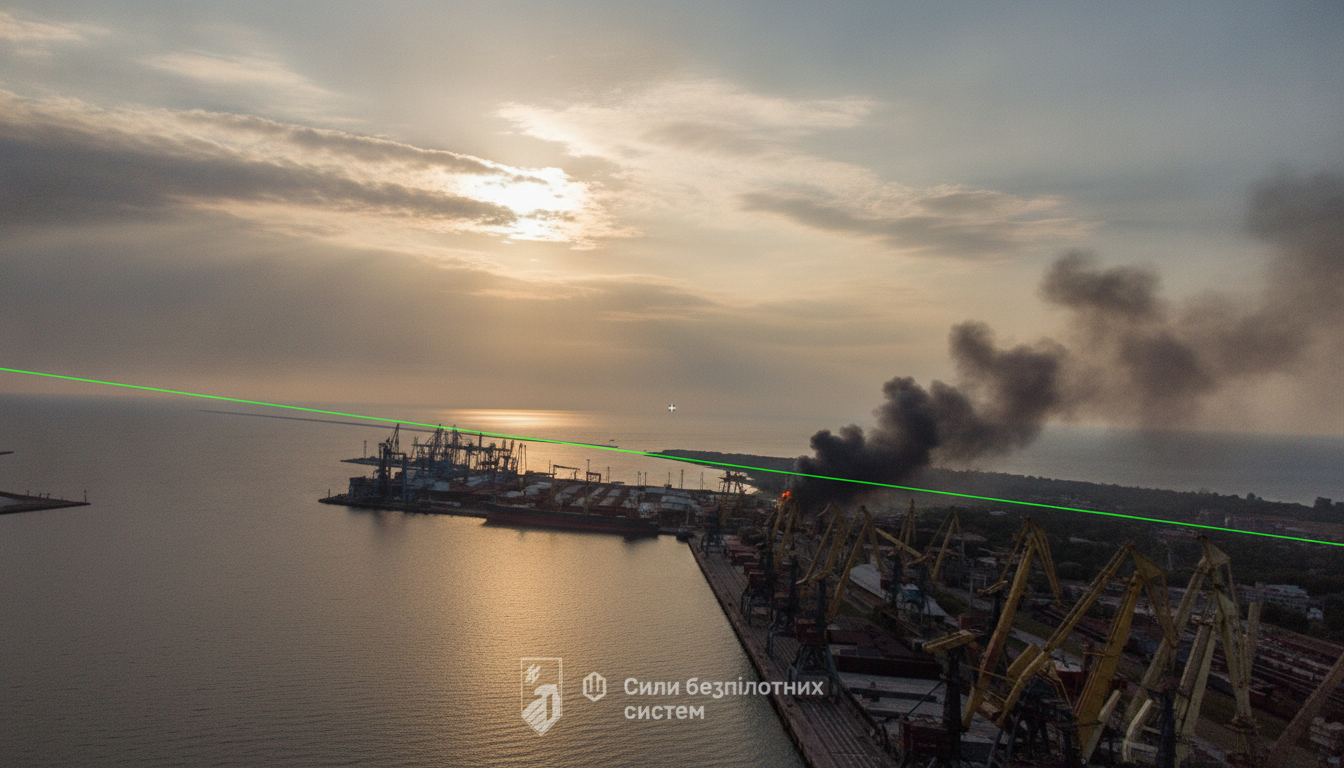
- Mariupol Port Destroyed by Azov and SBU Forces, Cutting Off Russia’s Sea Access
- Ukrainian Forces Push Back Russian Army on the Alexandrovsk Front: New Gains Reported