Ukraine's Central Bank Cuts Key Interest Rate: Implications for Loans and the Economy.


Ukraine's National Bank Reduces Key Policy Rate
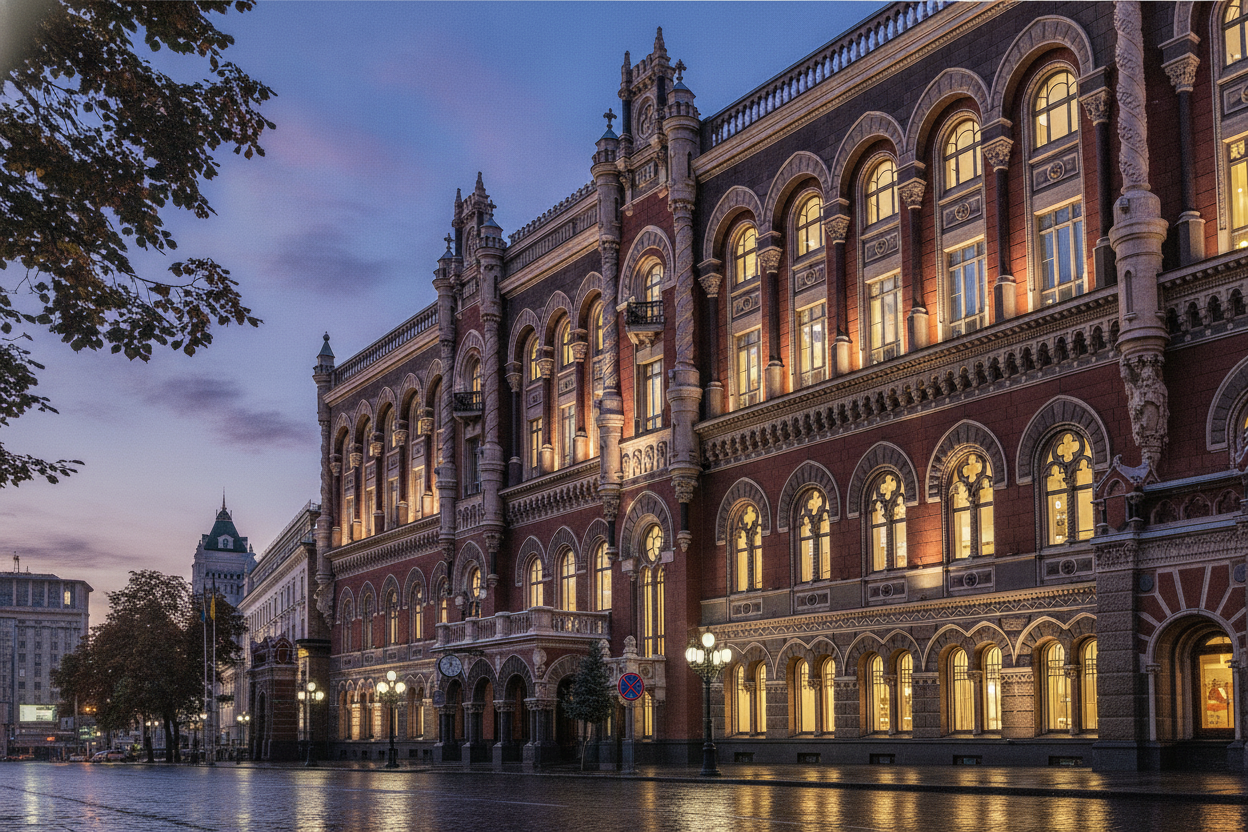
According to Novyny.live: In a move to ease monetary policy, the National Bank of Ukraine (NBU) has decided to cut its key policy rate from 15.5% to 15%. This 0.5 percentage point reduction is attributed by the NBU to a sustained easing of inflationary pressures and a decrease in risks related to external financing. This decision signals a cautious shift in the central bank's approach as economic conditions evolve.
Inflation and Economic Growth Forecasts
The NBU's inflation forecasts project it to reach 7.5% in 2026, 6% in 2027, and 5% in 2028. Concurrently, the forecast for real Gross Domestic Product (GDP) growth in 2026 has been revised down to 1.8%, indicating the significant economic challenges the nation continues to face. The central bank is walking a fine line between stimulating growth and controlling inflation.
It is also important to note that the total volume of international financial support is projected to be $65 billion USD by the end of 2026 and $71 billion USD by the end of 2028. The Council of the European Union has approved a decision to provide Ukraine with €90 billion in financial assistance for the 2026–2027 period. Meanwhile, negotiations are ongoing with the International Monetary Fund (IMF) regarding a new cooperation program worth $8.1 billion USD.
Lending in Ukraine is growing at an annual rate of more than 30%, which could positively impact the availability of financing for businesses and individuals. Experts suggest that the rate cut may stimulate economic activity, though it will require continued close monitoring by the regulator to prevent overheating.
Consequently, the reduction in the key rate is likely to have a varied impact on Ukraine's economy and credit market, with the full results only becoming clear over time.
The strategy of monetary policy easing, combined with substantial international financial support, could lay the groundwork for stabilizing the country's economy. However, it necessitates vigilant observation of inflationary trends and the pace of economic growth in the coming months.
Read also
- Russia Sets Record in Gold Sell-Off: What It Signals for the Economy
- Putin’s Economic Claims Exposed as Manipulation by Ukraine’s Disinformation Center
- Rheinmetall to Double Gunpowder Output: What This Means for Ukraine
- Azerbaijan Steps Up as Europe's Energy Alternative: Gas Deliveries to Germany Already Underway
- IMF Demands Utility Rate Hikes as Naftogaz Debt Surges 63%
- 12 Red Flags for Shell Companies Identified by Ukraine's Central Bank: Banks Ordered to Scrutinize Importers