Zelensky Urges Faster NATO Integration After Alliance Labels Russia as Primary Threat.

Summit in Ankara Highlights Security Concerns
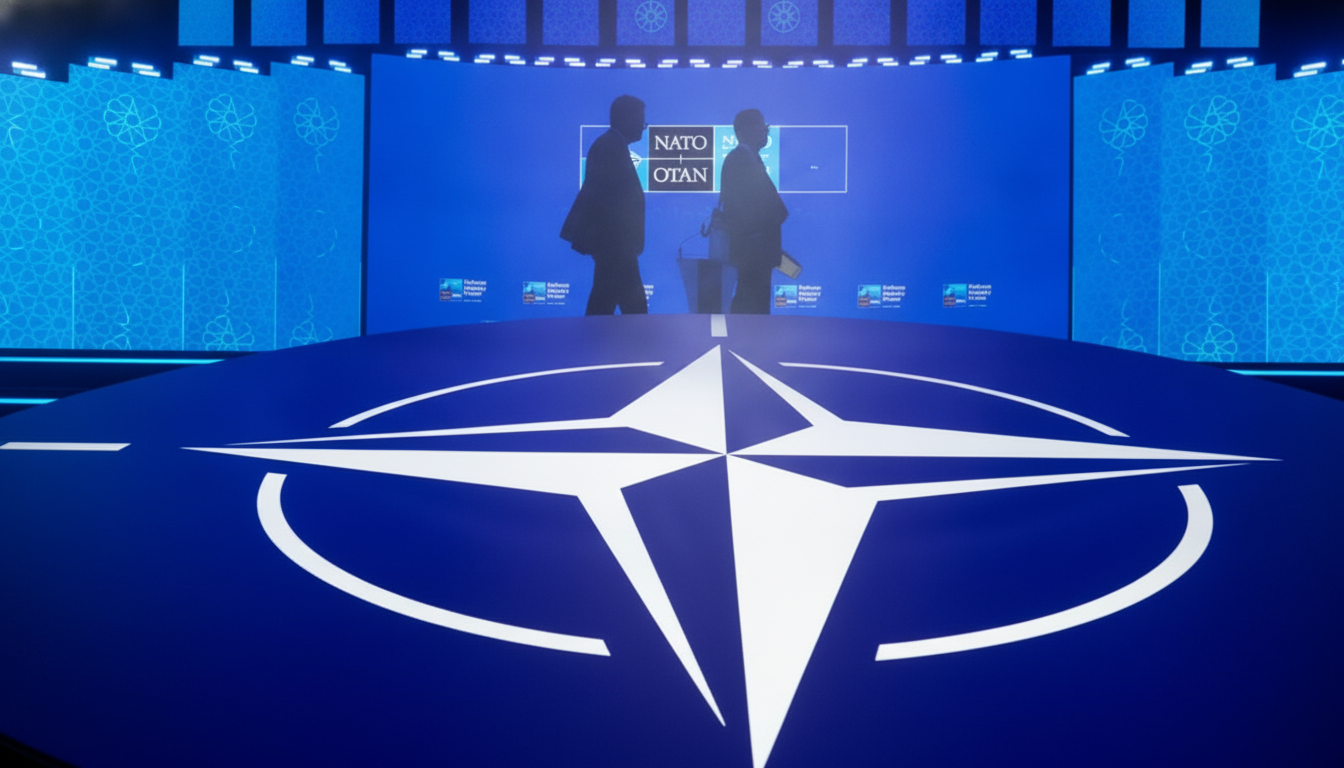
According to Espreso.tv: During the NATO summit held in Ankara, discussions centered on threats originating from Russia and the potential inclusion of Ukraine into the alliance. NATO officially designated Russia as its principal long-term security threat. Intelligence from Latvia noted that Russia currently lacks the capacity to launch a full-scale front against NATO, pointing to significant constraints in its military capabilities.
Leaders Voice Positions and Urgency
Ukrainian President Volodymyr Zelensky called on NATO to accelerate Ukraine’s integration into the alliance, stressing that this step is crucial for regional stability. In response, NATO reaffirmed its defensive stance and outlined plans to reinforce its eastern flank as a countermeasure against potential aggression.
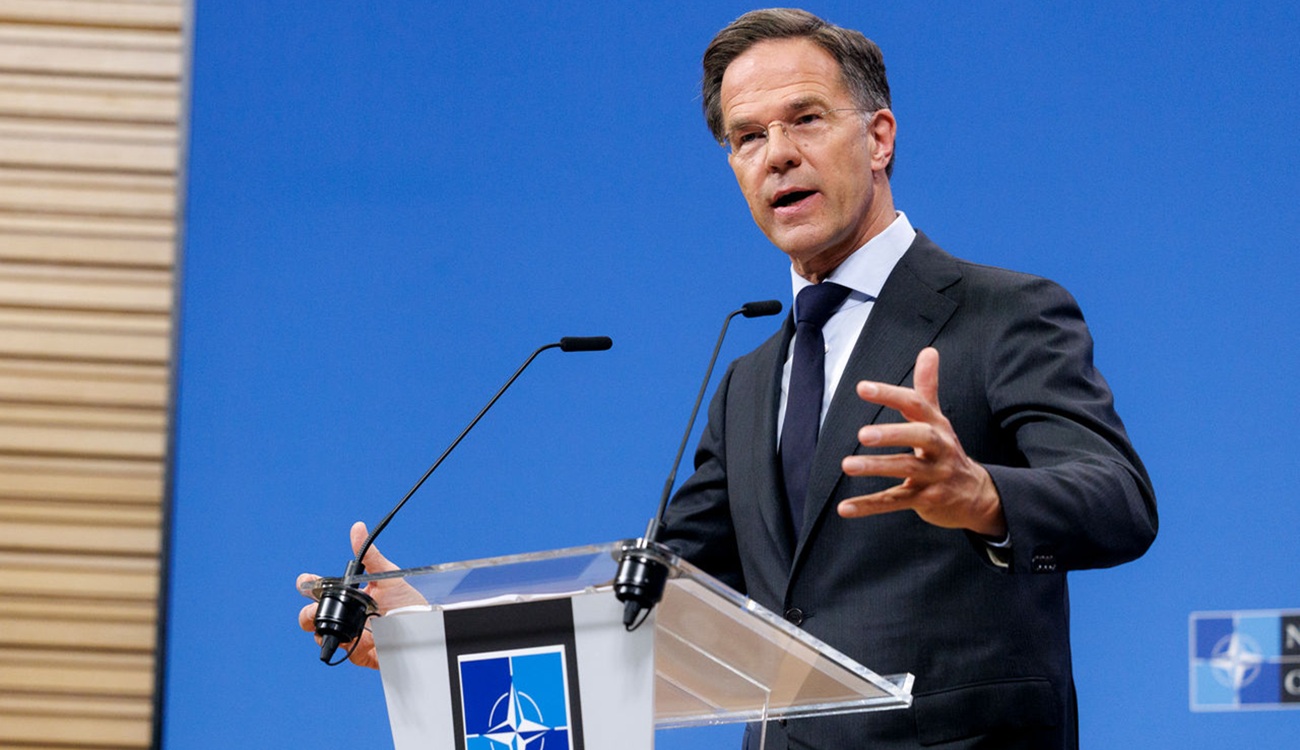
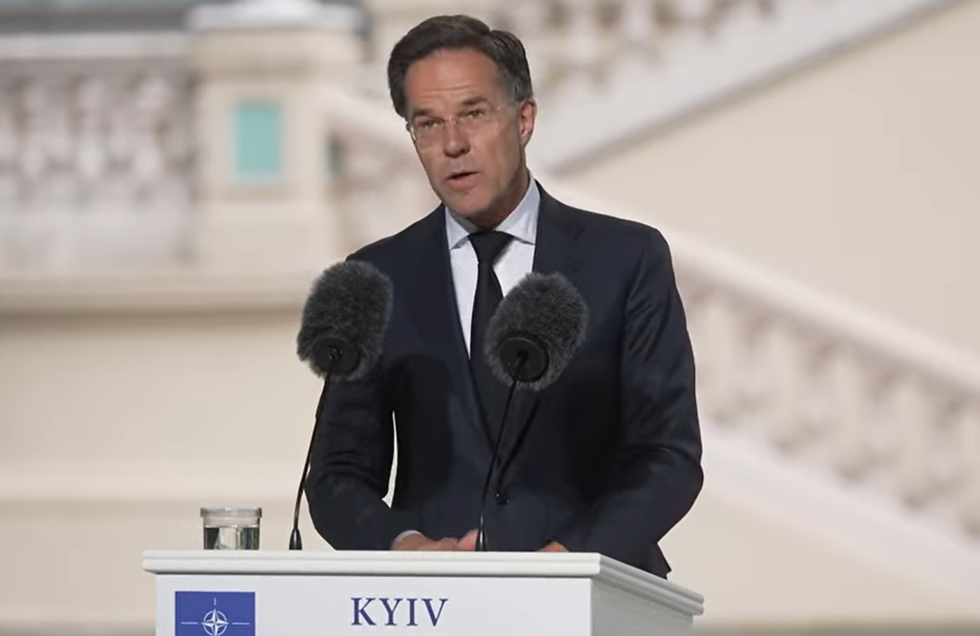
Dutch Prime Minister Mark Rutte stated: 'My message is that this alliance, comprising one billion people living in Europe, Canada, and the United States, will defend every inch of our territory.'
He further emphasized:
'You cannot defeat NATO. We are defensive; we will never attack anyone.'These remarks underscore the alliance’s commitment to collective security. Rutte also issued a warning: 'I would not advise Putin to joke about this,' highlighting the gravity of the security situation in Europe.
The summit’s discussions underscore the importance of collective security in the region and NATO’s strategy in addressing Russian threats. Integrating Ukraine into the alliance is viewed as a pivotal move for enhancing security, with potential implications for future political and military actions across Europe. Statements from leaders, particularly the Dutch prime minister, reflect NATO’s resolve to confront potential aggressors and support its partners. Ultimately, the summit served as a critical forum for shaping the alliance’s response to contemporary security challenges.
Read also
- NATO Reaffirms Long-Term Support for Ukraine: Key Outcomes from the Ankara Summit
- NATO Demands Equal Defense Spending: Rutte Outlines Washington’s Expectations
- Thousands March in Istanbul Against NATO Summit: Here’s What They’re Demanding
- Ukraine’s Ninth Security Pact Signed: Zelenskyy and Denmark Forge Drone Deal at NATO Summit
- Trump and Zelenskyy to Meet in Ankara on July 8: Talks Focus on Ending the War
- At NATO Summit, Zelenskyy Proposes Joint Production of Patriot Missiles for Ukraine