Treason or the Fight for Freedom: How Mazepa’s Choice Reshaped Ukraine’s Destiny.

Ukraine in the Early 18th Century: A Turning Point
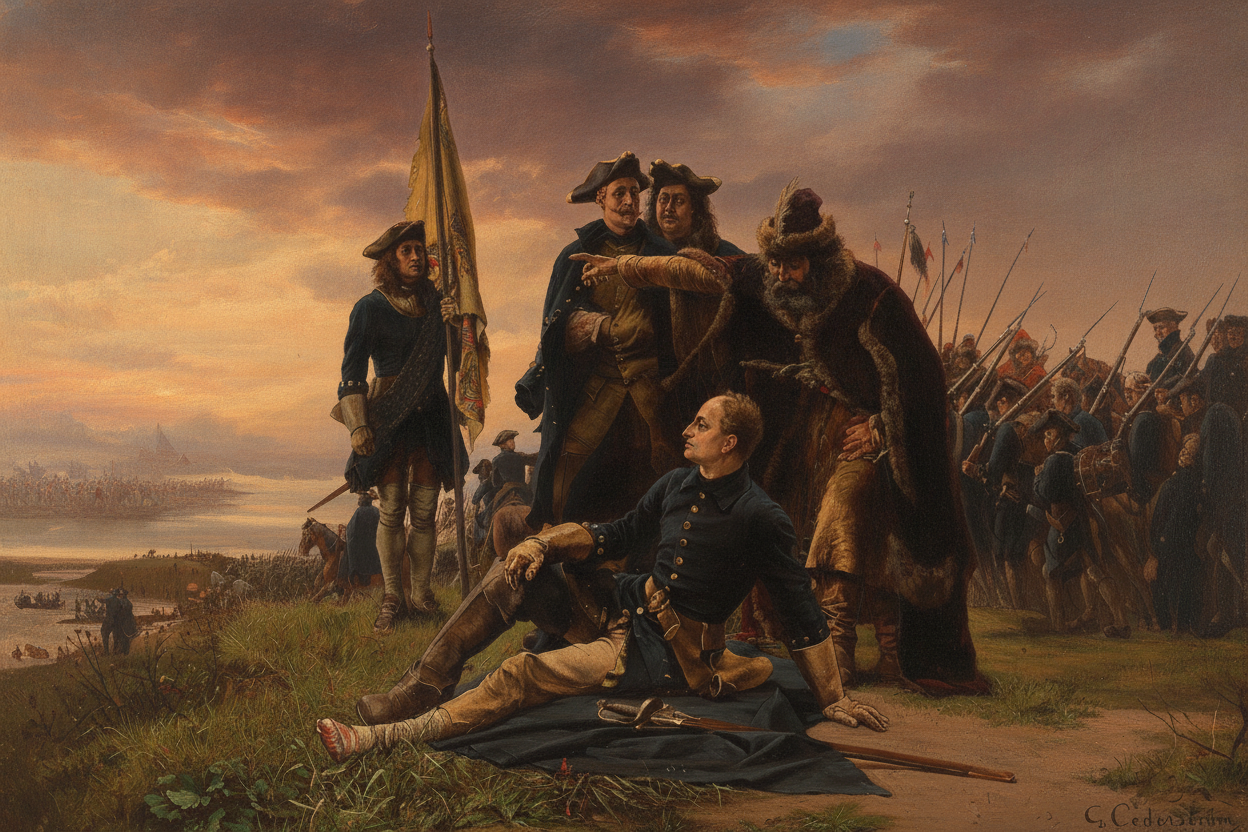
According to Espreso.tv: Events in Ukraine at the dawn of the 18th century left a lasting mark on the nation’s trajectory. Hetman Ivan Mazepa, who assumed leadership in 1687, made the pivotal decision to ally with Swedish King Charles XII—a move that would define the context of the 1709 Battle of Poltava. This clash, fought on June 27 (July 8 by the modern calendar) of that year, became a milestone in Ukrainian history as it pitted the forces of Peter I against the Swedish army.
At the time of the battle, Peter I’s army numbered roughly 77,000 troops, including 54,000 regular soldiers and 23,000 irregular units. In contrast, the Swedish force comprised about 22,000 men, with 17,000 regulars and 5,000 irregulars. The outcome proved catastrophic for Ukrainian lands and for Mazepa personally, as he died on October 2, 1709.
The Baturyn Tragedy and the Aftermath of Mazepa’s Decision
Prior to the Poltava confrontation, the Baturyn tragedy unfolded on November 2, 1708. These events underscored the volatile political climate in Ukraine and the far-reaching consequences of Mazepa’s alignment. Following his death, Ivan Skoropadsky became hetman, and later, on April 5, 1710, Pylyp Orlyk was elected to the position.
Ivan Mazepa’s words—‘The devil is dragging him to Ukraine!’—capture the deep anxieties and hardships that plagued the Ukrainian lands during this turbulent era.
The legacy of Mazepa’s choice continues to resonate in Ukraine’s historical narrative, remaining a subject of study and reflection to this day.
The Battle of Poltava and Mazepa’s alliance with the Swedes were decisive moments that shaped Ukraine’s future. These events not only altered the political landscape but also redirected the region’s history, leading to an expansion of Russian influence and the erosion of Ukrainian autonomy. Examining these historical episodes remains essential for understanding contemporary Ukrainian realities and national identity.
Read also
- Pashynskyi Alleges Physical Abuse of Deputy Director at 'Ukrainian Armored Vehicle' Firm Tied to Fabricated Case
- EU Membership and US Security Guarantees: Kyiv’s Non-Negotiable Terms for Peace, Says Foreign Minister Sybiha
- SBU Raids on Ukrainian Armored Vehicles: Deputy Director Beaten Over Lowest-Cost Grenade Bid
- EU Tightens Visa Rules for Russian Troops: Only Direct Combatants Now Barred from Europe
- Will Ireland’s EU Council Presidency Accelerate Ukraine’s Accession?
- Kremlin spokesman dismisses Trump’s plan to grant Ukraine a Patriot license as a strategic blunder