Study Finds Toxic Chemicals in Headphones from Bose and Samsung.

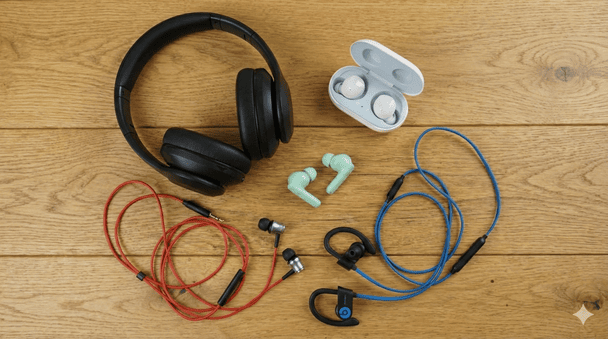
Hazardous Compounds Detected in Popular Brand Electronics
According to TSN.ua: A study by the ToxFree LIFE for All project has discovered dangerous chemical compounds in products from major brands including Bose, Panasonic, Samsung, and Sennheiser. The primary culprits were bisphenol A (BPA) and bisphenol S (BPS), found in 98% of the headphones tested. In some models, concentrations of these toxins reached 315 mg/kg, a figure that vastly exceeds the 10 mg/kg safety limit recommended by the European Chemicals Agency.
Models exceeding safe limits included the Sennheiser Accentum True Wireless and the Bose QuietComfort Headphones. Furthermore, fitness-oriented earbuds like the Samsung Galaxy Buds3 Pro also contained bisphenols at levels above 10 mg/kg. These findings raise significant health concerns, as daily headphone use—especially during exercise when sweat and body heat are produced—can accelerate the migration of these chemicals directly into the skin.
As Karolina Brabcova notes, 'daily use, particularly during physical exercise when sweat and heat are released, accelerates the migration of these chemicals directly into the skin.'
Highlighting hazardous substances like BPA, BPS, phthalates, and chlorinated paraffins is a crucial step in ensuring consumer product safety. Given this data, consumers should exercise caution when selecting headphones and other electronic devices that may contain these toxic materials.
Increased Safety Oversight for Consumer Goods is Urgently Needed
The study's results underscore the urgent need for stronger safety controls on consumer goods, particularly everyday electronics. Consumers are advised to pay close attention to product labels and composition information, and to demand that manufacturers comply with established safety standards.
This situation may ultimately drive legislative changes to better regulate the presence of hazardous chemical compounds in products entering the market. Bisphenols are industrial chemicals often used in plastics and resins, and have been linked to potential health risks, making their presence in personal audio gear particularly alarming.
Read also
- Ukraine's National Police Uncovers $5.4 Million Military Medical Board Fraud Scheme, Raids 16 Regions
- Maine Salmon Farm Faces Scrutiny: Investigation Uncovers 133 Animal Welfare Violations
- Military Officials Inflated Generator Prices by 14%, Causing Over $295,000 in State Losses
- Defense Sector Corruption Exposed: Journalist Reveals Schemes Tied to Fire Point
- Up to 12 Years in Prison for Embezzling $300,000 in Generator Funds Meant for Ukraine’s Military
- Two Russian Commanders Identified in Odesa Missile Strike That Killed Eight Civilians