The Most Reliable Engines Ever Built: Which Powerplants Are Considered Nearly Indestructible.

Engine Reliability in Automotive Engineering
According to Novyny.live: In the world of automotive engineering, engine reliability is the cornerstone of vehicle longevity and ease of maintenance. This is especially true for diesel engines, which have earned a strong reputation over the years for their efficiency and popularity among drivers. This article highlights some of the most dependable engines ever produced, offering insights for car buyers and enthusiasts alike.
Cult Favorites
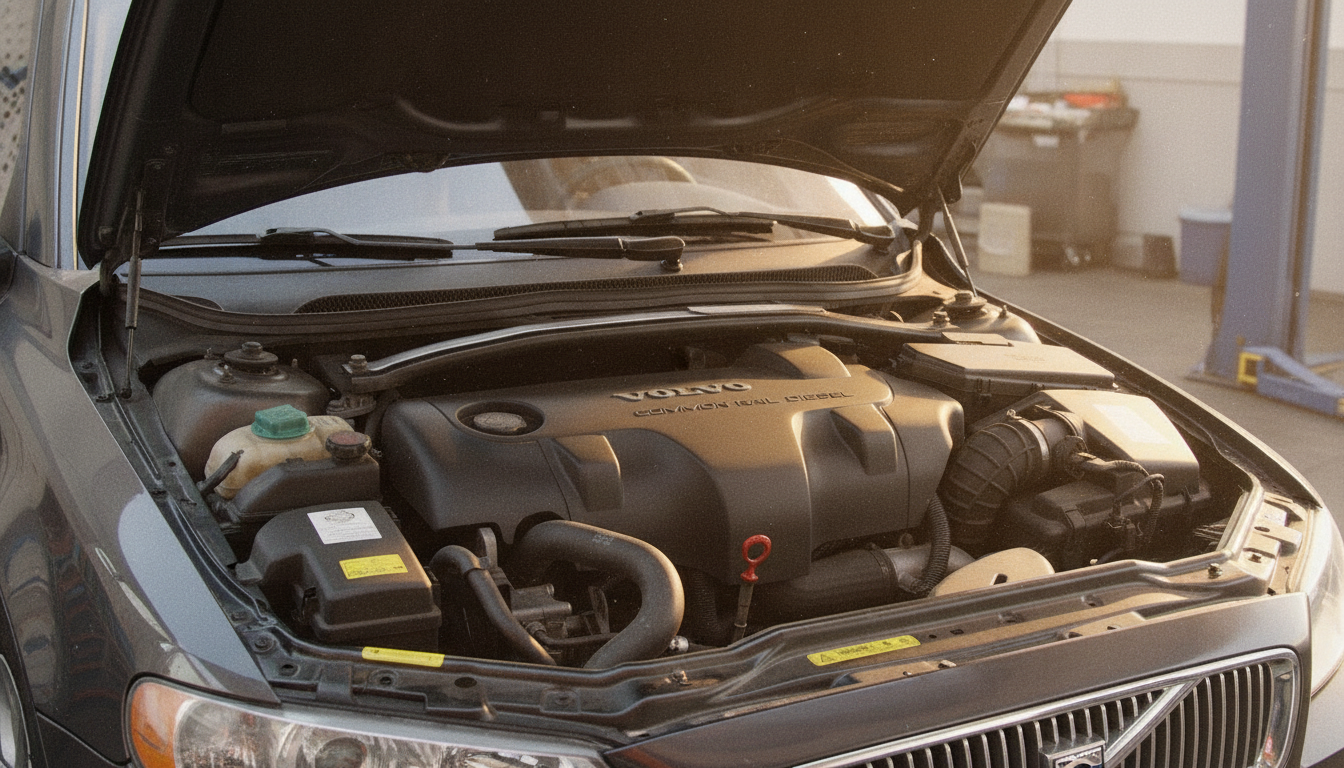
One standout is the 1.9 TDI from the VAG group, known for its exceptional reliability and consistent performance. The 2.0 TDI also deserves attention, as it overcame early issues to deliver impressive durability. PSA's 2.0 HDI engine is often described as virtually eternal and remains a favorite among motorists. Similarly, the 2.0 TDCi used in Ford vehicles, along with Volvo's 5-cylinder D5, are celebrated for their long service lives.
Swedish Durability
Mercedes-Benz's 2.1-liter engines from the OM611 and OM646 families became the backbone of taxi fleets thanks to their reliability and extended lifespan. Another example is the Honda 2.2 i-CTDi, which combines quiet operation with mechanical strength, making it appealing to many drivers. Toyota's 2.8 D-4D turbo diesel, found in the Land Cruiser SUV and Hilux pickup, has also gained widespread recognition for its rugged dependability.
Modern Alternatives
BMW's 3.0-liter engines from the newer B57 family have resolved the issues seen in the N57 series, thanks to an improved design and advanced technologies. For BMW engines, the timing chain replacement is recommended every 200,000 to 250,000 kilometers, highlighting their durability and capacity for long-term use.
Choosing a reliable engine is a critical decision for drivers who want their vehicles to last. The diesel engines featured here not only deliver strong performance but also reduce maintenance costs through their longevity. This makes them attractive for everyday commuting as well as for commercial applications where reliability is paramount. Understanding the traits and advantages of different engines can help car buyers make informed choices when purchasing a vehicle.
Read also
- New York Breaks Ground on 373-Meter Skyscraper: The Second World Trade Center
- NVIDIA Unveils DLSS 5: Three AI Models for Gaming, Launching This Fall
- Ukraine’s Defense Ministry Unveils New Robotic Combat System ‘Mini Strike Serpent’ – Key Details Inside
- Ukraine's Drone Forces Sink 183 Russian Shadow Fleet Vessels, Unleash New Missiles and Strike Crimea
- Ukrainian Firm SkyFall Unveils P1-SUN Jetkiller Interceptor Drone: Key Details Emerge
- World’s First 500 MW Impulse Hydropower Plant Under Construction in China: Trials Succeed