










Ukraine’s Central Bank Sells Over $1 Billion in a Week as Hryvnia Slips to 44 per Dollar.
Currency Market Turmoil in Ukraine
According to TSN.ua: Between March 9 and March 13, 2026, the National Bank of Ukraine sold more than $1 billion on the interbank market in a bid to curb the hryvnia’s ongoing depreciation. During that period, the regulator offloaded $1,037.32 million as the dollar exchange rate climbed from 42.30 to 44.16 hryvnia. The currency’s decline stems from multiple economic pressures, though economist Andriy Novak argues that
“the hryvnia’s slide cannot be blamed on the conflict in the Middle East”. This context is crucial for English-speaking readers unfamiliar with Ukraine’s current financial landscape, where central bank interventions have become a key tool to manage volatility.
Aggressive Interventions and Their Impact
Since the start of 2026, the National Bank of Ukraine has spent over $8.3 billion on market interventions, underscoring its active efforts to prop up the national currency amid weakening conditions. Over the same timeframe, the euro also rose—from 49.80 to 50.95 hryvnia—reflecting a broader trend of exchange rate shifts.
As of March 14, the dollar stands at 44.16 hryvnia, exceeding the 2026 state budget forecast of roughly 45 hryvnia per dollar and highlighting the economic hurdles Ukraine faces. The country’s gold and foreign currency reserves currently total about $57 billion, providing a crucial buffer for further intervention if needed.
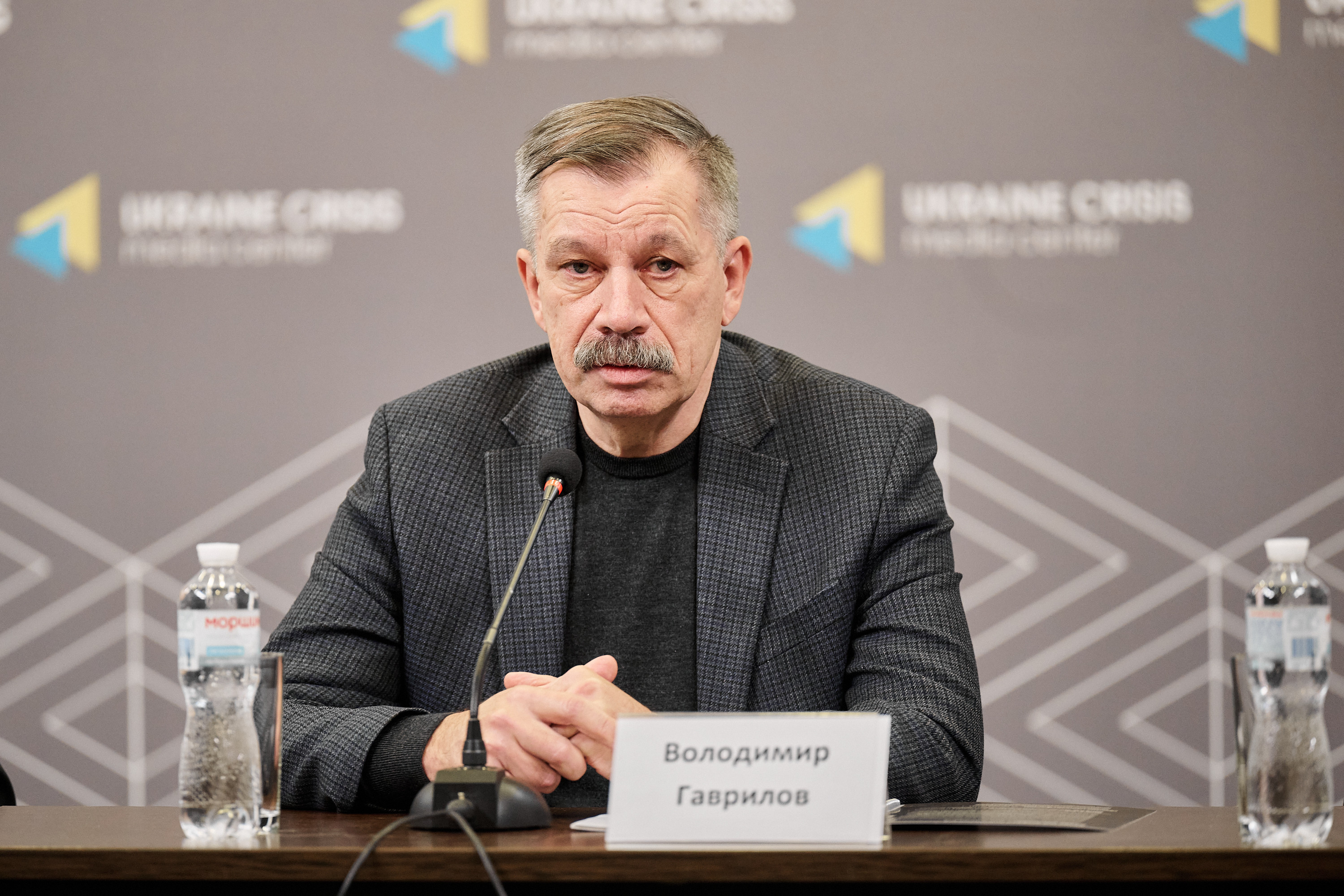
Expert Vasyl Furman notes that
“the regulator does not issue precise short-term currency forecasts”, leaving the market in a state of uncertainty. In such times, monitoring exchange rate movements and responding appropriately is vital to maintaining economic stability.
Ukraine’s currency market situation underscores significant economic challenges. The central bank’s aggressive interventions reflect its determination to stabilize the hryvnia, but prolonged depreciation could harm the broader economy. Maintaining robust gold and foreign currency reserves remains essential as a safeguard against future exchange rate fluctuations.
Read also
- The Vanishing Act of Foreign Firms at Russia’s Premier Economic Forum: How the SPIEF Has Transformed
- Drone Strikes Force Crimea’s Occupation Authorities to Ration Cooking Oil and Pasta
- Russia’s Investment Plunge 12-Fold Since War: Yatsenyuk Exposes Catastrophic Losses
- Sevastopol Halts Free Gasoline Sales: Fuel Now Restricted to Coupons Only
- Putin Faces a New Challenge: African Pipeline Set to Replace Russian Gas in Europe
- Kyiv Gets $2 Billion for Winter Prep: How the City’s Energy Plan Will Change