Germany's Political Landscape 35 Years After Reunification: Nostalgia, Refugees, and Crisis.

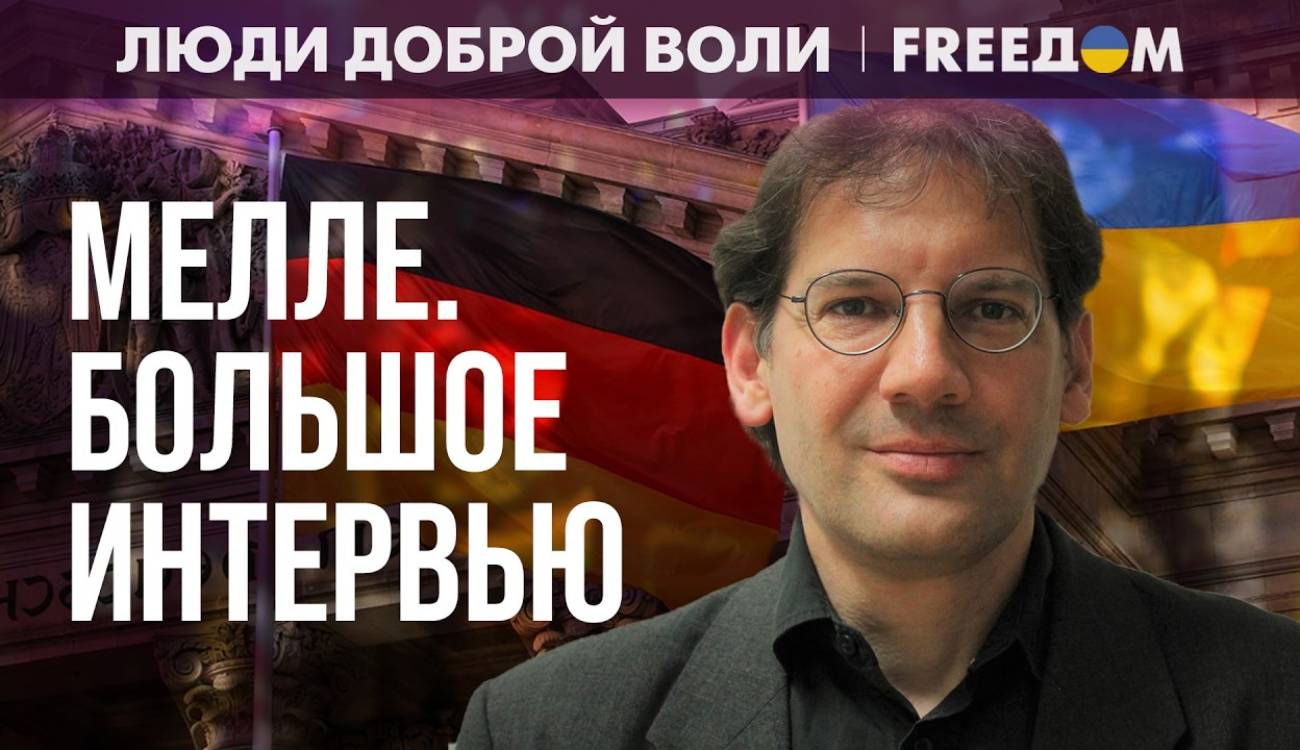
An Analysis of Germany's Current State
According to UATV: German journalist and publicist Stefan Melle examines the nation's condition in the wake of its reunification, focusing on the impact of Ukrainian refugees, political polarization, and the challenges confronting German society. This year marks the 35th anniversary of Germany's reunification in 1990, a period during which the country has undergone profound transformation. The presence of over one million Ukrainian refugees has placed significant new demands on social services.
Melle highlights the persistent political polarization within Germany. Public dissatisfaction is evident in the declining support for the Social Democratic Party (SPD), whose ratings have fallen to just 15-16%. Meanwhile, The Left party (Die Linke) is contending for first place in Berlin, signaling a potential resurgence of left-wing movements. The publicist observes:
"It's difficult to create the impression: 'We have heard you, dear Germans, dear AfD voters, we hear you, we are going down this path.'"
Political Shifts and Social Pressures
Within this context of political change, Melle also addresses the phenomenon of 'Ostalgie'—nostalgia for aspects of life in the former East Germany (GDR). This sentiment is gaining relevance, as 'the topic intensifies—precisely because four years have already passed, and there is a feeling that some kind of resolution is needed.' He notes that not everything from that era is viewed negatively, reflecting the viewpoint of a former Stasi lawyer who speaks of the past's perceived benefits.
Furthermore, Melle points to pacifism as a key historical legacy for Germany and the contemporary challenges this creates. Graffiti on Berlin walls declaring 'This is not our war' underscores the sentiments of a portion of the population regarding international conflicts. Germany's post-war identity has long been shaped by a commitment to peace, making current global tensions particularly acute.
Thus, Stefan Melle's analysis underscores the complex situation in Germany, where memories of the past, contemporary socio-political challenges, and the impact of global events converge to shape daily life.
Melle's work demonstrates how historical context and modern problems are interwoven in German society, influencing political attitudes and social relations. The rise of political polarization and the challenges associated with immigration highlight an urgent need for dialogue and adaptation to new realities. As it navigates global shifts, Germany must find a balance between its historical legacy and the demands of the present, a process that will undoubtedly be a crucial factor in shaping its future trajectory.
Read also
- Syrsky vs Fedorov: What We Know About the Conflict Between Ukraine’s New Commander-in-Chief and the Former Minister
- Crimea Solidarity Shuts Down After Being Labeled a 'Foreign Agent': What Led to This
- Burnham and Merz Discuss Ukraine Aid: What’s Known About the New 'Coalition of the Willing'
- Crimean Solidarity Shuts Down After Being Labeled a 'Foreign Agent' – What You Need to Know
- 21 Fuel Tankers Destroyed in 72 Hours: Ukraine’s Strategy to Isolate Crimea
- Zelenskyy Proposes New Role for Fedorov to Merge Technology and National Security