Germany Grants Police New Powers to Shoot Down Drones and Surveil Citizens: What Changes Are Coming.


New Authorities for Germany's Federal Police
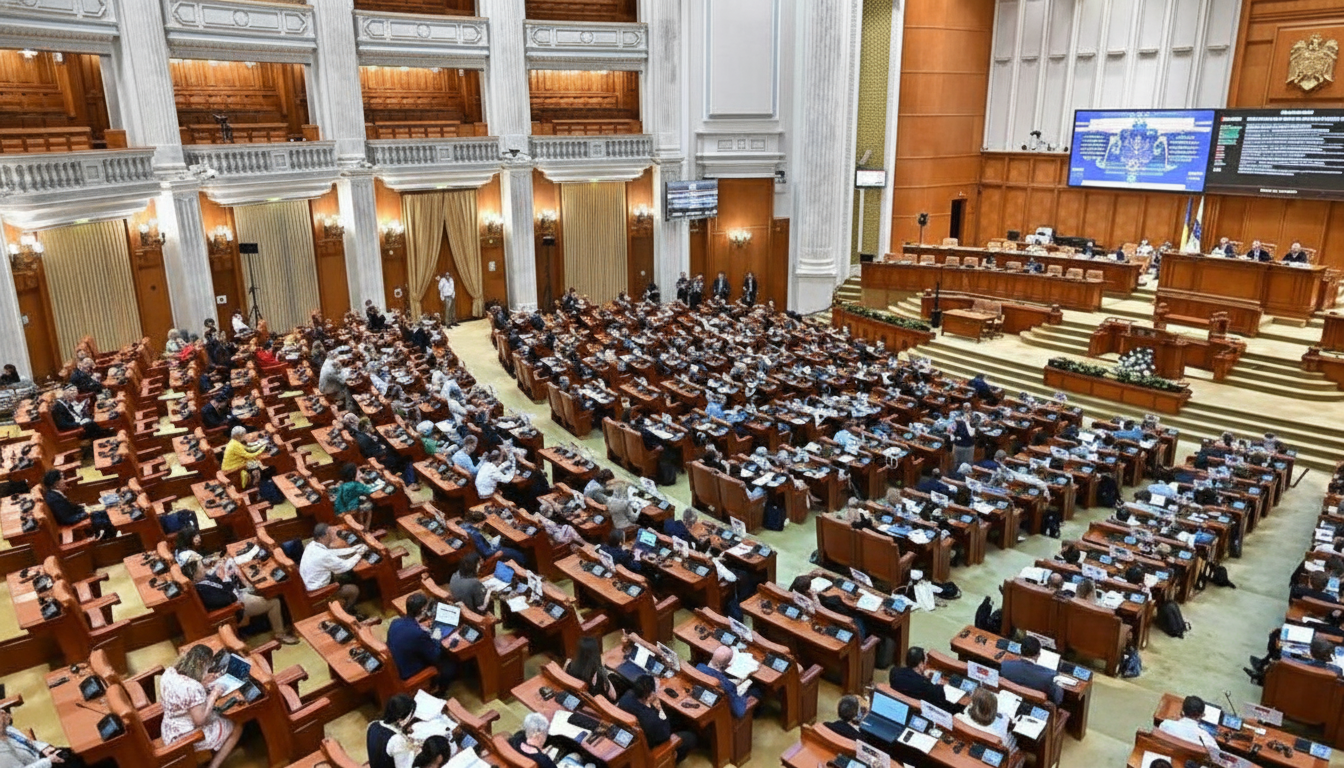
According to Espreso.tv: Germany's Bundestag has passed a bill granting the federal police expanded powers to neutralize drones and deploy drones for surveillance. The legislation was backed by the Union parties (CDU/CSU) and the Social Democratic Party (SPD), while the Left Party and the Greens voted against it. The Alternative for Germany (AfD) abstained from voting. The bill will now proceed to the Bundesrat for consideration after the summer recess.
Key Innovations in the Bill
The centerpiece of this legislation is the federal police's new authority to independently neutralize drones—marking the most significant expansion of police powers since 1994. Officers will be able to use real-time facial recognition technology when there is a threat to life or state security. Specifically, artificial intelligence will analyze video footage to detect suspicious movements by individuals.
Additionally, the process for authorizing wiretaps in cases linked to extremism and human smuggling has been streamlined. The police will also gain the right to independently file requests for deportation detention.
Previous attempts to reform the federal police law failed, notably under Angela Merkel's government in 2021. Meanwhile, drones have been systematically spotted over NATO territory since autumn 2025. On the night of September 10, 2025, around 20 Russian unmanned aerial vehicles entered Polish airspace—the first instance where drones over NATO territory were shot down under the Alliance's auspices. In May 2025, a Geran-2 drone crashed and exploded in Galați, Romania, injuring two people. According to reports, NATO 'missed' at least 144 cases of Russian drone espionage targeting nuclear facilities.
Expert opinions on the new police powers are divided. Christopher Dressler remarked:
“Multicultural societies are multi-criminal societies” - Christopher Dressler
In contrast, Clara Bünger expressed concerns that “total surveillance could become the new normal.” Irene Mihalic highlighted “legal doubts about biometric surveillance.” These comments underscore the complexity and contentious nature of the new police powers in Germany.
The passage of this bill in Germany reflects growing security concerns in light of current threats, particularly from drones. Given the numerous drone incidents across Europe, these new police powers could become a critical tool for addressing potential risks. However, debates over the ethical and legal implications of using such technologies emphasize the need for a balanced approach to their implementation, to avoid infringing on human rights and citizens' privacy.
Read also
- OSCE Demands Russia Immediately Withdraw Troops from Ukraine: What The Hague Declaration Contains
- US Defense Firms Eye Patriot Missile Production in Ukraine, Says McCaul
- Ukrainian Armor Fires Back at SBU Over Grenade Launcher Quality Claims
- China Steps Up Diplomacy as Russia Lacks an Exit Strategy from the War
- Putin Has Lost All His Leverage: Ex-Israeli Ambassador Explains Why the Kremlin’s Strategy Has Failed
- Ukraine Warns of New Russian Mobilization as Kremlin Shifts to 'Full-Scale War' Language