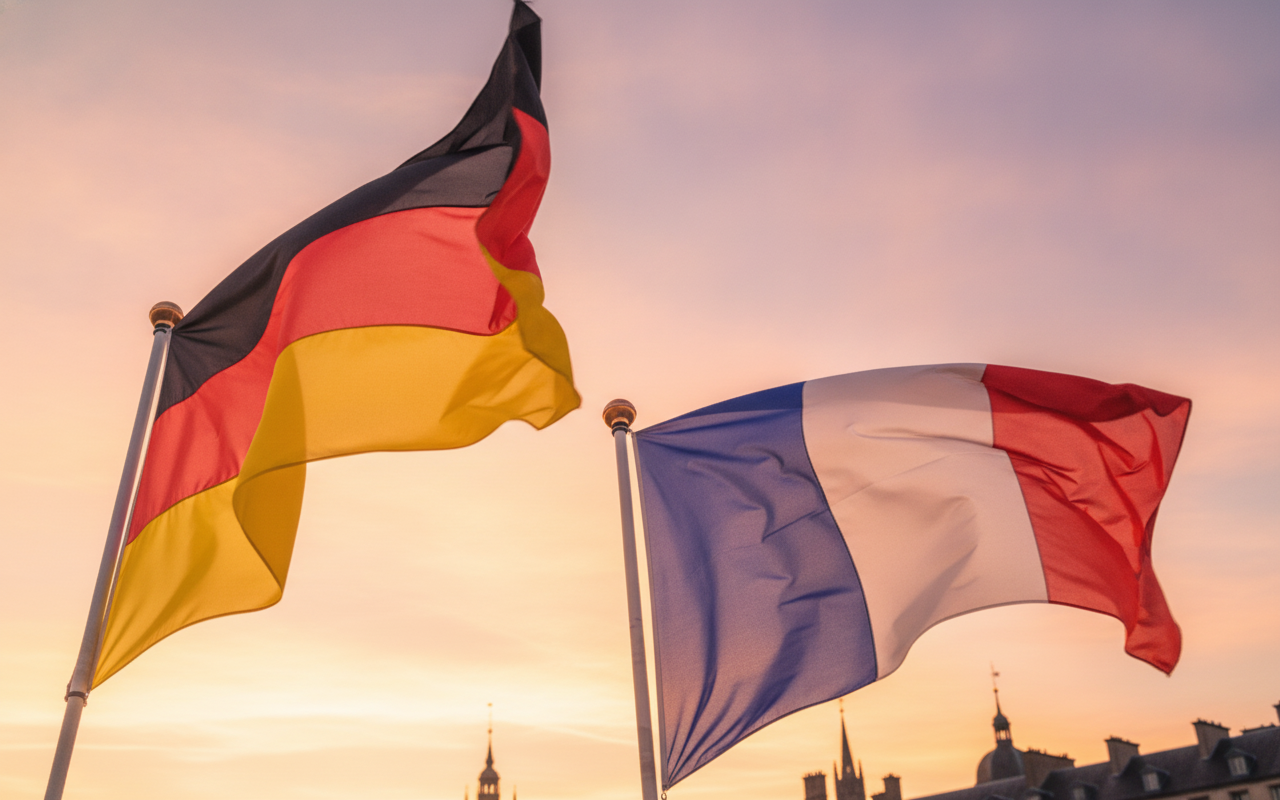
Germany and France at an Impasse: €100 Billion Joint Fighter Project Faces Collapse.

Military Project Under Discussion
According to Espreso.tv: At an EU summit in Montenegro, German Chancellor Friedrich Merz and French President Emmanuel Macron reviewed a troubled military initiative and concluded that there is no viable path forward from the current deadlock. Launched in 2017 alongside former Chancellor Angela Merkel, the project aims to jointly develop cutting-edge military technologies and systems.
Valued at €100 billion, the initiative also involves Spain. Over recent months, Macron and Merz have tried to salvage the effort, but without success. Key industrial players include Airbus and Dassault, both of which bring extensive experience in aviation and defense technology.
Complexity and Future Outlook
Friedrich Merz stated his position on the project clearly:
“Germany does not need a fighter jet capable of carrying nuclear weapons or landing on an aircraft carrier.” - Friedrich Merz
This remark highlights the project's complexity and ambiguity, as it appears misaligned with Germany's current defense needs. Consequently, the future of this joint initiative remains uncertain, and the participating nations may face new challenges in the military domain.
Abandoning further support for the project could signal a shift in Germany and France's strategic priorities in response to modern security threats. Given rising risks from other nations, particularly Russia, it is crucial for European states to adapt their military programs to evolving realities—potentially by focusing on more relevant and effective defense solutions.
Read also
- Ukraine Moves to form Anti-Chauvinist Coalition as Polish Nationalism Surges
- Kyiv Orders Pochayiv Lavra to Sever Ties with Russian Orthodox Church and Withdraw from Moscow-Affiliated Metropolis
- Knife-Wielding Man Interrupts Lviv Protest Rally for Dismissed Defense Minister Fedorov
- Emergency UN Security Council Session Called Over Russian Black Sea Threats; 170 Civilians Killed
- Zelenskyy Reveals Results of Drone Strikes on Russia: Ukrainian UAVs Reach 3,000 km
- OSCE Condemns Sixth Strike on Bilopilshchyna Media Office, Leaving Woman Journalist Wounded