Germany and Poland Ink Defense Pact Amid Rising Hybrid Threats.

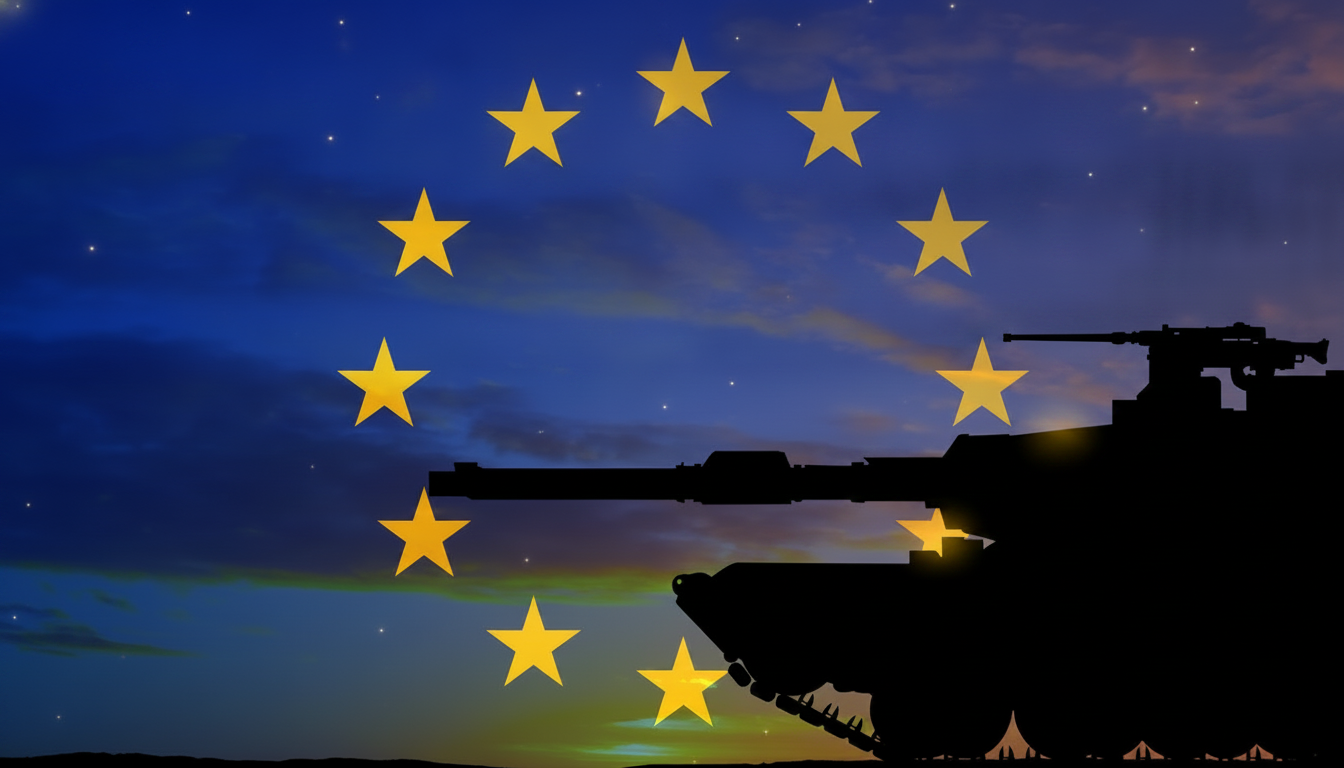
Germany-Poland Defense Cooperation
According to UATV: On June 15, Germany and Poland signed a defense cooperation agreement, coinciding with heightened international scrutiny of the English Channel following incidents involving Russian vessels. These developments unfold alongside new sanctions against Russia and legislative discussions in Lithuania regarding military force. Specifically, Lithuania has initiated debate on a bill addressing compensation for damages resulting from the lawful use of military force, and has also finalized a partnership with the United States on unmanned aerial vehicle technology.
Escalating Regional Tensions
On June 14, British authorities detained a vessel linked to Russia's shadow fleet. This action occurred amid growing regional tensions fueled by an uptick in military activities. That same day, the frigate 'Admiral Grigorovich' opened fire in the English Channel toward a British yacht, sparking further concern within the international community.
NATO Secretary General Mark Rutte stressed the critical need for funding collective security in Europe, emphasizing that nations must prepare for emerging security challenges. In Germany, Bundeswehr representative Colonel Senke Mararens highlighted intensified efforts to counter hybrid attacks as a response to contemporary threats.
“Nervousness and anxiety are tied to geopolitical uncertainty and tensions surrounding everything related to Russia,” — Paul McNamara
Meanwhile, Lithuanian military expert Vitalija Zumerene noted that “U.S.-Lithuania cooperation in new defense technologies strengthens the overall deterrence posture,” underscoring the role of international collaboration in safeguarding security.
These events underscore escalating tensions across Europe and the urgent need for effective cross-border cooperation to counter potential threats. The defense partnership between Germany and Poland, along with fresh initiatives from Lithuania and the United States, could prove pivotal in maintaining regional stability. Notably, the surge in military actions and new legislative efforts in Lithuania signal readiness among regional states to address challenges stemming from the geopolitical landscape. This highlights the importance of collective action in ensuring security amid growing tensions surrounding Russia.
Read also
- NATO Brands Russia the Primary Threat as AI-Powered MSS Platform Revolutionizes Military Command
- Zelenskyy Holds Over 20 Talks in Ankara, Secures €70 Billion NATO Commitment
- NATO Summit in Ankara: Rutte and Trump Address Russian Threats and Air Defense for Ukraine
- Sweden Pledges 32 Gripen Jets to Ukraine at Ankara NATO Summit
- NATO Summit: Zelenskyy to Meet Trump as Canada and South Korea Pledge Billions
- NATO Reaffirms Long-Term Support for Ukraine: Key Outcomes from the Ankara Summit