Germany's Military to Maintain a Decades-Long NATO Presence in Lithuania.

Germany's Long-Term Military Commitment in Lithuania
According to UATV: As part of a key NATO strategy, Germany is prepared to station its military forces in Lithuania for decades to come. This long-term deployment is a direct response to heightened security concerns in the Baltic region following Russia's aggression in Ukraine. The core of this force will be the Bundeswehr's 45th Brigade from the 10th Panzer Division, comprising 4,800 military personnel and 200 civilian staff. Starting in 2027, this brigade will serve as a central deterrent against potential Russian threats on NATO's Baltic flank.
US Financial Backing and Regional Tensions
Security for the Baltic states is further reinforced by substantial US support. In 2026, the US Congress is set to allocate $200 million specifically to bolster the defensive capabilities of Lithuania, Latvia, and Estonia. A portion of this funding, $10 million, is earmarked for Estonia to acquire advanced weaponry like HIMARS systems, Javelin missiles, and artillery shells. This financial commitment underscores a broader international resolve to defend the alliance's eastern frontier.
Regional tensions have been escalating since early 2023, with Poland reporting sightings of unidentified aerial objects and Russian intelligence satellites maneuvering alarmingly close to European spacecraft in orbit. These incidents reflect a pattern of hybrid threats that extend beyond conventional warfare. Public concern is significant, with polls indicating 72% of Europeans are worried about conflicts erupting on the EU's borders.
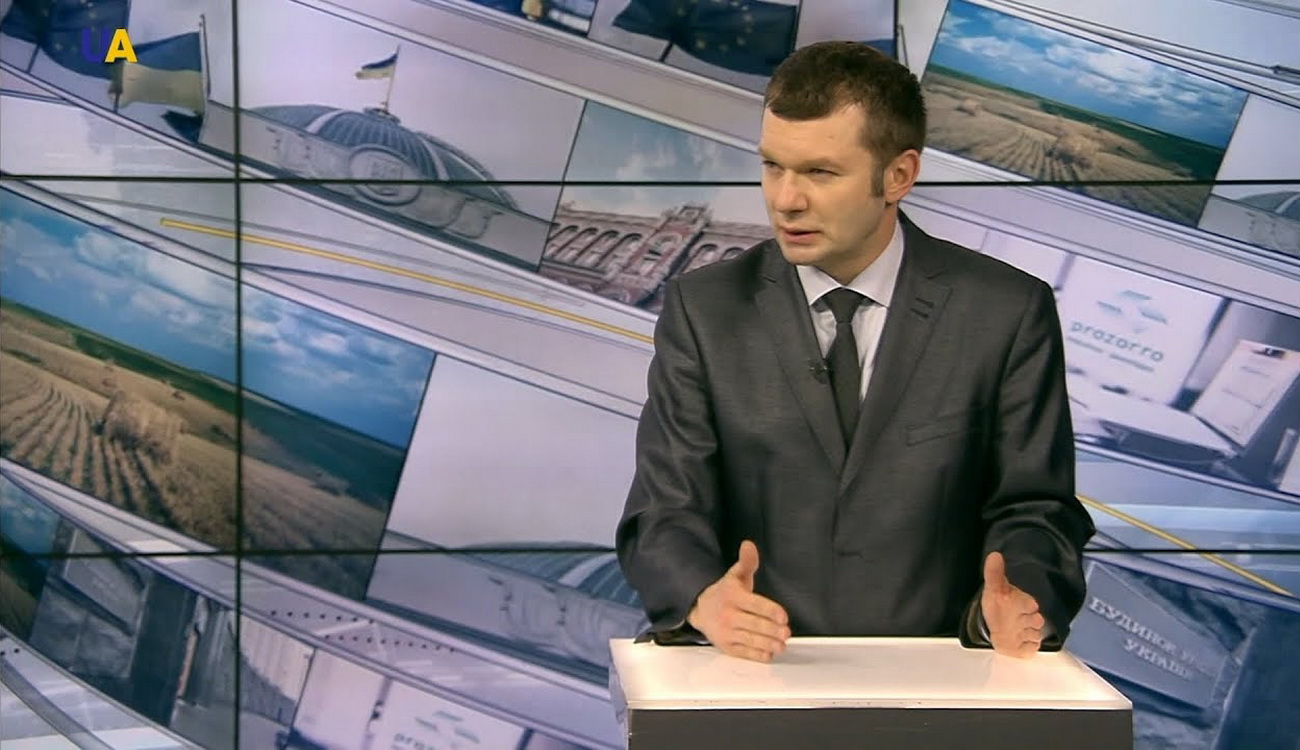
Security analysts emphasize the urgent need for countermeasures. Kęstutis Budrys noted that Lithuania and its neighbors are gaining valuable experience in countering Russian tactics. Roxana Mynzat highlighted the growing threat drones pose to critical EU infrastructure and internal security. Michael Traut added that two Russian satellites, 'Luch-1' and 'Luch-2', are suspected of conducting signals intelligence, pointing to an intensification of Russian military activity in the region.
Kęstutis Budrys: 'Lithuania and its neighbors are accumulating experience in countering Russian tactics.'
In conclusion, the enduring German military presence in Lithuania, combined with steadfast US financial support, forms a critical bulwark against Russian aggression and is vital for Baltic security. These developments in the Baltic region highlight the growing strain caused by Russia's assertive policies, which are compelling NATO members to significantly ramp up their collective defense efforts. The long-term stationing of German troops and substantial American aid underscore the indispensable role of international cooperation in deterring potential threats. Together, these measures are pivotal elements in preventing conflict escalation and maintaining stability across Europe.
Read also
- EU Adopts 21st Sanctions Package Against Russia: What It Means for Oil and Banking
- Zelensky Warns of Black Sea Grain Corridor Blockade as Ukraine Calls UN Security Council Meeting
- EU sanctions on Russia slow down as member states prioritize economic interests
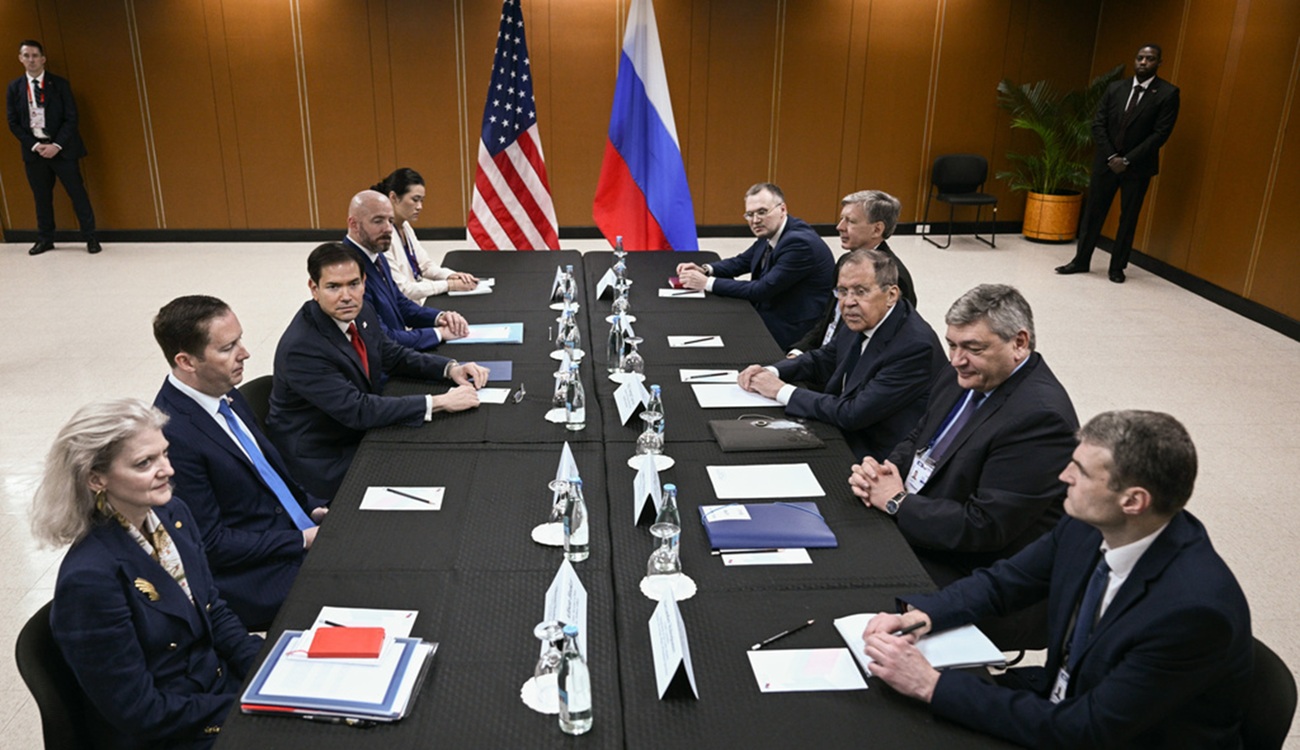
- A 35-Minute Manila Meeting Between Rubio and Lavrov Puts Ukraine War at the Center of Talks
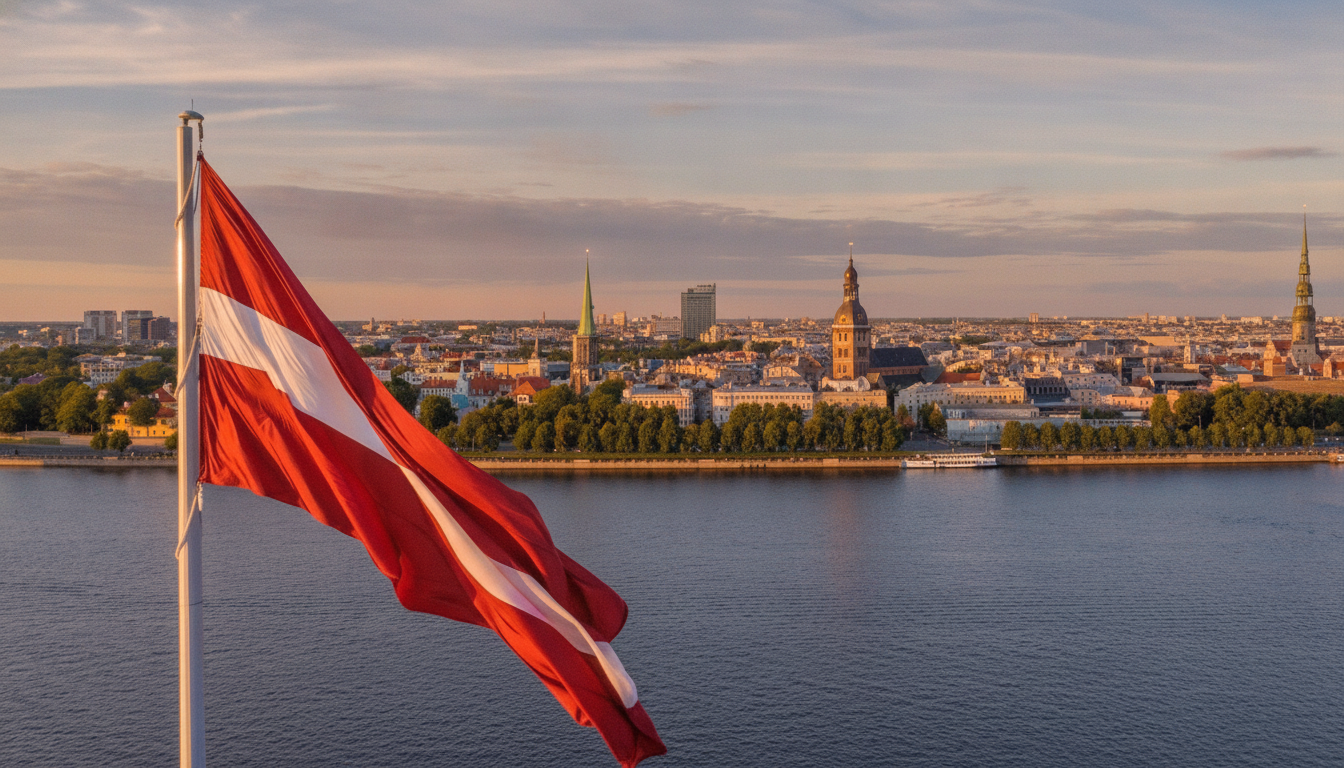
- Latvia Moves to Ban Imports from Russia and Belarus: Here's What Will Be Blocked
- Poland Faces Thousands of Daily Cyberattacks from Russia, Deputy PM Calls It Hybrid Warfare