New Zealand Declines to Join Trump's 'Peace Council,' Citing Concerns Over Format and Value.

New Zealand Opts Out of Proposed Peace Council
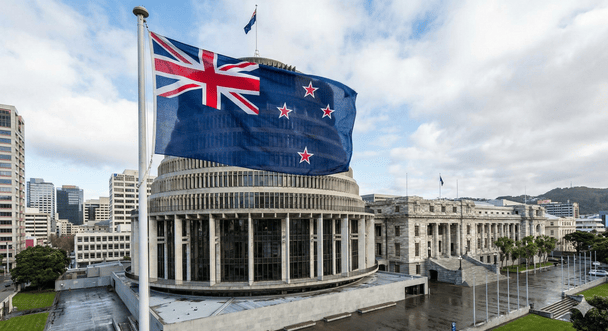
According to TSN.ua: On January 30, New Zealand's Prime Minister Christopher Luxon announced the government's decision not to join a 'Peace Council' proposed by former U.S. President Donald Trump. The refusal was based on the country's unwillingness to participate in the organization under its current proposed structure.
Rationale and Potential Consequences
Foreign Minister Winston Peters elaborated on the stance, stating that New Zealand did not believe it would bring significant additional value to the initiative. He was quoted as saying,
"New Zealand would not add significant additional value to this"(Winston Peters). Peters also stressed the importance of the council's work being complementary and consistent with the United Nations Charter.
The council, a Trump-era initiative, would require participating nations to contribute $1 billion to a special reconstruction fund. This substantial financial commitment has sparked debate among potential member states. New Zealand's decision highlights a cautious approach to international coalitions, particularly those operating outside established UN frameworks. The refusal may signal broader divisions in approaches to international diplomacy and underscore the necessity of considering regional perspectives in global initiatives.
New Zealand's position emphasizes the need for international efforts to align with UN principles and the practical needs of participating nations. Its decision could influence ongoing negotiations concerning international peace and reconstruction efforts in regions like Gaza, which is a primary focus of the proposed council. It demonstrates that not all Western-aligned nations are prepared to support initiatives that they perceive as misaligned with their national interests or international obligations.
Read also
- Ukraine Pours $50 Billion Annually into Weapons, Developing New Air Defense System with NATO
- Zelensky Signals Readiness for Direct Talks with Putin
- EU Prepares Sanctions Targeting Chinese Firms Over Military Support to Russia
- Ukraine's Parliament Weighs New Penalties and Restrictions for Draft Evaders
- Zelensky Signals Readiness for Direct Talks with Putin
- Budanov on Leading the Presidential Office: Intelligence Experience Proves Key to Government Coordination