Ukraine's Updated Mobilization Exemptions for Farmers: Stricter Rules Take Effect.

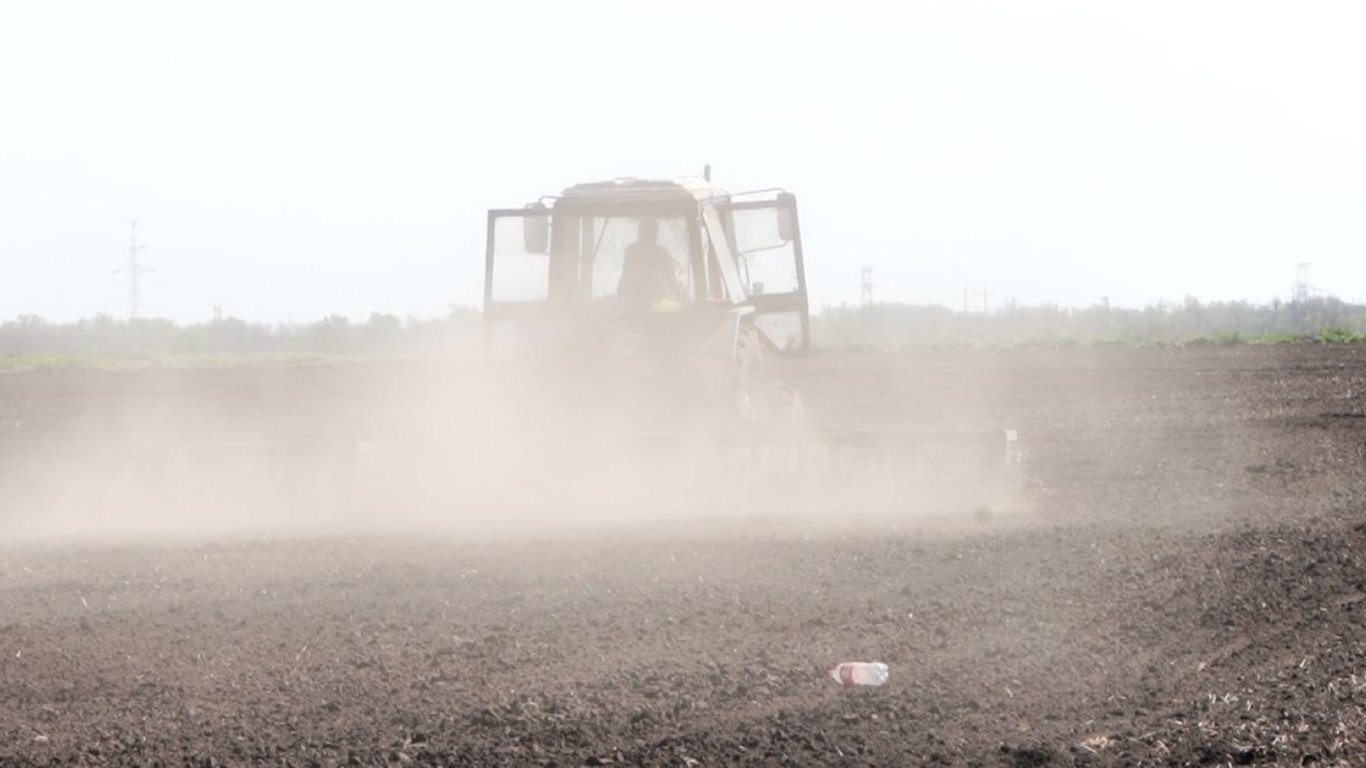
Revised Mobilization Exemption Rules for Ukraine's Agricultural Sector
According to Novyny.live: Farmers in Ukraine's Odesa region are now subject to updated rules for reserving employees from military mobilization, as revised by the Ministry of Economy, Environment, and Agriculture. These changes, now in force, could significantly impact the operations of the region's agricultural enterprises. This policy shift occurs as Ukraine balances its defense needs with maintaining critical food production.
In late 2025, the state revised the criteria for designating enterprises as critically important. Specifically, the Ministry of Economy, Environment, and Agriculture updated the reservation criteria via Order No. 3650. The changes affect both the area of cultivated land and financial requirements:
- The minimum area of cultivated land has been increased from 500 to 1,000 hectares.
- A separate norm has been introduced for orchards and vineyards—at least 50 hectares of perennial plantings.
Furthermore, the requirements for the minimum annual income to attain critically important enterprise status have risen to 40 million hryvnias, up from the previous 20 million. A significant change is the cancellation of the exemption criterion based on paying personal income tax (PIT) of at least 324,000 hryvnias per quarter. Starting in 2026, the requirements for the average employee salary have also increased—to 21,617.50 hryvnias. Consequently, agricultural enterprises in the Odesa region will be required to submit data on the number of employees eligible for military service, placing an additional administrative burden on them.
Impact of the Changes on Agribusiness
These new reservation rules could substantially alter the conditions for conducting agribusiness in the Odesa region, demanding that enterprises adapt to the new criteria and improve their efficiency.
The rule changes may lead to significant transformations in the agricultural sector, as the new requirements could prove unattainable for some small and medium-sized enterprises. Farmers who cannot meet the new criteria risk losing their status as critically important enterprises, which could negatively affect their operations. In light of this, agribusinesses in the Odesa region should consider opportunities for process optimization and financial management to comply with the new conditions and maintain their competitiveness.
Read also
- Russia Sets Record in Gold Sell-Off: What It Signals for the Economy
- Putin’s Economic Claims Exposed as Manipulation by Ukraine’s Disinformation Center
- Rheinmetall to Double Gunpowder Output: What This Means for Ukraine
- Azerbaijan Steps Up as Europe's Energy Alternative: Gas Deliveries to Germany Already Underway
- IMF Demands Utility Rate Hikes as Naftogaz Debt Surges 63%
- 12 Red Flags for Shell Companies Identified by Ukraine's Central Bank: Banks Ordered to Scrutinize Importers