EU Oil Embargo Tightens the Screws: How New Sanctions Could Force Russia to Seek an End to the War.

EU Oil Embargo Tightens the Screws: How New Sanctions Could Force Russia to Seek an End to the War
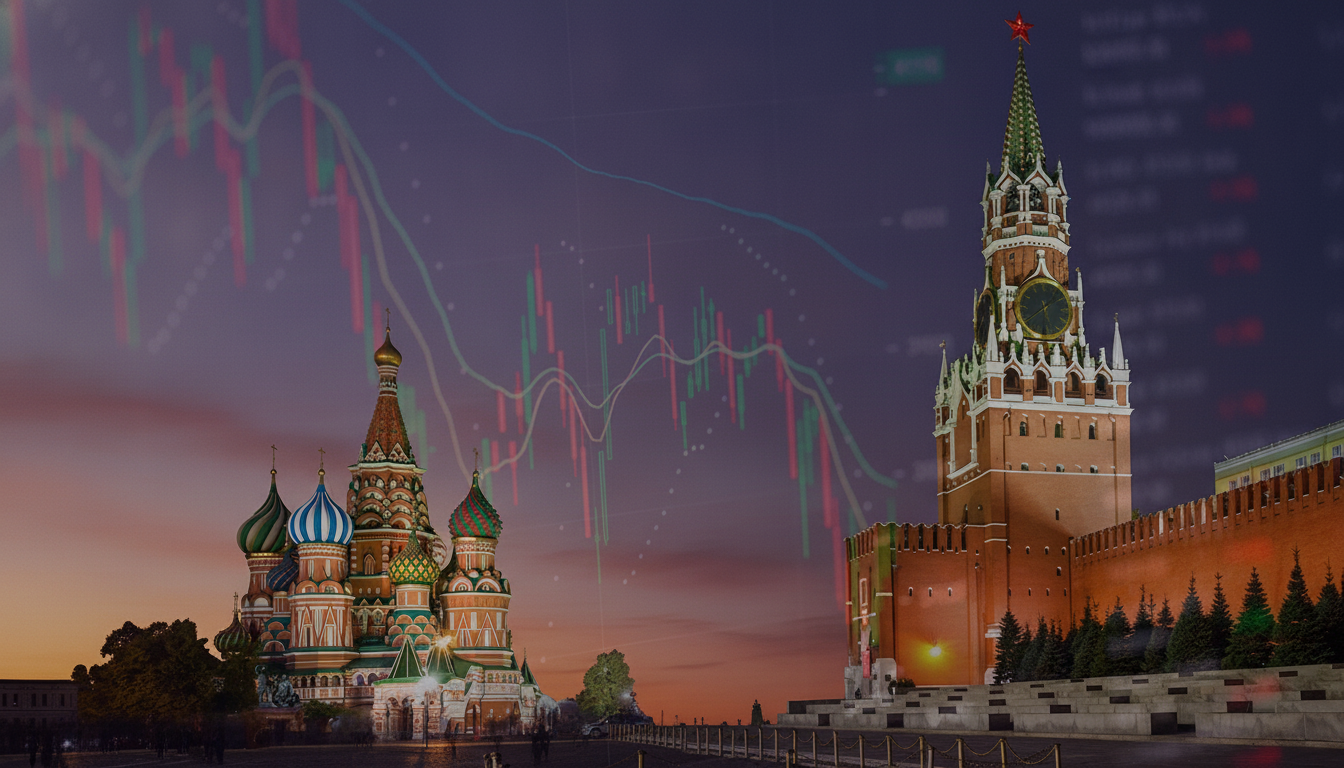
According to UATV: The European Union is considering a full embargo on the maritime transport of Russian oil and coal, a move that could severely strain Russia's economy. With oil and gas export revenues projected to fall by 20-24% in 2025, the Kremlin may be compelled to find a way to end its war against Ukraine. This pressure comes as Russia's energy sector, a critical lifeline, currently accounts for only about 20% of federal budget revenues, setting the stage for significant financial hardship. These measures represent a concerted Western effort to degrade the funding for Russia's military machine.
The EU's 20th sanctions package is slated for adoption by February 24th, the anniversary of Russia's invasion of Ukraine. Fourteen EU member states have already warned tankers in Russia's shadow fleet that they risk being treated as stateless vessels. Such actions could severely complicate Russian oil shipments, a step that Estonian Prime Minister Kaja Kallas describes as crucial for limiting the Kremlin's war chest.
"This is an important step for limiting the financial resources that the Kremlin uses to wage war." - Kaja Kallas
A further ban on purchasing oil products refined from Russian crude in third countries will take effect on January 21, 2026. These measures are expected to compound economic pressure on Russia, especially given that the global oil market is already oversupplied by more than 2 million barrels per day. The outlook for the coming years remains bleak for the Russian economy, a point underscored by experts and politicians, including Ukrainian President Volodymyr Zelenskyy, who has noted that Russia is already facing serious federal budget problems.
The Economic Impact of New Sanctions on Russia
Consequently, the new EU sanctions could become a pivotal factor in altering Russia's economic situation and influencing its military aggression. Among the experts analyzing this development are:
- Gennady Ryabtsev
- Ilya Neskhodovsky
- Igor Burakovsky
The implementation of these sanctions could significantly shift the regional balance of power, as a reduction in Russia's economic capacity may lead to a scaling back of its military ambitions. This, in turn, could create new opportunities for peace negotiations and stabilization in Ukraine. Observers note that sustained pressure from Western nations could prove decisive in future talks aimed at ending the conflict.
Read also
- Russia Sets Record in Gold Sell-Off: What It Signals for the Economy
- Putin’s Economic Claims Exposed as Manipulation by Ukraine’s Disinformation Center
- Rheinmetall to Double Gunpowder Output: What This Means for Ukraine
- Azerbaijan Steps Up as Europe's Energy Alternative: Gas Deliveries to Germany Already Underway
- IMF Demands Utility Rate Hikes as Naftogaz Debt Surges 63%
- 12 Red Flags for Shell Companies Identified by Ukraine's Central Bank: Banks Ordered to Scrutinize Importers