Ukraine's New Electricity Pricing Structure: What Households Will Pay Starting in 2026.

Revised Electricity Tariffs for Ukraine
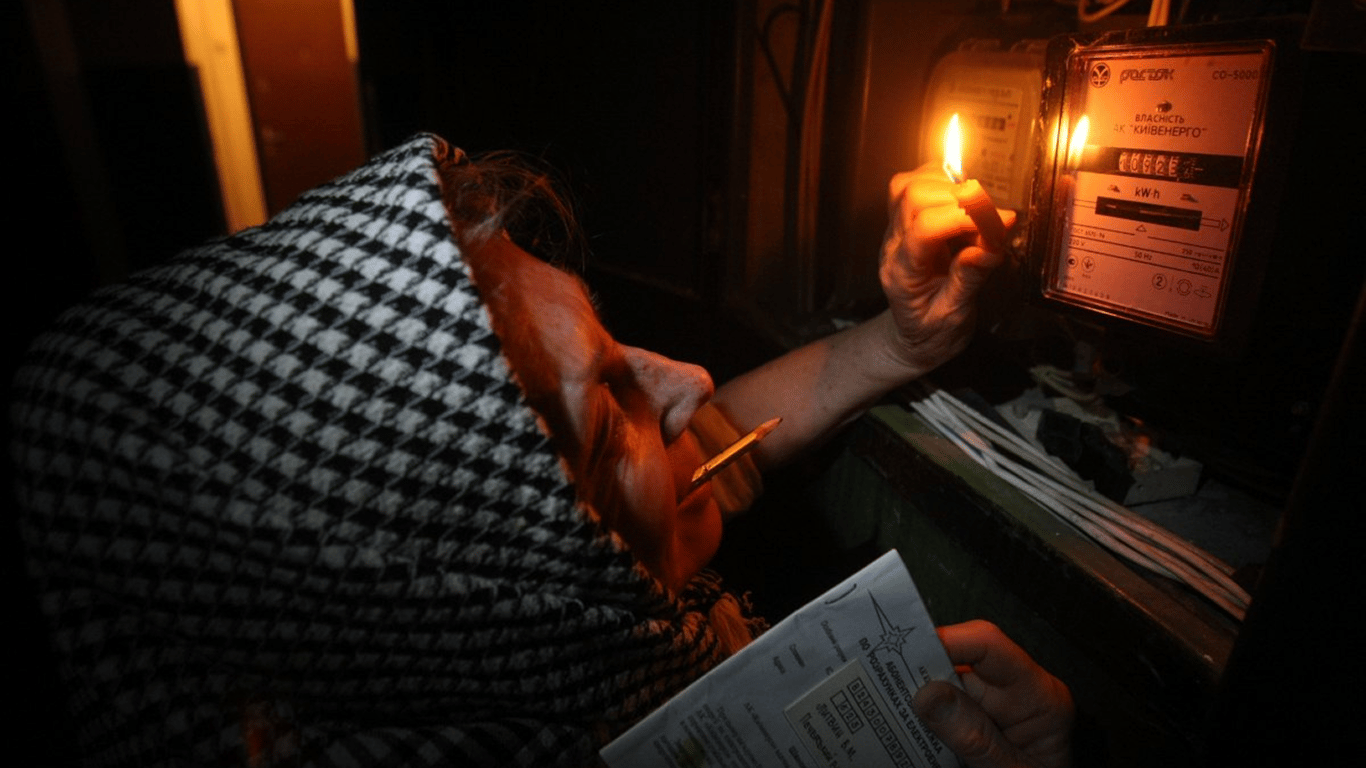
According to Novyny.live: Starting in the spring of 2026, a new electricity tariff system will take effect in Ukraine, setting the base rate for household consumers at 4.32 UAH per 1 kWh. This reform, established by Cabinet of Ministers Resolution No. 632 dated May 31, 2024, introduces variable pricing based on the season and the volume of electricity used. This move is part of broader efforts to modernize the country's energy market and encourage efficient consumption.
From June 1 to September 30, 2026, the rate will be a flat 4.32 UAH per kWh, regardless of usage. During the autumn-winter period, from October 1 to April 30, the tariff will depend on consumption volume:
- Households using up to 2000 kWh per month will pay a reduced rate of 2.64 UAH per kWh.
- For any consumption exceeding this limit, the standard rate of 4.32 UAH per kWh will apply.
Cost-Saving Options with Time-of-Use Tariffs
To further help manage costs, two-tier and three-tier time-of-use tariffs are being introduced. Under the two-zone tariff, the daytime period (7:00 to 23:00) costs 4.32 UAH per kWh, while the nighttime period (23:00 to 7:00) is cheaper at 2.16 UAH per kWh. The three-zone tariff offers more granular options:
- Peak hours (8:00-11:00 and 20:00-22:00) will cost 6.48 UAH per kWh.
- The semi-peak rate is 4.32 UAH per kWh.
- Nighttime hours are priced at 1.73 UAH per kWh.
These new rules apply to a wide range of consumers, including:
- Dacha (country house) owners;
- Residents of dormitories;
- Members of gardening associations;
- Owners of private houses;
- Members of garage cooperatives;
- Residents of apartment buildings.
To reduce electricity expenses in 2026, consumers are advised to install a two-zone or three-zone meter and shift more energy-intensive activities to nighttime hours.
The introduction of this new tariff structure reflects the government's aim to optimize energy costs for consumers and promote the rational use of electricity. By incentivizing a change in consumption habits through seasonal and time-based pricing, the system is designed to reduce strain on the power grid, especially during peak demand. These changes are expected to significantly impact household budgets, making it crucial for consumers to understand the new opportunities for savings.
Read also
- Russia Sets Record in Gold Sell-Off: What It Signals for the Economy
- Putin’s Economic Claims Exposed as Manipulation by Ukraine’s Disinformation Center
- Rheinmetall to Double Gunpowder Output: What This Means for Ukraine
- Azerbaijan Steps Up as Europe's Energy Alternative: Gas Deliveries to Germany Already Underway
- IMF Demands Utility Rate Hikes as Naftogaz Debt Surges 63%
- 12 Red Flags for Shell Companies Identified by Ukraine's Central Bank: Banks Ordered to Scrutinize Importers